Party Games for Kids: Fun Ideas for Every Age and Space
Practical party games for kids by age, indoors or outdoors, with simple rules, prize ideas, setup checklists, and safety tips for a fun celebration.
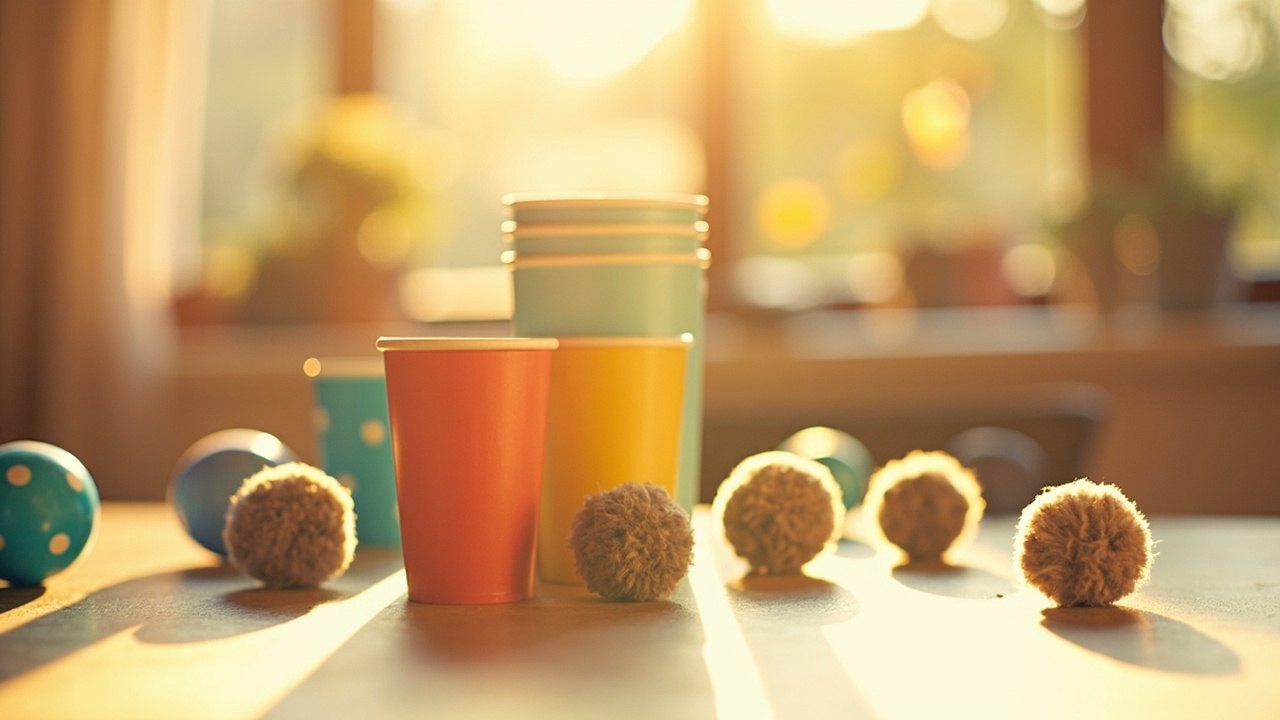
The best party games for kids are simple, flexible activities that match the children’s ages, the available space, and the group’s energy, while giving everyone frequent turns to participate and plenty of chances to laugh. Choose a few, explain the rules briefly, and let the fun lead.
The short version
- Offer two high-energy games, one cooperative game, and one quiet option.
- Match complexity to age, but use mixed-age versions when siblings or guests differ widely.
- Keep most rounds under five minutes and explain rules with one short demonstration.
- Choose inexpensive prizes, supervise closely, and keep the emphasis on participation.
What are the best party games for kids?
The strongest party games for kids are easy to learn, finish without long waits, and work for a small group or a crowded room. A good mix includes movement, concentration, teamwork, and a little friendly competition, so children with different interests can all find something enjoyable.
For younger children, about ages 4 to 6
Young children usually benefit from games with one obvious goal and a clear end. Musical freeze,Simon Says, animal walks, and a simple treasure hunt work well because they require little reading. Use large soft objects, short instructions, and lots of encouragement. Let children pass instead of losing when a rule feels confusing.
For school-age children, about ages 7 to 9
School-age players can usually handle more specific rules and mild competition. Obstacle relays, scavenger hunts, charades, bowling with soft bottles, and team trivia all fit this stage. Offer easy and harder versions of each game so a confident child does not dominate.
For tweens and teens, about ages 10 and older
Older children often prefer games with strategy, humor, or a little suspense. Try two-minute team challenges, drawing-based guessing games, trivia, or a family-friendly murder mystery. Avoid making every activity feel like a test. A light theme and silly prompts often work better than complicated scoring.
When ages are mixed
Create teams with children of different ages, let younger players handle simple tasks, and give older players slightly more complex jobs. Cooperative challenges are especially useful here because one child cannot win alone. If possible, hold a separate short round for very young guests who may need more attention.
How long should each party game last?
Most party games for kids should last about five to ten minutes, with the shortest games first and the most energetic rounds saved for later. Keep the pace moving rather than stretching one activity until attention fades.
- Choose three or four games. More options create a backlog and can make the celebration feel unfinished.
- Explain one rule at a time. Demonstrate briefly, invite questions, and start with an easy round.
- Set a visible timer. A countdown prevents arguments over scoring and keeps children focused.
- Plan a flexible finish. If a game ends early, award a quick group cheer instead of stretching it.
A simple schedule might include a five-minute warm-up, two ten-minute games, a snack break, and a final team challenge. Children who lose interest usually need a change of activity, not a longer explanation.
What do you need to set up party games for kids?
You need very little equipment for most games, but every activity should have a clear start and stop, a safe play area, and enough materials for each team to participate. Gather supplies before guests arrive and place them away from walkways.
| Game type | Useful supplies | Simple setup |
|---|---|---|
| Movement | Soft balls, cones, scarves | Clear a central area |
| Hunt | List, paper, small prizes | Choose safe hiding places |
| Team challenge | Paper, pens, buckets | Make equal teams |
| Quiet game | Cards, drawing paper | Set tables in a side area |
| Closing game | Tickets, numbered slips | Prepare prizes in advance |
Prepare backup supplies, especially paper, pencils, and prizes. Label team materials so children do not handle everything at once. Have a first-aid kit nearby, identify an adult responsible for supervision, and remove choking hazards for children who could put small objects in their mouths.
Which indoor party games work for any age?
The best indoor party games for kids need little space, create minimal mess, and allow children to stand, sit, or move as needed. Choose an open area for active rounds and a table for quieter ones.
- Balloon keep-up: Count how many times children can hit a balloon into the air before it touches the floor. Try a target number together, making it a cooperative challenge.
- Human musical chairs: Children walk or dance around chairs, but no child is eliminated. Remove one chair each round so everyone remains involved.
- Living room bowling: Use soft bottles as pins and a soft ball to roll. Award points for knocking down bottles, or let teams design a target area.
- Find the toy: Hide a small, safe object while children leave the room. Give increasingly specific hints rather than making the search frustrating.
- Story completion: Read a funny beginning and let each child add one sentence. Record the final story if the children enjoy hearing it played back.
- Draw and guess: One player sketches a familiar object while the others guess. Keep the paper clean and place it on a table away from food.
Make transitions easy
Explain that the last round of one game earns a prize or selects the next activity. This prevents children from crowding around the game area. You can also number cards to choose the first team, removing any sense that one child controls the entire party.
What are good outdoor party games for kids?
Outdoor party games for kids can use more space and involve running, water, or targets, but the same age and inclusion principles apply. Check the surface, mark boundaries, provide water and shade, and bring an indoor alternative in case the weather changes.
- Sponge relay: Children pass a wet sponge between two buckets. Use lightweight sponges and protect the ground with a tarp or towels.
- Beanbag toss: Mark several targets with hoops or chalk and give each child several soft beanbags. Award style points for creative throws if you want to reduce the emphasis on accuracy.
- Scavenger hunt: Search for colors, shapes, objects, or clues around a safe area. Keep the list visual for younger children and stay within clearly defined boundaries.
- Follow-the-leader: Let one child lead with walking, hopping, spinning, or silly poses. Change leaders often and keep the route away from roads, pools, and steep slopes.
- Backyard Olympics: Combine a standing long jump, balance walk, and target toss. Use individual practice and encouragement rather than intense judging.
Apply sunscreen, remind children to drink water, and schedule a break before everyone becomes overheated. Never use real water balloons; they leave debris and can slip on the ground. If any game involves throwing, keep spectators well behind the throwers.
How do you choose prizes for party games?
Choose prizes that are inexpensive, easy to distribute, and suitable for the children attending. Participation prizes often feel better than elaborate rewards because they keep attention on trying the game rather than winning it.
- Give everyone a small prize. Sticker sheets, crayons, bubbles, badges, or a simple treat can reward participation.
- Add team rewards. Let the winning team choose between dessert, a song, or the first turn at the next game.
- Use achievement prizes. Give awards for best teamwork, most creative move, best sportsmanship, or funniest guess.
- Offer choice when practical. A small selection of prizes lets children choose something they will actually use.
Prepare prizes before the party and keep extra ones for an unexpected team or tie. Avoid prizes with small detachable parts for young children. If you are giving edible treats, check the guest list for allergies and offer a clearly labeled alternative.
Common mistakes to avoid
- Planning too many games. Three or four well-run activities are usually more satisfying than a long sequence nobody finishes.
- Explaining complicated rules. If adults need a full explanation, children probably need a simpler version.
- Having no quiet option. Offer drawing, puzzles, or storytelling for children who need a break from noise and running.
- Eliminating children. Use team scores, participation goals, or consolation choices so everyone gets a turn.
- Ignoring weather or surfaces. Move indoors, shorten the game, or switch to a seated challenge if conditions change.
- Letting adults take over. Explain the rules, then step back so children can make choices and laugh at their own mistakes.
Frequently asked questions
What are good party games for kids for a small group?
For a small group, choose two familiar games and one new activity so you can judge quickly what everyone enjoys. Charades, scavenger hunts, bowling with soft bottles, and cooperative challenges work well because they do not require a large crowd.
How do you keep party games for kids from becoming too competitive?
Use cooperative goals, team scores, and awards for effort or creativity rather than winning alone. Give the youngest players simple roles and let the adults model good sportsmanship by praising improvement and fair turns.
What are fun party games for kids with no supplies?
Try Simon Says, charades, follow-the-leader, living room bowling with a soft ball, or a storytelling chain. These games need little more than an open space and clear boundaries.
How many games should a kids’ party have?
Plan for three or four games, depending on the children’s ages and how long the party runs. Include an arrival activity, two main games, and either a flexible final challenge or a short prize ceremony.
Your next step is simple: pick one movement game, one team game, and one quiet game, then gather the few supplies they require. A short, well-organized lineup of party games for kids will feel more festive than a crowded schedule built around winning.