Can You Put Aluminum Foil in the Oven? A Practical Guide
Can you put aluminum foil in the oven? Learn when it is safe, what to avoid on the oven floor, and how to use foil with acidic foods.
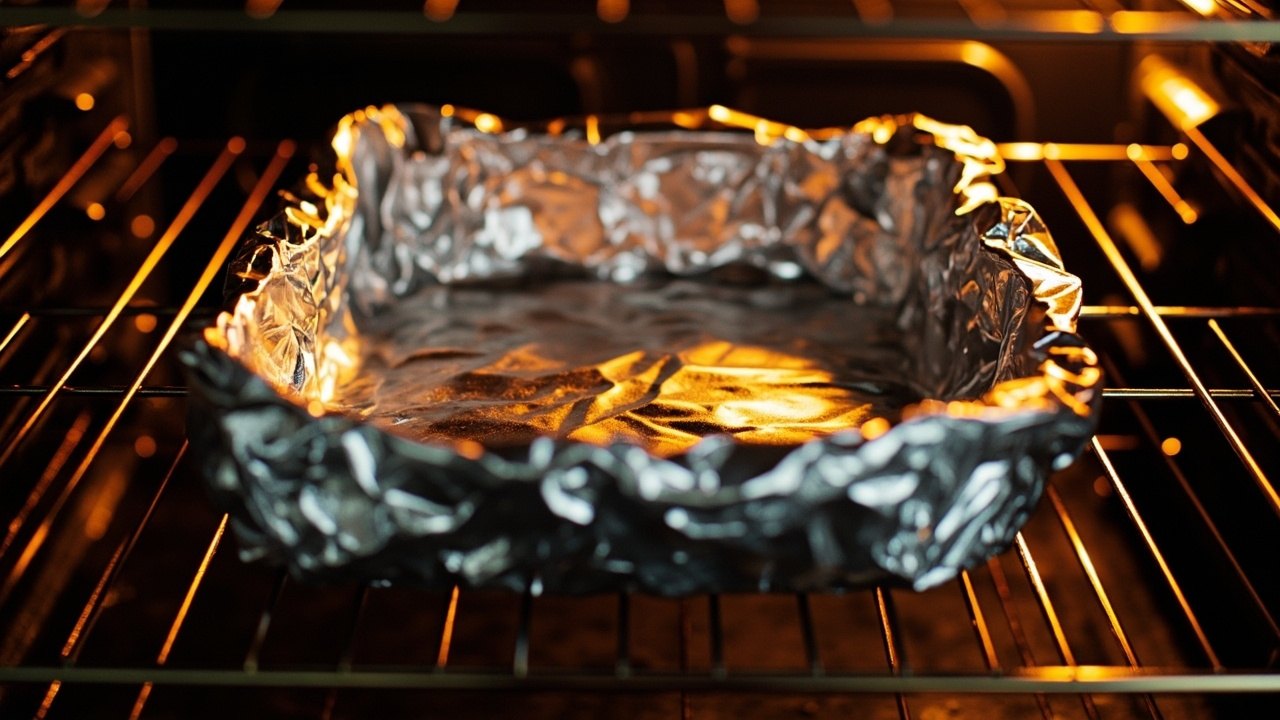
Yes—you can put aluminum foil in the oven for many cooking jobs, such as lining a baking sheet, tenting food, or covering a pan, as long as you follow the appliance manual and keep foil away from heating elements and vents. Use it carefully: never line the oven floor unless the manufacturer specifically says to do so.
The short version
- Use foil for baking sheets, pan liners, and food covers, but keep it from touching heating elements or blocking airflow.
- Do not line the oven floor unless your oven manual explicitly permits it.
- The shiny and dull sides do not have different oven-safety properties; either side can be used.
- Use extra caution with acidic foods and check the instructions for your air fryer before adding foil.
When is it safe to use aluminum foil in the oven?
Aluminum foil is generally safe in a conventional oven when it is used for its intended purpose: lining a pan, wrapping food, or creating a loose cover. It is also useful for catching drips and for protecting delicate foods from direct heat.
The important distinction is between using foil inside a pan and putting foil on the oven floor. Foil placed inside cookware stays close to the food and is designed to withstand baking temperatures. A sheet spread across the oven floor can interfere with heat circulation, block vents, or touch a heating element. That creates a different risk and is not automatically safe.
Common uses for foil
- Lining a baking sheet to make cleanup easier.
- Covering a dish loosely to retain moisture.
- Making a tent over roasted vegetables, fish, or poultry.
- Wrapping food that needs a protected cooking environment.
- Creating a temporary shield for one part of a dish when the rest needs more browning.
Use oven-safe foil and secure it so it cannot flap, curl into a heating element, or fall into a burner. A sheet should fit inside the pan or on the rack without extending beyond the oven’s interior. If the foil is loose, fold the edges inward or use a slightly smaller piece.
Can you put aluminum foil on the oven floor?
Usually, no. Do not line the oven floor with aluminum foil unless the appliance manual specifically says that it is allowed. Some ovens use a hidden heating element below the floor, and foil can block heat or come into contact with that element.
The oven floor is not the same as a baking sheet. A baking sheet sits above the floor and leaves room for hot air to move. Foil on the floor can restrict circulation, interfere with a bake or broil function, or become trapped against a hot surface. In some cases, it can also cover a vent or sensor and affect how the oven controls its temperature.
Many people ask, “Can you put aluminum foil in the oven?” The answer depends on where the foil goes. A pan liner or a fitted cover is usually fine; a full oven-floor liner is a different situation. Check the manual for your exact oven, especially if it has a visible broil element, a convection fan, or a special crisping or cleaning function.
What to do instead
- Use a baking sheet or roasting pan with a fitted rim.
- Place a sheet of foil beneath the food on a rack, leaving space around the edges.
- Use a second pan as a drip shield when you need to protect one side of a dish.
- Contact the manufacturer or a qualified appliance repair professional if the oven manual is unclear.
Never use foil on the oven floor to catch spills from a dish that may boil over. The pan can overflow onto the floor, but foil underneath it may create a hot spot or prevent the oven from working as designed. A properly sized pan, greaseproof paper, or a removable oven liner approved by the manufacturer is a better choice.
How high can you set the oven when using foil?
Use the temperature called for by the recipe or food, not a temperature selected merely because the oven is hot. Foil does not have a separate safe cooking temperature, but it can melt, stick to food, or react with certain ingredients if used incorrectly.
At ordinary baking and roasting temperatures, foil is routinely used without becoming a safety problem. The concern is contact with a heating element, exposed flame, or a hot oven wall, not simply the presence of heat. Keep foil at least a few inches from an exposed element or broiler, and never allow it to touch one.
| Use | Typical placement | Main precaution |
|---|---|---|
| Lining a baking sheet | Inside the sheet | Trim it to fit and keep it from touching the oven walls. |
| Covering a pan | Over the food, loosely secured | Leave a little space for steam to escape. |
| Tenting delicate food | Above the food | Do not let the foil touch a heating element. |
| Oven-floor lining | Across the floor | Avoid it unless the manufacturer explicitly permits it. |
| Air-fryer basket | In the basket, where allowed | Keep air vents and the heating area unobstructed. |
For roasted meat, use a food thermometer rather than appearance alone. The USDA recommends an internal temperature of 165°F for poultry, 160°F for ground beef, 145°F for fish, and 145°F for pork followed by a three-minute rest. Let the food rest as directed before cutting or serving.
Does the shiny side of aluminum foil matter in the oven?
No. The shiny-versus-dull side question is mainly about appearance and handling, not whether one side is safer or cooks differently. The two sides are produced during manufacturing, and there is no meaningful difference in oven performance between them.
Use whichever side is easier to work with. The shiny side often reflects heat and is more visible when placed on the outside of a pan; the dull side has a more matte finish. Neither side should be used on the oven floor unless the manual permits floor lining, and neither side should touch an exposed heating element.
When lining a baking sheet, place the dull side toward the food if you prefer a less reflective surface. That choice will not materially change the cooking result. If the foil has been creased, torn, or heavily damaged, replace it rather than trying to flatten it, especially near a heating element or oven wall.
Can you use aluminum foil with acidic foods?
Yes, but take care with foods that are highly acidic or salty. Aluminum can react with acidic ingredients, especially when the food is cooked hot and held in foil for a long time. The reaction is more likely when foil is in direct contact with tomato sauce, citrus, vinegar, or certain pickles.
For a short bake or roast, a foil-lined sheet or a foil cover is usually practical. For a long simmer or a dish that will sit in the oven, use a container made from stainless steel, glass, or enamel that is intended for oven use. If you want the convenience of foil, place it beneath the food rather than wrapping the acidic food tightly in it.
Foods that deserve extra caution
- Tomato sauces and tomato-based casseroles.
- Meat with a vinegar-, citrus-, or marinade-based sauce.
- Pickled or brined foods.
- Fish cooked with lemon or a strongly acidic sauce.
Do not store leftover food in aluminum foil, particularly if it is acidic. Transfer it to a refrigerator-safe container. Refrigerate cooked food within two hours, and keep most cooked leftovers in the refrigerator for three to four days before eating them. Reheat until steaming hot, using a microwave-safe container or the oven instructions appropriate for the food.
You can also limit contact by using parchment paper between the foil and the food. Parchment is suitable for many oven uses, but follow its package directions and never place it on the oven floor or against a heating element. For very acidic dishes, choosing a nonreactive pan is the simplest way to avoid the issue entirely.
Can you put aluminum foil in an air fryer?
Sometimes, yes, but an air fryer is smaller and has more limited airflow than a conventional oven. Use foil only if the manufacturer’s instructions allow it, and place it in the basket or on an approved rack. Do not put a loose sheet in the appliance or allow it to block the air vents.
The most common mistake is lining the entire air-fryer basket. A tight foil liner can prevent air from circulating around the food, reduce crispness, and leave the heating area exposed in an uneven way. If you use foil, cut it to fit the basket, leave a small opening, and keep it below the food or under it rather than creating a sealed pouch.
Air-fryer manuals differ, so read the instructions for your model. Some manufacturers permit a small foil square for a particular purpose, while others advise against foil altogether. If the manual says no, follow that instruction. Never place foil on top of the heating element, against the appliance’s fan, or in a place where it could be pulled into the mechanism.
Common mistakes to avoid
- Covering the oven floor: Use a pan liner instead unless the manufacturer explicitly allows a floor liner.
- Touching a heating element: Keep foil away from exposed elements, flames, and broiler surfaces.
- Blocking airflow: Leave room around the foil and never seal an air fryer basket completely.
- Wrapping acidic food for storage: Move leftovers to a refrigerator-safe container, especially tomato- or vinegar-based dishes.
- Using foil on an oven rack where it can slip: Secure edges and make sure the sheet cannot fall onto the floor.
- Forgetting the appliance manual: Special convection, broil, crisping, and air-fryer functions may have separate instructions.
- Leaving food to cool at room temperature: Refrigerate cooked food within two hours and use the usual three-to-four-day leftover window.
Frequently asked questions
Can you put aluminum foil in the oven while broiling?
You can, but keep it away from the broiler’s heating element and exposed flame. Foil is better used below the food or around a pan, with enough clearance that it cannot curl upward or touch the hot surface.
Is aluminum foil safe for lining a baking sheet?
Yes, when the sheet fits properly and the oven manual does not prohibit it. Crimp the edges so the foil cannot lift, and do not extend it into the oven walls or near a heating element.
Can you put aluminum foil in the oven with an electric heating element?
Yes, foil can be used for many electric-oven dishes, but it must not contact the element. Never place a sheet directly over an exposed element, and avoid lining the oven floor unless the manual specifically allows it.
How do I know if aluminum foil has melted in the oven?
Turn off the oven and let it cool before opening it fully. If foil has become stuck to a pan or oven surface, do not scrape it while the appliance is hot; contact the manufacturer or a qualified repair professional for advice.
Your next step is simple: check your oven manual, choose foil for a pan liner or food cover rather than the oven floor, and make sure it stays clear of heating elements and vents. That small check gives you the convenience of foil without unnecessary risk.