Oregon Coast Road Trip: A Practical Route for Drivers
Plan an oregon coast road trip with a practical Route 101 itinerary, timing advice, tide-safety guidance, key stops, packing tips, and useful FAQs.
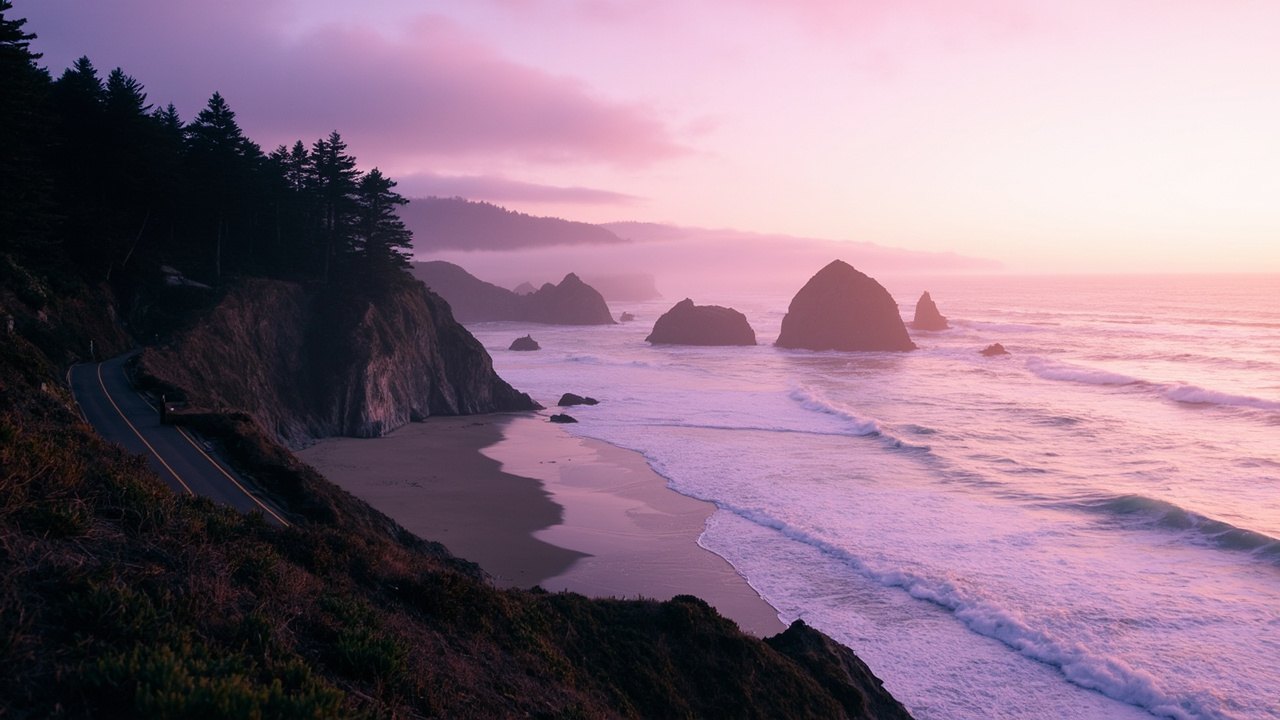
An oregon coast road trip is best taken as a slow southbound drive on U.S. Route 101, starting in Astoria and ending around Bandon. A practical itinerary links the Columbia River, ocean viewpoints, beaches, lighthouses, small towns, and dune areas, with at least two days for a comfortable trip and more time for tide-dependent stops.
The short version
- Drive south on U.S. Route 101 from Astoria toward Bandon.
- Allow a full day for the drive, or split the route at Newport or Florence.
- Time beach walks and coastal stops around the local tide predictions.
- Reserve lodging early for summer weekends and bring layers for changing weather.
How long does an oregon coast road trip take?
Allow one full day to drive from Astoria to Bandon without extended stops, or make the route a two-day journey for a much more rewarding experience. The highway follows cliffs, forests, river valleys, and fishing communities, and the interesting places often sit just off the road.
A useful southbound plan divides the coast into manageable pieces:
- Day one: Astoria to Tillamook. Begin near the Columbia River, stop at Cannon Beach, and continue through the northern coastal towns. This section is scenic even when the weather is clear and foggy, because each headland offers a different view.
- Day two: Tillamook to Florence or Bandon. Visit Newport, explore the beaches around Florence, and continue into the Oregon Dunes area. If your lodging is farther south, this avoids turning the entire route into a long, tiring final day.
- Add a third day if time allows. Use it for Oregon Dunes National Recreation Area, Cape Perpetua, Heceta Head, and the quieter coastal stretches near Bandon and Port Orford.
Traffic is lighter early in the morning, but road work, strong winds, fallen trees, and rockfall can affect travel times. Check Oregon road conditions before leaving and build extra time rather than trying to reach a specific sunset.
What are the best stops on an oregon coast road trip?
The best stops on an oregon coast road trip run from historic riverfront towns to broad dune fields, and most can be reached directly from U.S. Route 101. You do not need to make large detours, though a few places require a short walk from the highway.
Astoria and the Columbia River
Astoria is an effective place to start because it sits where the Columbia River meets the Pacific. Walk the waterfront, see the Astoria-Megler Bridge, and choose the Columbia River Maritime Museum for local maritime history. The town also has several viewpoints upriver, though access and visibility can vary with weather and fog.
Cannon Beach and Haystack Rock
Cannon Beach is one of the coast’s most recognizable destinations, with Haystack Rock rising behind a broad stretch of sand. The town center is convenient for food and lodging, while the beach is reached by a short walk from the highway. Arrive early for easier parking, and remember that public parking rules and seasonal restrictions can change.
Tillamook
Tillamook makes a good midpoint for a lunch break or an overnight stay. The town is associated with Oregon cheese, and Tillamook Cheese Factory offers a visitor experience before the highway continues toward the open coast. Nearby bays, beaches, and headlands provide additional scenery without requiring a major side trip.
Newport
Newport has a strong mix of attractions and is one of the best overnight choices. Explore the working waterfront, Yaquina Bay, and the historic Nye Jetty area before visiting the Oregon Coast Aquarium or the lighthouse district. Nearby beaches are excellent for a walk, but their conditions change considerably with tides and surf.
Florence dunes and Cape Perpetua
Florence is another practical overnight base, with access to Cape Perpetua, Heceta Head, and the northern end of the Oregon Dunes National Recreation Area. Sea Lion Caves and nearby coastal viewpoints are also popular. This is where an oregon coast road trip starts to feel especially wild, with long beaches, forested slopes, and exposed headlands.
Bandon
Bandon is a relaxed endpoint with a small harbor, local shops, restaurants, and views of the surrounding headlands. Nearby Face Rock and the beaches toward Port Orford are worth considering, although some viewpoints involve uneven paths or limited roadside access. Staying a night in Bandon lets you explore the area without rushing back north.
Not every famous viewpoint needs to be on the schedule. Choose a few places that interest you and leave room to enjoy the highway itself, which is often the defining experience of this route.
When is the best time to visit the Oregon coast?
Late spring through early fall is the most popular time to visit because daytime weather is often mild and the beaches are easier to reach, but expect more visitors and limited parking on summer weekends.
Summer is good for families, restaurants, and a full range of visitor services. Late summer can bring wildfire smoke in some years, and coastal fog can reduce visibility even during otherwise pleasant weather. Reserve rooms and campsites well ahead if your route includes a weekend.
Fall and winter offer quieter roads, dramatic surf, and a strong sense of distance. Some lodging, restaurants, and attractions reduce their schedules or close entirely, so check what is open before making a long drive. Winter also brings storms, flooding, and occasional highway closures.
How do tides affect beach stops and coastal safety?
Tides determine whether a beach feels expansive or confined, so check the official local tide predictions before each major stop. Low tide exposes wide flats and sandbars, while high tide pushes the water toward the cliffs and can leave little dry ground between the surf and the vegetation.
Use the National Weather Service or another official source for local tide tables and coastal weather. Set a reminder based on the time you expect to reach the beach rather than checking only your departure time. Sunrise and sunset can also matter because the best light may arrive near a different tide than the best walking conditions.
- Check the high and low tide times. Include your drive time from the nearest town.
- Read the surf and weather information. A safe tide does not guarantee safe conditions if waves are large.
- Watch the water continuously. The tide can rise faster around a headland or inlet than the chart may make obvious.
- Keep children and pets close. Stay away from water that appears to be enclosed by sand, rock, or driftwood.
Never climb onto wet rocks or unstable cliff edges, and do not turn your back on the ocean. Sneaker waves can reach well above the immediate breaking surf. If a beach access closes, respect the barrier rather than squeezing around it, because the safer route may require a longer walk.
What do you need to bring for an Oregon coast road trip?
Bring layers, water-resistant outerwear, sturdy footwear, and enough supplies to remain comfortable through rain, wind, and changing temperatures. The coast can feel cool even when inland Oregon is warm, especially near the water or after sunset.
| Item | Why it matters | Useful habit |
|---|---|---|
| Warm layer | Wind and fog can make the air feel colder | Keep one in the passenger compartment |
| Rain shell | Showers may arrive with little notice | Pack it even on a clear forecast |
| Sturdy shoes | Beach sand, rocks, and wet trails are uneven | Choose shoes that can handle wet ground |
| Water and snacks | Services can be spread far apart | Restock in larger coastal towns |
| Offline map | Cell coverage is inconsistent in places | Download the route before leaving |
| Paper backup | Phones can lose power or signal | Save key directions and reservation details |
Download the route to your preferred navigation app before the trip and save any necessary directions offline. On your phone, open its map app and look for an offline-download or offline-maps option; exact menus vary by device and app version. A physical paper map can be a useful backup.
Also carry a small trash bag, sunscreen, a first-aid kit, and a charging cable. Fill the fuel tank in a larger town and do not wait until the warning light appears. For roadside emergencies, contact the appropriate state or local authorities rather than relying on another traveler’s signal.
Should you stay overnight in Newport, Florence, or Bandon?
Newport, Florence, and Bandon are the three most useful overnight bases for most drivers, and each suits a different pace. Choosing one well and spending less time changing hotels can make the trip feel less rushed.
| Base | Best for | Route advantage |
|---|---|---|
| Newport | A balanced first overnight stop | Convenient for the central coast |
| Florence | Beaches, dunes, and outdoor scenery | Close to Cape Perpetua and Heceta Head |
| Bandon | A quieter, slower finish | Easy access to southern beaches and harbors |
Newport offers the broadest mix of attractions and is convenient if you want to split the trip almost evenly. Florence is ideal if dunes, lighthouses, and beach time matter more than a large selection of restaurants and lodging.
Bandon works well for travelers who prefer to finish the route without immediately turning around. An oregon coast road trip that ends there can continue along the southern Oregon coast, but most visitors will either choose a northern return route or plan a separate journey. Confirm your lodging, breakfast options, and checkout time before booking a nonrefundable room.
Common mistakes to avoid
- Planning the entire drive around one sunset. Traffic, parking, tides, and weather can disrupt even a carefully timed schedule.
- Ignoring low tide. A beach that looks inaccessible at high tide may be excellent later, but the return walk may not work if the tide turns.
- Stopping on the highway shoulder. Use designated pullouts and parking areas, especially near bridges, curves, and popular viewpoints.
- Leaving wet feet in the car. Bring a towel or dry shoes for walking on wet sand.
- Assuming every attraction is always open. Restaurants, museums, lodging, and visitor sites can change schedules by season.
- Forgetting that the wind can be strong. Secure doors, keep loose items out of reach, and take extra care when opening car doors.
- Driving faster after dark. Fog, wildlife, wet pavement, and sharp coastal curves deserve more caution.
Frequently asked questions
Can you drive the entire Oregon coast in one day?
You can, but it is a long day with little time for the places that make the route memorable. Astoria to Bandon takes roughly five hours of driving without stops. Overnighting in Newport or Florence gives you room for beaches, viewpoints, and meals without rushing.
Do you need a reservation for an oregon coast road trip?
You generally do not need a reservation for the highway itself, but you should book lodging and any major attraction you especially want to visit. Summer weekends and holiday periods are the most difficult times to secure a room, particularly in Cannon Beach, Newport, and Florence.
Is the Oregon coast good for families?
Yes, especially in warmer months when beach access is easier and more visitor services are open. Choose a base near a beach or town center, bring layers for children, and set firm boundaries around tide pools and unstable shoreline areas.
How many days should you allow for an Oregon coast road trip?
Allow at least two days for Astoria to Bandon if you want more than a quick drive. Three or more days are better for Oregon Dunes, Cape Perpetua, Heceta Head, and the southern coast. Add another day when your lodging is spread out or you plan to hike extensively.
Start by choosing your two most important overnight towns, check the official tide and road-condition reports, and then build the shorter stops around them. That simple structure will make your Oregon coast road trip easier to enjoy and much easier to change when the weather or tide shifts.