Family Game Night Ideas Everyone Will Actually Enjoy
Practical family game night ideas for every age, with easy games, themed snacks, fair rules, screen-free tips, and a simple planning checklist.
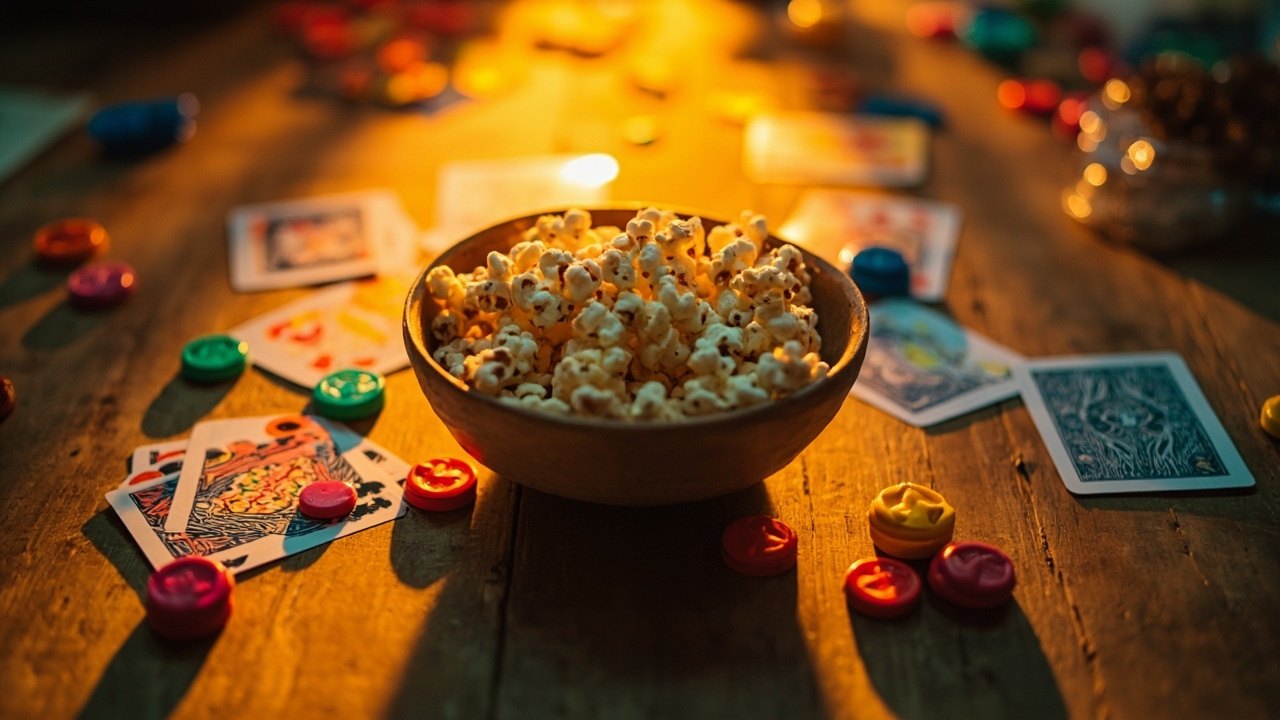
Family game night ideas work best when you mix familiar favorites with one new choice, choose games that suit every age, and keep the evening relaxed, social, and easy to organize. A few simple games, snacks, and fair rules can turn an ordinary weeknight into memorable family time.
The short version
- Plan one familiar game, one easy-to-learn new game, and one active option.
- Match games to ages by using simple rules, teamwork, or strategic play.
- Set up snacks where everyone can reach them without interrupting the game.
- Explain rules, use a turn timer, and let players skip without penalty.
Which family game night ideas suit different ages?
Choose games that challenge players just enough without making anyone feel left out. The best choice depends on the youngest and oldest players, not simply on a game’s advertised age range.
For children under six
Look for games involving matching pictures, moving pieces, simple patterns, or taking turns. Children this age often enjoy the participation more than winning, so keep rounds short and praise effort, noticing, and willingness to try.
- Matching games with bright, familiar objects.
- Simple cooperative stories where players decide what happens next.
- Board games with one or two easy actions on each turn.
- Card games built around colors, shapes, or finding a particular object.
For school-age children
Children ages six to twelve usually enjoy games with a clear goal, light competition, and enough variety to prevent boredom. Games involving building, collecting, guessing, or strategy can hold their attention longer than games that repeat the same action.
Include younger children in some games and let older children have choices within the family lineup. You do not need one game for everyone; rotating between two or three activities often works better than forcing a single option.
For teens and adults
Teens and adults are more likely to join in when a game feels lively rather than overly complicated. Consider quick party games, team challenges, creative storytelling, or strategy games with brief rounds. Offer a short break between heavier games so nobody feels trapped.
For mixed-age groups
Team games, cooperative games, and guessing games are useful bridges across generations. Let players work together, give each person a role, and use simple rules that children can understand quickly. You can also let the youngest player choose the first game, making participation feel natural rather than managed.
How do you choose games that everyone will enjoy?
Choose games that everyone can understand in a few minutes and that allow different levels of experience. A good family game night plan offers familiar fun alongside just enough novelty to feel special.
- List what your family already likes. Include board games, card games, puzzles, sports, make-believe, or trivia. Familiar activities are reliable, especially after a tiring day.
- Pick one new game to try. Read the instructions before the event and test the setup yourself. If a game requires a long explanation, it may not be the right choice for a mixed group.
- Check the finish line. Choose games that can be completed in 20 to 45 minutes, unless you specifically want a longer evening. Shorter games make it easier to try more than one activity.
- Offer a choice. Let each person vote on one or two possibilities. If choices conflict, use a quick demonstration rather than debating every detail.
- Keep one activity in reserve. If the first game frustrates anyone, switch to something familiar. The goal is participation, not completing a planned schedule.
| Game type | Best for | Useful feature | Keep an eye on |
|---|---|---|---|
| Matching and sorting | Young children | Simple, quick rounds | Long setup or complicated rules |
| Board games | All ages | Turn-taking and visible progress | Games that last too long |
| Party games | Larger groups | Short rounds and movement | Players who dislike competition |
| Cooperative games | Mixed ages | Shared goals | One person taking over |
| Creative games | Children and teens | Imagination over skill | Unequal participation |
| Strategy games | Teens and adults | Meaningful decisions | Long explanations or slow turns |
What snacks should you serve for family game night?
Serve snacks that are easy to eat with one hand, require little cleanup, and do not create distracting messes. Put drinks on a separate table when possible, away from cards, tokens, and game boards.
- Easy finger foods: Popcorn, pretzels, sliced fruit, crackers, cheese cubes, and vegetables with dips.
- Make-ahead treats: Trail mix, snack boards, cookies, or frozen bites that can move from the freezer to the table.
- Theme accents: Add themed names to ordinary foods, such as “treasure fruit” or “moon crackers,” rather than preparing several complicated recipes.
- Mess-free options: Use lidded cups for drinks and small plates for foods that might crumble. Keep napkins within reach.
Ask about food allergies before the evening, and separate foods that may cause problems. If you are serving meat or poultry, cook it to a safe internal temperature and use a food thermometer; the USDA recommends 165°F for poultry and reheated leftovers, and 160°F for ground beef. Let hot foods cool briefly before serving children.
How do you make the rules fair for everyone?
Make the rules clear, consistent, and easy to change before play begins. Fairness comes from everyone understanding the same expectations, not from giving every player the same strategy.
- Explain the objective first. Use a plain-language example: “You want to collect the most matching cards,” or “Everyone works together to fill the board.”
- Show one complete turn. Demonstrating the action is often faster than explaining every possibility.
- Use a turn timer for wordy games. A timer keeps play moving and prevents one person from dominating the conversation.
- Allow a pass. Players may skip a turn when they do not want to answer or need time to think. A pass should not lead to punishment.
- Keep score visible. Write down scores or use simple markers so nobody argues about what happened.
- Agree on disputes before starting. Decide whether questions go to the group, the game leader, or a simple card. Avoid changing rules in the middle of a round unless the group agrees.
Remember that losing is part of play, not a verdict on anyone’s intelligence or personality. Thank people for making good guesses, trying a difficult move, and helping the group move forward.
How can you make family game night screen-free?
Make screen-free fun intentional by putting devices away before the first game and giving everyone something active to do. A short transition announcement helps: “Phones go on the side table, and we’ll check them after the next round.”
- Create a device parking area outside the playing space.
- Use paper score sheets, index cards, or a timer instead of a phone for game functions.
- Choose physical formats such as card decks, board games, puzzles, dice, tokens, and scavenger-hunt clues.
- Plan one active break between games, such as a dance challenge, relay, stretch break, or backyard walk.
- Keep printable or written rules nearby instead of searching online mid-game.
If someone must receive a call, designate a quiet spot and set a clear expectation that they can return without rushing the game. The goal is not punishment; it is helping the group protect its attention.
What themes make family game night ideas feel special?
A theme works best when it influences the mood and a few simple details, not when it requires expensive props or complicated preparation. Pick a theme that fits the season, a family interest, or something the guests can help create.
Seasonal themes
Use harvest, winter, spring, summer, or holiday themes to inspire colors, snacks, and game names. A general color theme, such as red and green, can be just as effective as a specific holiday celebration and works for more families.
Travel and adventure themes
Turn the table into a journey. Players might answer questions about imaginary destinations, follow clues on a map, or pack a “mission” board with small tasks. Keep the challenges cooperative and easy to adapt.
Detective and mystery themes
Use clues, mystery cards, and a list of suspects for a game that encourages careful listening. Let players make a group theory before the reveal, which keeps quieter family members involved.
Build-your-own themes
Ask each player to suggest a character, place, or object before the evening. Use those ideas to name teams, decorate score sheets, or create a short story prompt. Involving family members in the design makes the theme feel personal.
How long should a family game night last?
Aim for 90 minutes to two hours for most families, with enough flexibility to stop after one satisfying game. Start when everyone is rested, not during a meal that leaves people groggy or rushed.
A simple schedule might include 10 minutes for setup and snacks, 25 minutes for a familiar game, 30 minutes for a new game, and 20 minutes for an active or creative activity. End with an easy favorite if time remains. If the evening is going well, do not feel obligated to add another game.
Before the night, write down the games, snacks, equipment, and any needed rules on one list. When you use these family game night ideas regularly, keep the core supplies together and rotate the novelty so planning becomes easier.
Common mistakes to avoid
- Planning too many games: Choose two or three options and leave room for conversation.
- Choosing only what adults enjoy: Include one activity that reflects children’s interests and comfort level.
- Explaining rules during the first round: Learn the setup in advance and explain only what players need to know.
- Letting one player control every turn: Use teams, roles, or a turn timer to keep participation balanced.
- Serving messy snacks beside the game: Protect the playing area and provide easy cleanup.
- Forcing a schedule: If a game is not working, switch rather than finishing a frustrating activity.
- Making the winner the main event: Notice effort, humor, teamwork, and good sportsmanship too.
Frequently asked questions
What are good family game night ideas for a large group?
Choose games with short rounds, visible turn order, and simple scoring. Team challenges, guessing games, and cooperative activities work well because they include many players without making the group wait. Prepare two backup options in case a popular game takes too long.
What games work when family members have very different ages?
Cooperative games, matching games, and team challenges are usually easiest to adapt across ages. Give younger players a meaningful role, such as finding pieces or making a team choice, while explaining rules in one short demonstration. Avoid games where reading ability, speed, or specialized knowledge determines everything.
How do you keep family game night from feeling competitive?
Use cooperative goals, score the group’s performance, or award playful awards for participation rather than winning. Let players skip questions, keep scores casual, and praise helpful behavior. A friendly, low-stakes tone usually matters more than the game itself.
How often should families have a game night?
Once a week is plenty, but consistency matters more than frequency. A 45-minute version on a weeknight can work as well as a longer weekend gathering. If the family is busy, schedule the next session before the current one ends so everyone knows when to look forward to it.
For your next family game night, pick one familiar game, one new activity, and one snack everyone likes. Set the devices aside, explain the first rules clearly, and let the conversation—not the scorecard—decide how long the evening lasts.