Hobbies for Men: 40 Ideas Worth Picking Up
Explore 40 hobbies for men, from low-cost outdoor interests to music, cooking, games, crafts, and photography, with practical ways to begin.
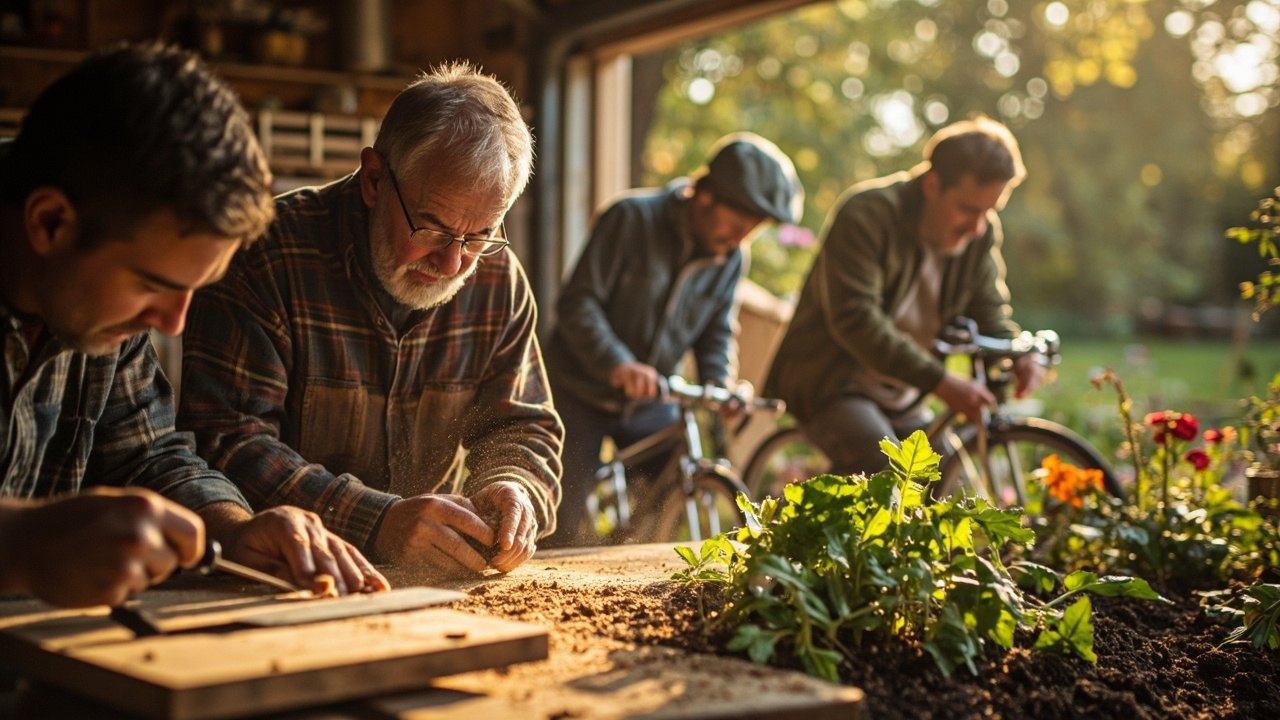
Hobbies for men are activities that bring enjoyment, skill, exercise, curiosity, or connection; good choices range from walking, cooking, gardening, and reading to woodworking, music, gaming, photography, and volunteering. Start with one activity you can try this week, borrow what you need, set a small goal, and repeat it often enough to discover whether it fits.
The short version
- Choose one hobby that matches your interests, energy, schedule, and available space.
- Borrow equipment, use free resources, and begin with a simple project before buying much.
- Set a recurring time and track progress with a small, measurable goal.
- Invite a friend or join a local group when social connection would make the hobby more enjoyable.
What are good hobbies for men?
The strongest choices are engaging enough to become habits and accessible enough to begin without a major commitment.
Five no-pressure beginnings
- Walking: Start with a 20-minute route on pleasant days. Add distance, hills, or a podcast gradually, and use the habit to explore unfamiliar streets.
- Running: Alternate brisk walking and light running rather than chasing distance immediately. Comfortable shoes and a consistent pace matter more than speed.
- Hiking: Begin with a short, marked trail near home. Check conditions, carry water, and learn basic navigation before attempting more remote routes.
- Cycling: Ride a safe loop to build endurance. Learn essential repairs, use visible lights, and choose routes appropriate for your current fitness level.
- Bodyweight training: Learn a small set of movements from a trustworthy guide. Practice controlled form, rest between sets, and progress only when the routine feels manageable.
Which hobbies cost little to start?
If you are comparing hobbies for men by affordability, focus on borrowed gear, public spaces, and experiences rather than purchases. Many rewarding pastimes can begin with what you already own.
Low-cost ways to start
- Gardening: Grow herbs or vegetables in containers or a small patch. Begin with a few hardy plants, learn their watering needs, and improve the soil gradually.
- Birdwatching: Use binoculars or a community guide to identify local species. A notebook and quiet hour near a suitable habitat are enough to begin.
- Fishing: Start at a permitted local pond and learn the rules. Borrow a simple rod, pack snacks, and ask experienced anglers about local conditions.
- Camping: Practice setting up a tent in a backyard before sleeping outside. Assemble a basic kit and borrow a stove until you know what you need.
- Foraging: Learn common edible plants from a local expert or reliable field guide. Never eat a wild item based only on a photograph.
| Hobby type | Starting needs | Best first step |
|---|---|---|
| Outdoor skills | Clothing, water, simple equipment | Take a beginner course |
| Games | A basic set or borrowed equipment | Learn one game thoroughly |
| Creative projects | Paper, pencils, secondhand tools | Complete one small project |
| Cooking | Ingredients, cookware, utensils | Cook one familiar meal |
| Community hobbies | Comfortable clothing and a notebook | Attend one local session |
| Technology projects | A computer and basic components | Follow a beginner tutorial |
What should you do if you want to make things?
Choose a first project that produces a useful or enjoyable result within a few sessions. That sense of completion will teach faster than buying a large collection of tools.
Make a safe first project
- Woodworking: Begin with a small box, shelf, or simple bench. Measure carefully, cut slowly, and sand edges before applying a finish.
- Metalworking: Learn cutting, bending, and joining with guidance from a local workshop. Use eye protection, secure materials, and ventilation.
- Sewing: Repair a hem or make a simple pouch first. Choose a straightforward pattern, work with clean fabric, and keep extra thread nearby.
- Electronics: Assemble a small kit with clear instructions. Work on an unplugged project, check connections, and understand the voltage before powering it.
- 3D printing: Download or design a simple model and learn the printer’s controls. Check the file at reduced scale when possible to reduce waste.
Before the first build
- Read the full instructions and gather materials before beginning.
- Reserve a stable work surface with good light.
- Wear appropriate protection and keep unrelated items away from moving tools.
How can you explore music and visual art?
Among hobbies for men, creative pursuits can provide both a private challenge and an easy way to connect with others through classes, open sessions, and shared events.
Choose a creative focus
- Guitar: Learn a few open chords and one simple song at a time. Practice short sessions regularly instead of attempting a full piece immediately.
- Piano: Begin with posture, note names, and simple exercises. Use a digital instrument or borrow access to a practice room at a music school.
- Drawing: Draw ordinary objects daily and focus on shapes, spacing, and proportion. A sketchbook and inexpensive pencils are enough to begin.
- Painting: Test a few colors on scrap material before starting a larger canvas. Establish a clear subject and limit the palette at first.
- Songwriting: Keep a notebook for phrases, melodies, and observations. Build songs around one central idea and record rough versions for comparison.
What hobbies are fun for food and drink?
Kitchen hobbies range from precise technique to relaxed experimentation, so you can choose a style that suits your patience, schedule, and appetite.
Pick your first kitchen project
- Cooking: Master one dish from a reliable recipe, then make small changes. Keep notes about quantities, heat, and timing for future attempts.
- Baking: Choose cookies, bread, or a simple cake. Measure ingredients accurately and follow the recipe once before adding your own variations.
- Grilling: Practice with familiar foods and use a thermometer where appropriate. Keep raw and cooked items separate, and never leave a hot grill unattended.
- Coffee roasting: Start with green beans from a reputable seller and use a beginner guide. Record each batch so you can adjust roasting with purpose.
- Cocktail mixing: Learn a small number of classics and practice ratios rather than improvising everything at once. Use proper measures and enjoy responsibly.
Keep the kitchen organized
- Clean as you work and return ingredients to their proper places.
- Label leftovers and refrigerate them promptly.
- Use a food thermometer and official safe-cooking guidance for meat, poultry, and other temperature-sensitive foods.
Which games and competitions are worth trying?
Games offer useful strategy, friendly competition, and built-in opportunities for regular practice. The best choice is one that creates anticipation rather than obligation.
Start with a repeatable game
- Chess: Learn the board, piece movement, and a few opening principles. Play regularly, review each game, and focus on one recurring mistake.
- Poker: Begin with free or low-stakes play and learn hand ranking plus basic betting discipline. Treat chips as entertainment, never as guaranteed income.
- Board games: Choose a game with clear rules and a reasonable session length. Invite people with different experience levels to keep it welcoming.
- Video games: Select one story-driven, strategy, or cooperative game and set a session limit. Explore smaller independent titles when you want variety.
- Disc golf: Learn the basic throws at a local course and bring a simple scorecard. Walking the course makes it useful even for beginners.
Make competition healthier
- Agree on the stakes before playing.
- Use a practice round when rules feel unfamiliar.
- Take breaks and stop when enjoyment has clearly disappeared.
How do you turn hobbies into content?
Documenting a hobby can deepen your attention while producing photos, audio, or video. You can keep everything private if creating is not the goal.
Capture, create, and share
- Photography: Carry one camera or phone and photograph one subject each week. Review images for focus, light, and composition instead of buying gear.
- Filmmaking: Tell a short story with a beginning, middle, and end. Plan the shots first and keep each clip brief enough to stay manageable.
- Podcasting: Record a conversation or solo introduction about a topic you know. Check the sound in a quiet room before discussing equipment.
- Video editing: Import a short practice clip, trim unnecessary sections, and add a simple title. Work from copies so the original footage remains protected.
- DJing: Begin by sorting tracks by tempo and practicing transitions with familiar music. Develop a library gradually and practice blending by ear.
How can you learn a hobby and meet people?
A broad list of hobbies for men becomes more useful when each option has a clear learning path and a way to connect with people who share the interest.
Choose a path to progress
- Language learning: Learn greetings and a useful daily phrase set first. Practice speaking with a tutor or exchange partner more often than reviewing vocabulary alone.
- Volunteering: Choose a cause and contact a local organization. Clarify your role, schedule, and supervisor before committing to a project.
- Home repair: Begin with minor maintenance and learn how to shut off water or power safely. Call a qualified professional when the job exceeds your training.
- Astronomy: Learn to recognize constellations and use a free sky map. Observe from a dark location and record what you can identify without a telescope.
- Collecting: Define a narrow theme, research what makes examples desirable, and set a budget. Protect fragile or valuable pieces with suitable storage.
Common mistakes to avoid
- Buying before trying: Borrow equipment or attend an introductory session before purchasing specialized gear.
- Changing interests too quickly: Give a new hobby several small sessions before deciding it does not fit.
- Skipping safety basics: Learn the rules, use required protection, and seek qualified instruction for dangerous tasks.
- Ignoring recovery: Build rest into demanding hobbies, especially those involving repetitive motion or outdoor exposure.
- Making every session social: Some hobbies are most restorative when enjoyed quietly, so alternate group and solo time.
- Measuring progress only by results: Notice improved skill, consistency, curiosity, and energy as well as finished projects.
Frequently asked questions
What are the best hobbies for men for beginners?
Beginners usually do best with hobbies that have a clear first step and manageable equipment. Walking, cooking, drawing, gardening, chess, and photography all allow immediate practice, while classes can add structure and social contact.
How much time should I spend on a new hobby?
Two or three short sessions a week are often more sustainable than one long session followed by a break. Adjust the schedule to your energy, and keep enough regularity to build familiarity without crowding out rest.
Do I need to be fit or talented to start?
No. Most hobbies can be adapted to different fitness levels and skill levels, and instructors or experienced friends can help with the basics. Choose a beginner-friendly version and progress only when it feels comfortable.
How can I keep a hobby interesting after the novelty fades?
Add a new project, challenge, or social setting once the basics become familiar. Learning, collecting, competing, and sharing your progress can renew interest, but occasional simpler sessions are still worthwhile.
Choose the one idea that made you pause, write it on your calendar, and schedule a first session within the next seven days; a small trial is the clearest way to discover a hobby worth keeping.