Hobbies to Pick Up This Year (and How to Stick With Them)
Explore the best hobbies to pick up, match ideas to your personality and time budget, start small, and build a habit you can actually keep.
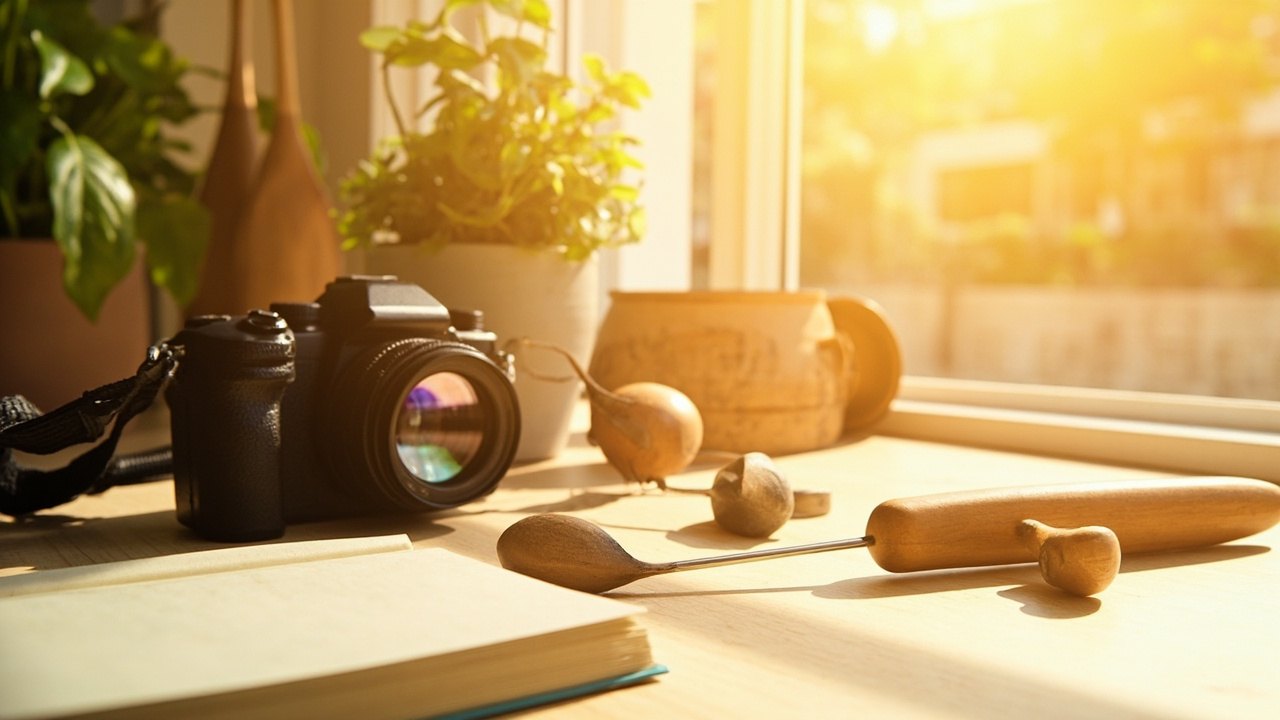
The best hobbies to pick up are simple, flexible activities you can begin with what you already have: reading, walking, cooking, gardening, making, or learning a few chords. Start with one small session, choose something you genuinely enjoy, and set a repeatable schedule so the activity becomes easier to continue than to abandon.
The short version
- Choose one hobby linked to something you already enjoy.
- Begin with a ten-minute version you can repeat on ordinary days.
- Match the hobby to your real schedule, not an idealized one.
- Plan the next session before putting away the materials.
What are the easiest hobbies to pick up?
The easiest hobbies to pick up are those with a clear beginning, a low barrier to entry, and enough variety to stay interesting. You should be able to make meaningful progress without buying a large collection of equipment or learning an entire set of rules at once.
Good beginner options include:
- Walking with a simple goal: Explore a new route, visit a local park, or take photos of ordinary places rather than tracking distance alone.
- Reading: Start with a short book, magazine, essay, or audiobook that fits your attention span. The pleasure of reading matters more than finishing a famous title.
- Cooking one dish repeatedly: Pick something you like to eat and practice it until the steps feel familiar. A recipe collection, a basic kitchen tool, and a notebook can be enough.
- Sketching: Use any paper and a pencil you have. Drawing familiar objects is more useful than worrying about artistic talent.
- Gardening: Begin with one container plant or a small group of herbs. Light, drainage, and regular watering matter more than a large outdoor space.
- Learning a few songs: An instrument, online lesson, and a short daily practice session are a practical start. Choosing one song you love gives you a clear milestone.
When comparing hobbies to pick up, favor an activity that produces a result, teaches a skill, or gives you a reason to look forward to the next session. Interest is what pulls you back; structure helps you return.
How do you choose a hobby that matches your personality?
Choose a hobby that matches how you naturally like to spend attention, spend time with others, and respond to progress. You do not need to fit a personality category perfectly, but your habits can still point you toward a better starting point.
If you like clear routines
Try cooking, gardening, home organization, birdwatching, running, or practicing a sport. These activities reward regular attention and make it easy to notice gradual improvement. A fixed weekly window is often more helpful than waiting for a free afternoon.
If you like exploration
Consider photography, urban sketching, hiking, language study, museum visits, or learning about local history. These hobbies let you follow changing interests without requiring a rigid progression. Keep a simple record of places, subjects, or discoveries so your curiosity has somewhere to land.
If you like creating
Try writing, drawing, knitting, woodworking, jewelry making, collage, or home crafting. Start with a small project that has a natural finish. You will learn more by completing something modest than by buying materials for an ambitious version you are not ready to make.
If you like company
Look toward group classes, team sports, community gardening, board games, volunteering, or a shared online community. A scheduled activity can make consistency easier because someone else expects you to be there. Choose a group that feels welcoming rather than competitive.
A useful test is to notice what you already do voluntarily. Do you linger over recipes, save images, tell stories, organize objects, sing in the car, or seek out conversation? Turn that behavior into a hobby and add just enough structure to keep it moving.
What do you need to get started?
Most hobbies need less than beginners expect: a clear first activity, basic supplies, a safe place to work, and a plan for what comes next. Before buying anything, borrow equipment, check what you already own, and search for beginner classes or free resources at your library or community center.
- Define one first project. “Learn watercolor” is broad; “paint three small landscapes” gives you a place to begin.
- Collect only essential tools. Choose equipment that works and feels comfortable rather than the most elaborate option available.
- Set aside a work area. Even a clear corner of a table can become a reliable place for practice.
- Find reliable instruction. A library book, reputable course, experienced instructor, or clear demonstration can prevent avoidable beginner mistakes.
- Schedule the first few sessions. Put them on your calendar before motivation fades.
Safety matters, too. Use equipment as intended, follow care instructions, and give yourself adequate room for active hobbies. If you plan to cook meat, poultry, seafood, or eggs, use a food thermometer and follow current USDA guidance on safe internal temperatures. For activities involving tools, power equipment, water, or climbing, take an introductory lesson instead of relying only on online instructions.
Your setup can improve over time, but it does not need to be perfect on day one. The purpose of the first session is to learn how the hobby feels, not to look like an expert.
Which hobbies fit your available time?
The best hobby for your schedule is one you can perform consistently in the time you actually have. A demanding activity can fit a busy life if you reduce its scope, while a relaxed hobby can feel wasteful if it never gives you a satisfying challenge.
| Hobby | Time that fits best | Good for | Simple first step |
|---|---|---|---|
| Walking | Ten minutes or longer | Low commitment | Take one familiar route slowly |
| Sketching | Twenty to forty minutes | Creative focus | Draw one everyday object |
| Cooking | Thirty to sixty minutes | Useful skills | Make one dish from scratch |
| Guitar practice | Fifteen to thirty minutes | Steady skill building | Learn one simple song |
| Gardening | Short, frequent visits | Patient routines | Care for one plant |
| Language study | Ten to twenty-five minutes | Focused progress | Learn a small daily set |
For a crowded week, choose hobbies to pick up that can shrink without disappearing. A full pottery session might become twenty minutes of preparing clay. A long hike might become a walk around the block. A demanding recipe might become a simple breakfast that you still prepare from scratch.
Working with limited time
Use “minimum versions” of the hobby. Fifteen minutes of reading counts. Three rounds on the guitar count. One practiced recipe counts. These small sessions preserve the connection without demanding that every day look ideal.
Working with more free time
Use larger blocks for projects, courses, travel, or activities that need sustained attention. Break them into stages so each block has a definite goal. More available time creates options, but structure is still what turns free time into progress.
How long does it take to make a hobby a habit?
There is no fixed timetable because a habit forms when a repeatable action becomes easy to remember and difficult to skip. The useful unit is not a perfect week but how often you return after ordinary interruptions.
- Attach the hobby to an existing cue. Practice after your morning coffee, walk immediately after work, or sketch before checking your phone.
- Choose a realistic frequency. Three short sessions may fit your life better than one long session you rarely schedule.
- Prepare in advance. Leave the book open, the tools on the table, or the ingredients ready before you sit down.
- Track only what helps. A simple mark on a calendar can show consistency without turning enjoyment into a scorecard.
- Keep the first step tiny. On low-energy days, commit to opening the book, putting on shoes, or playing one exercise.
Expect the routine to become more natural before it becomes exciting. Repetition reduces the mental effort of starting, while varied projects keep boredom from taking over. You need both consistency and enough novelty to stay connected.
How can you stick with a new hobby?
Consistency improves when you reduce friction, protect your schedule, and adjust the hobby before abandoning it. Motivation can help, but a dependable setup carries you through the days when enthusiasm is low.
- Use a calendar appointment. Treat the time like a meeting with yourself, including a stopping point.
- Make progress visible. Keep finished sketches, recipe notes, recordings, reading lists, or plant photos in one place.
- Alternate projects, not standards. Keep your regular practice while changing the subject so the same task does not become stale.
- Find a gentle commitment. A class, friend, club, or shared challenge can make skipping feel awkward.
- Review after four weeks. Ask whether you enjoy the activity, whether the time works, and what needs to change.
If you miss repeatedly, shrink the hobby rather than declaring failure. A daily five-minute guitar session may be more durable than an occasional two-hour jam. The right goal is not to preserve a rigid plan; it is to remain in contact with something you enjoy.
Common mistakes to avoid
The most common beginner mistake is designing an ambitious version of a hobby that does not fit your real life. Avoid these traps:
- Buying equipment before practicing. Borrow or rent first, then upgrade based on what you actually use.
- Choosing several hobbies at once. Give one activity a fair trial before adding another.
- Comparing your beginning with someone else’s middle. Skills look different at every stage, and online examples often highlight finished work.
- Making missed sessions a reason to quit. Resume with the next planned session instead of trying to compensate.
- Using “no time” without testing a smaller routine. A short session can reveal whether the problem is time, setup, or interest.
- Collecting supplies instead of practicing. Keep the focus on repeated use, not the size of your collection.
Frequently asked questions
These answers cover the choices beginners worry about most, from finding enough time to deciding when a hobby is working.
What is a good hobby for someone who has no free time?
A good hobby for a busy schedule can be divided into small pieces. Reading an article, taking a short walk, practicing a song, or preparing one simple meal may take less than twenty minutes. Consistency matters more than making the activity impressive.
Do I need to be naturally talented to start a hobby?
No. Natural ability can help, but instruction, practice, and useful feedback determine how quickly many skills improve. Most hobbies become more enjoyable when you accept the awkward early stages and choose goals small enough to repeat.
How do I know if a hobby is right for me?
Give it several weeks of regular contact and notice how you feel afterward. A promising hobby may make you curious, calm, energized, absorbed, or eager to improve. If you repeatedly dread the setup and feel no pull to return, changing the format or trying another activity is reasonable.
Is it too late to take up a hobby as an adult?
It is never too late to begin, and adults often bring patience and life experience that beginners need. Your first goal should be enjoyment and steady participation, not instant mastery. A comfortable pace also makes it easier to keep hobbies to pick up for years rather than weeks.
Write down three activities that genuinely interest you, then choose the one with the lowest barrier to a first session. Put that session on your calendar for this week, gather the basics, and give yourself permission to make it smaller than you imagined.