How to Clean a Humidifier and Keep It Healthy
Learn how to clean a humidifier safely with simple daily rinsing, weekly vinegar descaling, disinfection tips, and a practical checklist.
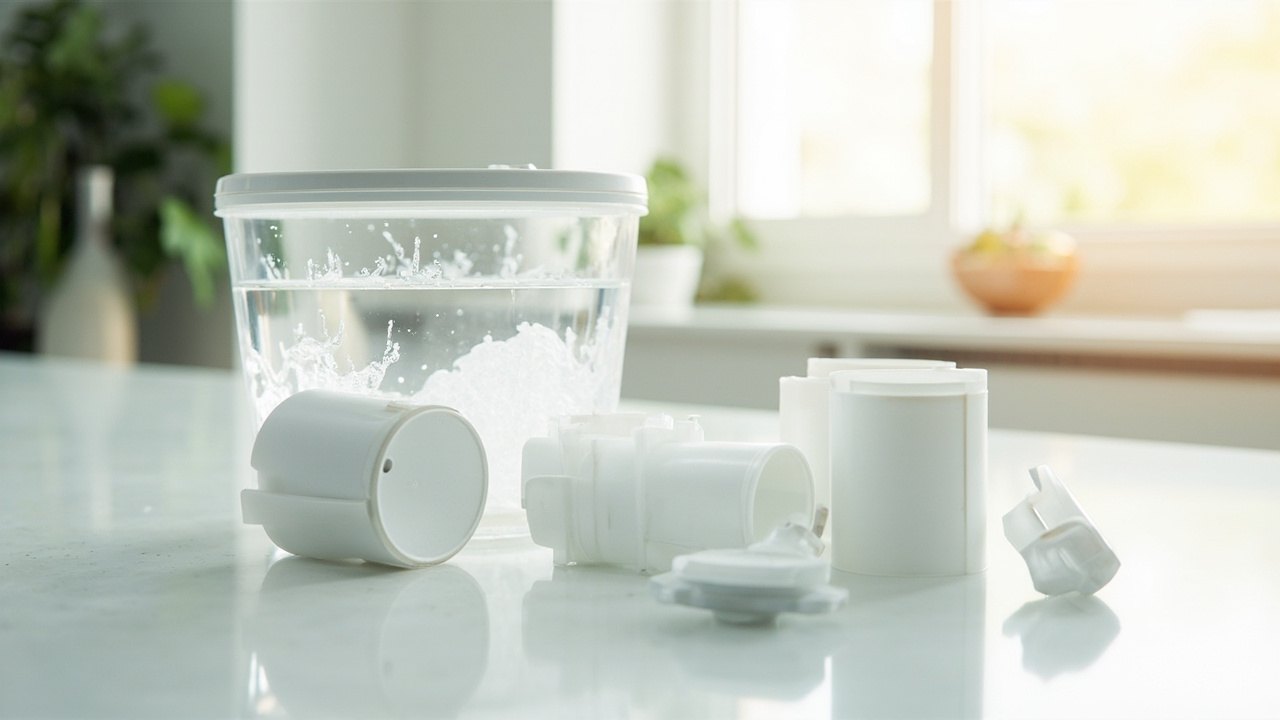
To learn how to clean a humidifier, unplug it, empty the tank, rinse removable parts with water, and scrub away mineral deposits according to the manufacturer’s directions. Clean or replace the filter, disinfect only as instructed, let everything dry fully, and refill with fresh water.
The short version
- Empty and rinse the water tank every day, then let it air-dry completely.
- Descale mineral deposits weekly or as often as the manual recommends, using a manufacturer-approved cleaning method.
- Disinfect only with a product and method approved by the humidifier’s manufacturer.
- Use distilled or demineralized water to reduce buildup, and never mix cleaning chemicals.
Why cleaning matters
A dirty humidifier can distribute the substances inside it along with the moisture it adds to the room. Dust, skin cells, and other debris may collect in the tank, base, filter, and narrow openings. Those hidden surfaces can also develop mold or mildew if they stay damp.
Hard water leaves a pale, crusty scale on internal surfaces. As scale thickens, it can make the unit less efficient, interfere with sensors, and reduce the amount of mist produced. A visible crust is a useful warning, but buildup can begin before it becomes easy to see.
Regular cleaning also makes basic maintenance easier. A clean tank is easier to fill, the moving parts work as intended, and a filter that has not been overwhelmed with dirt or minerals can do its job more reliably. The goal is not a sterile appliance; it is a humidifier that is free from avoidable buildup and kept according to its instructions.
How often should you clean a humidifier?
Most humidifier manufacturers expect you to empty and rinse the water tank every day, with a more thorough cleaning about once a week. Follow the schedule in your manual, because the design, filter type, and water conditions can affect the recommended interval.
A daily routine is quick. Empty the reservoir, discard the old water, and rinse the tank and any removable mist-producing parts with fresh water. Wipe the inside of the base if you can reach it without pushing moisture into the electronics. After reassembling the unit, allow the tank and other damp parts to air-dry before adding water.
Perform a deeper cleaning weekly, or sooner if you notice scale, a musty odor, discoloration, reduced mist output, or visible debris. Inspect the filter and replace it if the manufacturer calls for replacement rather than washing. Filters are often designed to trap minerals and particles, so a filter that has become clogged should not be forced back into service.
Clean before storing the humidifier for a season or moving it to another room. Drain it completely, wash the removable parts, let them dry, and pack them loosely in a clean container. Avoid sealing damp components in a closed bag, where trapped moisture can encourage growth.
What do you need to clean a humidifier?
You usually need only a few simple items: clean water, a soft brush or toothbrush, a lint-free cloth, and a mild dishwashing liquid. A small screwdriver may help remove a panel or grille, but only if the manual specifies how to open the unit. Never force off a cover that is intended to stay attached.
White vinegar is the common choice for dissolving mineral scale, provided the manufacturer allows it. For a basic humidifier, a solution of equal parts white vinegar and water is often used for removable parts that can be rinsed well. Some manufacturers recommend different proportions or caution against prolonged vinegar contact, so the product manual takes priority.
You may also need a replacement filter, a manufacturer-approved disinfecting product, and gloves if the cleaner requires them. Do not assume that bleach, hydrogen peroxide, rubbing alcohol, or another household disinfectant is safe for every humidifier. Materials and electrical components may not tolerate them.
Keep your cleaning supplies separate from drinking water and food preparation items. Label any diluted cleaner clearly, and never transfer cleaning solution into the water tank. If you cannot identify the material of a part or the maker does not provide a disinfection method, contact the manufacturer before applying a chemical.
How do you clean a humidifier without damaging it?
To clean a humidifier safely, switch it off, unplug it, and let the internal components cool. Working on a plugged-in humidifier risks electric shock, and moving wet parts can damage the unit or spill contaminated water.
- Read the manual first. Find the sections on cleaning, descaling, filter care, and disinfection. Note any differences for warm-mist, cool-mist, evaporative, or ultrasonic models.
- Empty the unit. Pour out all remaining water and dry the base. Do not tip the appliance unless the manual says it is safe to do so.
- Remove the parts you can clean. Take out the tank, filter, float, misting disc, or other designated components. Do not remove fixed panels or sensors.
- Wash or wipe each part. Use warm water and a small amount of mild dish soap for washable pieces. Soften stuck deposits with a brush rather than scraping hard surfaces with metal tools.
- Rinse thoroughly. Remove all soap and loosened debris. Rinse the base with a damp cloth, keeping liquid away from buttons, vents, and electrical openings.
- Address the filter. Clean it only if the manufacturer permits washing. Many filters should be replaced at set intervals, and washing or drying the wrong way can ruin them.
- Disinfect if directed. Apply only the product, concentration, and contact time stated in the manual. Rinse afterward when the instructions require it.
- Let everything dry. Place cleaned pieces on a clean towel or draining surface. Reassemble the dry unit and refill with fresh water.
Cleaning a warm-mist or evaporative humidifier
These models often have a mineral collection plate, wick, or internal chamber where deposits collect. Remove only the pieces identified as user-serviceable, wash them as instructed, and wipe accessible surfaces with a soft cloth. Do not pour water over the motor, heating element, controls, or exterior vents.
Cleaning an ultrasonic humidifier
Ultrasonic models may have a misting disc or atomizer that collects white scale. After unplugging the unit, remove the disc if the manual allows it and gently clean it with a soft brush. A small amount of vinegar may loosen deposits, but do not soak the electrical base or use sharp tools to scrape the plate.
Cleaning a filter-equipped humidifier
Replace a disposable filter when it becomes visibly dirty, clogged, or reaches the stated service life. If the filter is washable, follow the manufacturer’s exact washing and drying instructions. A replacement filter does not excuse you from cleaning the tank and base, because contaminants can settle outside the filter as well.
How do you remove mineral buildup from a humidifier?
Mineral buildup is usually removed with gentle soaking, a manufacturer-permitted vinegar solution, and a soft brush. If scale resists the recommended method, repeated cleaning is safer than using a sharp instrument or an aggressive chemical that could damage the finish.
- Disconnect and dismantle the unit. Remove the tank and any removable part covered with white or chalky deposits.
- Wet the scale. For permitted parts, soak them in the solution recommended by the manual. Equal parts white vinegar and water are common, but use the maker’s instructions when they differ.
- Wait and loosen gently. Let the solution soften the deposit, then use a soft brush or cloth. Avoid scouring pads, knives, and screwdrivers.
- Rinse until clear. Rinse the parts with clean water until no visible scale or cleaner remains. Some components may need a second rinse.
- Dry before assembly. Let the pieces air-dry completely before placing them back in the humidifier.
If you are unsure how to clean a humidifier containing an atomizer, heating element, or sealed reservoir, stop before applying a cleaner. The wrong liquid can damage coatings or leave hazardous residue. The manufacturer can confirm the safest method for that specific design.
Using distilled or demineralized water helps prevent new scale. It does not disinfect the unit, however, and you still need to empty and rinse the tank on a regular schedule. Distilled water also costs more and may be unnecessary in every household, so it is a prevention choice rather than a substitute for cleaning.
| Cleaning task | Usually suitable | Important caution |
|---|---|---|
| Daily tank care | Fresh water and a soft cloth | Empty and rinse every day |
| Light interior residue | Mild dish soap | Keep soap away from controls and vents |
| Mineral scale | Manufacturer-approved vinegar solution | Check the manual before using vinegar |
| Stubborn deposits | Soaking plus a soft brush | Do not scrape with metal tools |
| Disinfection | Only the maker’s approved method | Follow dilution and contact-time instructions |
| Filter care | Cleaning or replacement as specified | Do not wash a non-washable filter |
Common mistakes to avoid
- Leaving water in the reservoir. Stale water supports odors and buildup. Empty the tank after each use and refill it with fresh water.
- Running the unit while plugged in. Always unplug the humidifier before removing tanks, wiping the base, or performing any task near electrical parts.
- Mixing cleaning products. Never combine bleach with vinegar, ammonia, or another cleaner. Mixing certain products can release dangerous gases.
- Pouring cleaner into a working humidifier. A cleaning solution should only be used on disconnected parts, and only if the manufacturer permits it. Rinse or remove it completely before reassembly.
- Assuming every disinfectant is safe. Household disinfectants can damage plastic, coatings, seals, or electronic components. Use only the method specified for your model.
- Ignoring small openings. The base, float valve, vents, and mist outlet may collect residue even when the tank looks clean. Use a soft brush and a barely damp cloth.
- Using a dishwasher. Some tank parts may be dishwasher-safe, but many are not. Heat and detergent can warp plastic or affect mineral coatings.
- Letting parts dry in a closed container. Air-drying on a clean towel prevents trapped moisture from becoming a new source of microbial growth.
Frequently asked questions
Can I use vinegar to clean my humidifier?
Often, yes, because white vinegar is effective at dissolving mineral scale. Check the manual first, dilute it as directed, apply it only to parts that can be rinsed, and never pour it into the operating unit. Some manufacturers restrict vinegar use or specify a different solution.
Does distilled water prevent a humidifier from getting dirty?
Distilled or demineralized water greatly reduces mineral scale because it contains fewer dissolved minerals. It does not stop dust, skin cells, odors, or microbial growth, so the tank still needs daily rinsing and the unit needs periodic deeper cleaning.
How do I get rid of a bad smell from a humidifier?
Empty the tank, wash the removable parts with mild dish soap, and clean the base with a soft damp cloth. If the odor remains, perform a manufacturer-approved disinfection and replace a dirty filter. Keep the unit dry when it is not in use and stop using it if the odor continues.
How often should I replace a humidifier filter?
Replace the filter according to the manufacturer’s schedule, especially if it is designed for disposable use. A visibly clogged, stiff, or heavily coated filter should be replaced sooner. Even with a new filter, continue cleaning the water tank and other internal parts on schedule.
Start with the tank: empty it, rinse it with fresh water, and let it dry completely. Then follow the manual for descaling, filter care, and disinfection, making those routines part of your weekly maintenance.