How to Clean a Sink Drain: Simple, Safe Steps
Learn how to clean a sink drain using hot water, baking soda and vinegar, physical removal, and basic trap care, with plumber warning signs.
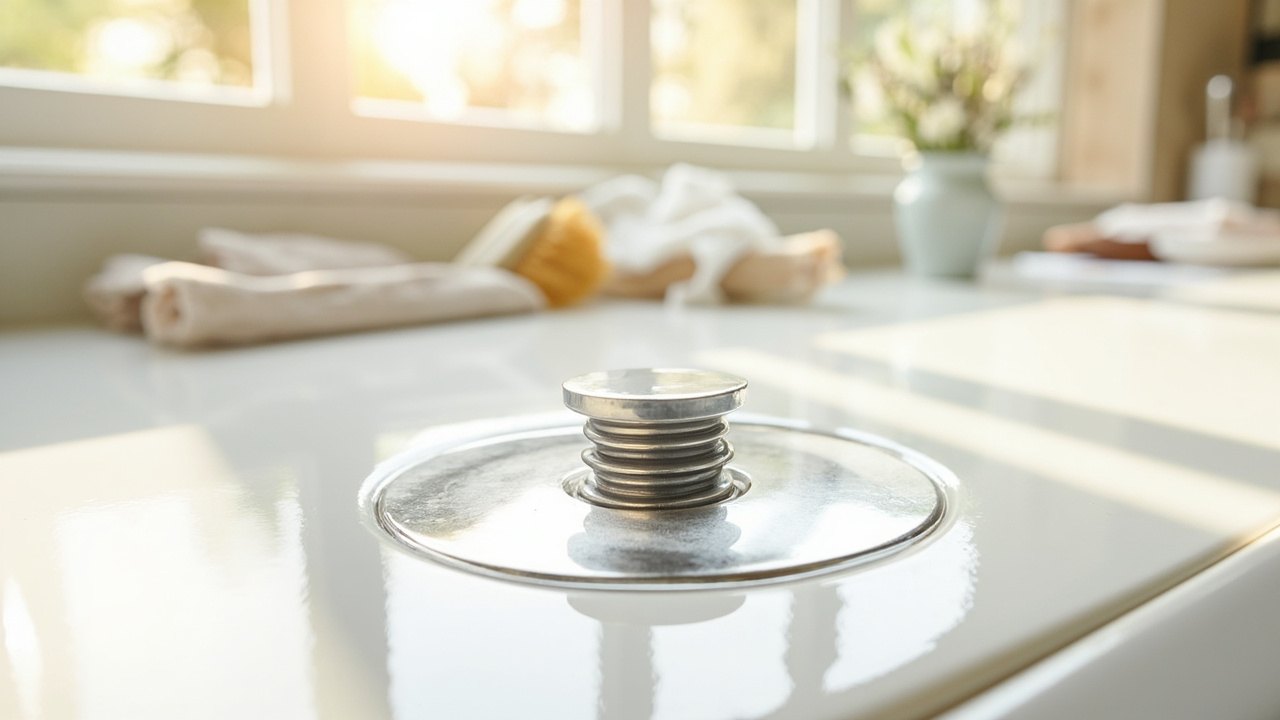
The practical answer to how to clean a sink drain is to remove the stopper and debris, flush the pipe with hot water, and use a baking soda-and-vinegar treatment for mild buildup. For deeper clogs, clean the P-trap carefully; stop and call a plumber if the blockage persists or comes from a pipe you cannot safely reach.
The short version
- Remove the stopper and clear visible hair or food with a drain tool.
- Boil a kettle, then pour the hot water slowly down the drain in two or three batches.
- For mild buildup, combine baking soda and vinegar, let them work, then flush with hot water.
- If the problem remains, shut off the water, empty the P-trap, and clean it without damaging the plumbing.
What do you need to clean a sink drain?
You need very little to handle most slow drains, plus a few protective items that make the job cleaner and safer. A pot of boiling water, baking soda, and white vinegar cover many ordinary buildup problems, while a plunger, adjustable wrench, and bucket help with stubborn clogs.
- Boiling water: Use a kettle or pot. Let it cool for several minutes if you might splash it on your skin, and never pour boiling water into a porcelain sink that is very cold.
- Baking soda: This mild abrasive helps loosen residue and deodorize the drain.
- White vinegar: It provides acidity that can break down some greasy or chalky deposits.
- Plunger: Choose a sink plunger with a flat rim so it seals against the basin.
- Drain tool: A flexible, hooked tool can pull hair and soap residue out of the stopper opening.
- Adjustable wrench and bucket: These are helpful if you need to remove a metal stopper or disconnect a P-trap.
- Old towels, gloves, and eye protection: Water, loosened debris, and trap fittings can make a small cleanup unpleasant.
Choose the right kind of plunger
A cup plunger is the best choice for most sinks because its flat edge creates a seal around the drain. A toilet plunger, which has a flange designed to fit inside a toilet bowl, usually seals poorly against a sink.
Before plunging, remove the stopper so the tool can press directly over the opening. If the sink has an overflow opening, cover it with a damp folded towel so pressure does not push water back through the overflow channel.
How do you clear a sink drain with hot water, baking soda, and vinegar?
Start with hot water and physical removal, because those steps solve more slow drains than any chemical product and carry little risk for ordinary plumbing.
- Remove the stopper. Lift it out if it is a flat plug, or turn the drain stopper counterclockwise until it loosens. Set it on the counter or in the sink so you can clean it later.
- Clear the opening. Use a bent wire, drain hook, or flexible tool to pull out hair, food particles, and soap scum. Avoid pushing debris farther into the pipe.
- Flush with hot water. Heat a kettle or pot of water to a rolling boil. After allowing it to cool briefly for safe handling, pour it slowly into the drain. Wait a few minutes and test whether water flows freely.
- Add baking soda. If the drain is still slow or smells musty, pour about half a cup of baking soda into the opening.
- Add white vinegar. Pour about one cup of white vinegar down the drain. The mixture will foam as it reacts, which is normal.
- Wait and flush. Let the mixture sit for 15 to 30 minutes, then flush with another kettle of hot water. The drain should empty more quickly afterward.
Why use hot water before other methods?
Hot water can melt soap and loosen grease that has collected inside the pipe. It also helps move small particles toward the sewer line. Repeated flushing is often more effective than one large pour, especially after the stopper and visible debris have been removed.
Do not confuse hot tap water with boiling water. Warm tap water may be enough for routine rinsing, but it may not fully melt hardened soap or grease. Boiling water works best when the drain and sink are already at room temperature, so avoid pouring it into a chilled porcelain basin.
Is baking soda and vinegar safe for the drain?
Yes, baking soda and vinegar are generally safer for household plumbing than caustic chemical cleaners, but they are not a cure for every blockage. The fizzing reaction loosens material; it does not create enough pressure to dislodge a tightly packed clog deep in the pipe.
If the drain continues to bubble slowly after treatment, do not keep repeating the mixture. Move on to plunging, P-trap cleaning, or professional help rather than adding more cleaner.
How do you remove a sink stopper and get hair out?
Removing the stopper gives you direct access to the drain and lets you pull out the debris that causes many bathroom sink clogs.
Remove a lift-and-turn stopper
- Place a folded towel around the stopper to improve your grip.
- Twist the stopper counterclockwise while lifting gently. Some stoppers also need to be pushed slightly inward before they release.
- Pull the stopper free and inspect the underside, where hair often winds around the post.
- Clean the stopper with an old toothbrush and rinse it over the sink.
Remove a flat or pop-up stopper
For a flat stopper that sits over the opening, pry it up carefully with a flat tool. Insert the tool under one edge and lift slowly so you do not scratch the sink or break the clip that holds it in place. If the stopper is attached to a chain or linkage beneath the sink, the removed piece may need to be disconnected before you can pull the entire assembly.
Pull out hair and residue
Insert a drain hook or flexible drain tool several inches into the opening, rotate it, and slowly pull it back out. You may find a clump of hair, toothpaste, soap, or small food scraps wrapped around the hook. Repeat until the tool comes out mostly clean.
For bathroom sinks, hair often collects not only at the stopper but also in the overflow opening. Remove the overflow cover, clean trapped strands from its slot, and rinse the cover before reinstalling it. Keep hair out of the drain by using a screened or mesh cover over the opening.
How do you clean a P-trap without breaking the pipe?
You can clean a sink P-trap by placing a bucket underneath, loosening the slip-joint nuts by hand, removing the curved section, and emptying it into the bucket before scrubbing away residue.
- Turn off the water. Open the faucet to confirm that the shutoff valve works, then close the valve again.
- Remove stored items. Clear the cabinet and place a bucket directly below the trap. Put old towels around the bucket to catch spills.
- Loosen the slip-joint nuts. Hold the pipe above the nut with a towel and turn the nut counterclockwise. Most plastic traps come loose by hand; metal nuts may require an adjustable wrench.
- Disconnect the trap. Ease the curved trap away from the sink tailpiece and the wall-side pipe. Water and debris may spill immediately, so lower the section slowly into the bucket.
- Clean the trap. Pour out the contents and use a bottle brush, pipe brush, or old toothbrush to remove sludge from the inside. Clean the slip-joint washers without damaging them.
- Reassemble the trap. Fit the clean sections back together, tighten the nuts evenly, and restore the water supply. Check beneath the sink for drips before closing the cabinet.
Know which pipe is which
The P-trap is the U-shaped section directly below the sink. It holds a small amount of water that blocks sewer gas from entering the room. The section leading to the wall is the drain pipe; the section rising from the curved trap connects to the sink.
If the trap uses a white plastic assembly, avoid excessive force. If you find a corroded metal trap, corroded fittings, a cracked pipe, or a nut that will not turn, stop and call a plumber. Forcing old plumbing can turn a routine clog into a damaged joint and a cabinet full of water.
Which sink drain cleaning method should you try?
Choose the least complicated method that matches the problem: physical removal for hair, hot water for grease, baking soda and vinegar for mild residue, a plunger for pressure clogs, and trap cleaning for settled debris.
| Method | Best for | What to expect |
|---|---|---|
| Manual removal | Hair and visible debris | Often clears the drain immediately |
| Hot water | Soap and light grease | Needs a slow, steady flush |
| Baking soda and vinegar | Mild buildup and odors | Foams, then rinses away |
| Sink plunger | Small pressure-related clogs | Requires a tight seal |
| P-trap cleaning | Debris settled in the bend | Can be done without chemicals |
| Plumber visit | Persistent or hidden blockages | Allows deeper diagnosis and safe repair |
How to plunge a sink drain
Fill the basin with enough water to cover the drain opening, then place the cup plunger over it. Push down firmly to expel trapped air, then pull up slightly. Repeat this pumping motion several times. After each group of strokes, check the drain and remove any debris that rises into the basin.
Plunging works best when water and air can move beneath the clog. If the plunger keeps losing its seal, add more water, use a smaller plunger, or apply petroleum jelly around the rim. Do not plunge if the drain is completely empty and the plunger cannot create a seal.
When should you call a plumber instead of cleaning the drain?
Call a plumber when the blockage persists after removing the stopper, flushing the drain, plunging, and cleaning the P-trap, or whenever you notice signs of a problem deeper in the plumbing.
- Several drains are slow or backed up. A shared blockage may be farther down the main drain line.
- Water backs up when you run another fixture. This suggests a more serious blockage or a venting problem.
- The sink drains, but water reappears. Trapped waste or a failed trap may be causing the return flow.
- You hear gurgling, smell sewage, or see moisture. These can indicate damaged joints, a failed trap, or sewer-gas intrusion.
- The pipe, nuts, or shutoff valve look damaged. Corroded metal and cracked plastic should be handled by a professional.
- The clog is beyond the P-trap. A plumbing snake or drain camera may be needed, and using the wrong tool can damage the line.
Be cautious with chemical drain cleaners
Caustic drain cleaners can dissolve grease and some clogs, but they can also generate heat, damage certain pipes and seals, irritate your eyes and lungs, and leave dangerous residue in the plumbing. Never combine them with bleach, ammonia, other drain products, or vinegar. The resulting chemical reactions can release toxic fumes.
Read the entire label, keep the room ventilated, and wear the recommended gloves and eye protection. Do not use a drain cleaner if you have a septic system unless the product specifically allows it. Most important, do not repeatedly pour strong chemicals into a drain after a physical method has failed; repeated heating and corrosion can make the next repair more expensive.
If you use a chemical cleaner, give it the label’s stated dwell time and flush with plenty of water. Never use a plunger immediately after a chemical cleaner unless the label says it is safe, because plunging can splash corrosive liquid out of the drain.
Common mistakes to avoid
- Using boiling water on a very cold sink. Sudden temperature change can crack porcelain or glazed ceramic.
- Pushing hair farther into the pipe. Use a hooked tool to pull debris toward you instead.
- Mixing drain chemicals. Bleach, ammonia, vinegar, and acid-based cleaners can create dangerous fumes.
- Over-tightening the P-trap. Hand-tight plastic fittings are usually enough; excessive force can split the joint.
- Ignoring recurring backups. A drain that fails repeatedly may have a blockage or defect beyond the basin.
- Using a toilet plunger in a sink. Its shaped rim may not seal against the sink and is unlikely to create useful pressure.
Frequently asked questions
How do you clean a sink drain with baking soda and vinegar?
Remove the stopper and any visible debris first. Pour half a cup of baking soda into the drain, follow with one cup of white vinegar, wait 15 to 30 minutes, then flush with hot water. This method works best on mild residue rather than a hard blockage.
What is the best way to remove hair from a sink drain?
Pull out the stopper and use a drain hook or flexible tool to extract the hair in small clumps. Clean the stopper and overflow opening too, since strands often collect around both pieces. Install a mesh cover afterward to catch new hair before it enters the pipe.
Can I use boiling water to clean a sink drain?
Yes, boiling water can help melt soap and grease, but pour it slowly and let it cool enough to handle safely. Do not use it on a chilled porcelain sink or if you suspect the blockage is caused by a fragile object that could be pushed farther down.
Why is my sink drain still slow after cleaning the stopper?
The debris may be deeper in the pipe, inside the P-trap, or connected to another clogged fixture. Try hot water and a sink plunger, then clean the P-trap if you are comfortable doing so. If the problem persists or other drains show the same issue, call a plumber.
Your next step is simple: remove the stopper, pull out what you can see, and flush the drain with hot water. Work down to plunging and P-trap care only if needed, and stop before chemical cleaners or plumbing repairs become necessary.