How to Save Money on Air Conditioning This Summer
Learn how to save money on air conditioning with smarter thermostat settings, practical maintenance, sealing, shading, fan use, and schedules that cut waste.
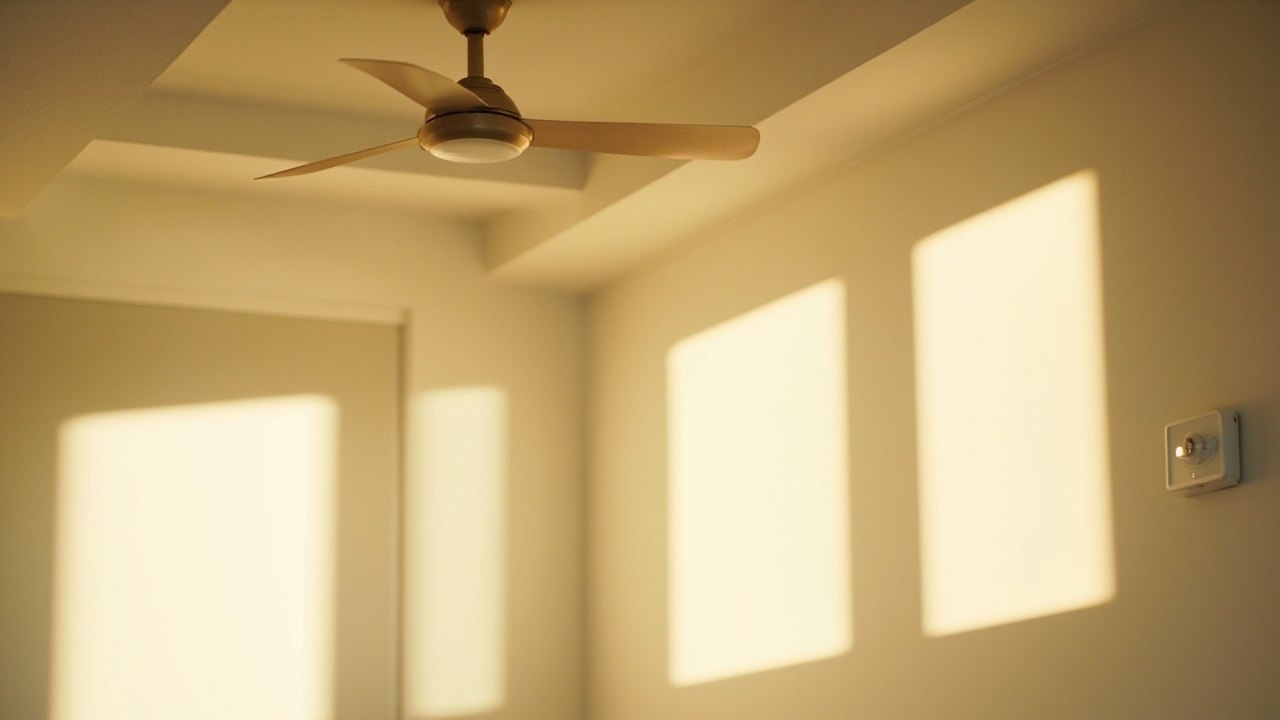
If you want to know how to save money on air conditioning, set the thermostat to 78°F when you are home, use fans and shading, keep the system maintained, seal air leaks, and automate temperature schedules while keeping the room comfortable.
The short version
- Set the thermostat to 78°F when home and raise it when away.
- Use ceiling and floor fans to improve comfort without lowering the thermostat.
- Close blinds during the day, especially on sunny sides of the home.
- Clean the system, replace dirty filters, seal obvious air leaks, and use a schedule.
What are the best thermostat settings for how to save money on air conditioning?
The Department of Energy recommends setting the thermostat to 78°F when you are home during summer and changing it when the house is empty or you are asleep.
For most people, 78°F offers a reasonable balance between comfort and energy use. If that feels too warm, choose a slightly lower setting and accept a larger cooling bill. If you can sleep comfortably at a higher temperature, raise the thermostat before bed instead of cooling the entire house all night.
When you leave, raise the setting rather than leaving the system cooling an empty space at your usual daytime temperature. There is no need to turn the air conditioner completely off for every short trip, but a longer absence is a good reason to use an away setting or a smart schedule.
A simple three-part routine
- At home during the day: Start at 78°F and adjust according to your comfort.
- When everyone leaves: Raise the thermostat by several degrees or use the system’s away setting.
- At night: Keep the same daytime setting if you sleep comfortably; otherwise make a small adjustment rather than creating a large temperature swing.
A programmable or smart thermostat makes this routine easier, but it only helps if the schedule reflects your real habits. For anyone asking how to save money on air conditioning, changing a few degrees on a schedule is often more useful than constantly adjusting the thermostat during the day.
How can ceiling fans and floor fans reduce cooling costs?
Fans help you feel cooler by moving air across your skin, allowing you to keep the thermostat at a higher setting without sacrificing as much comfort.
Set a ceiling fan to blow air upward during summer, which is usually counterclockwise when viewed from below. The setting can differ with the fan’s design, so follow its instructions if the airflow feels wrong. A floor fan can create a similar effect near the seating area.
Use fans strategically
- Run a fan in the room where people are sitting rather than trying to cool unused spaces.
- Turn off fans in empty rooms and when the air conditioner is already moving plenty of air through the house.
- Do not leave a ceiling fan running on high in an empty room.
- Keep doors to cooled rooms closed so the system does not condition air that then flows into unused areas.
For people learning how to save money on air conditioning, fans should support the thermostat, not replace it. Fans do not lower the temperature of a room. They may let you use a higher thermostat setting, which can reduce the amount of cooling the equipment needs to provide.
What is the cheapest way to keep a room cooler?
Shade the sun before it reaches the windows, close blinds during the hottest part of the day, and open them again when outdoor temperatures cool.
Solar heat can raise indoor temperatures and make the air conditioner work harder. Curtains, blinds, and awnings reduce that gain, especially on west- and south-facing windows. Light-colored curtains that reflect sunlight can also help, although the window covering’s material and fit matter more than its color alone.
Make shading work harder
- Close blinds or curtains in rooms that receive direct afternoon sun.
- Keep blinds closed during the day if the outside temperature is higher than the indoor temperature.
- Open them after sunset or in the early morning when the outdoor air is cooler.
- Use a fan near a shaded window to move cooler air into the room.
Do not block outdoor condensing units with plants, debris, or stored objects. They need clearance to release heat. If a nearby tree or shrub shades the unit, trim it carefully when appropriate, but avoid removing shade that protects the equipment from direct sun without considering airflow and local guidance.
How often should you clean filters and service the air conditioner?
Keep the air filter clean and replace it according to the manufacturer’s instructions, or sooner if it becomes dirty quickly because of dust, pets, or construction.
A restricted filter makes the system work harder and can reduce airflow. Check the filter every few months during heavy cooling seasons. If you cannot remember when it was last changed, replacing it with the correct size is a sensible first step.
Include a few basic maintenance tasks
- Check the filter: Remove and inspect it according to the unit’s instructions.
- Clean accessible surfaces: Gently remove visible dust from the indoor unit and outdoor coil as directed by the manufacturer.
- Look at the drain line: Confirm that the condensate drain is not clogged and place a pan beneath the condensate outlet if the manual recommends one.
- Clear the outdoor unit: Remove leaves and other debris without bending fins or disturbing electrical parts.
- Listen for changes: Notice unusual noise, weak airflow, water leaks, or a thermostat that stops responding.
Turn off power and follow the equipment manual before touching components you are not comfortable servicing. If a problem persists, contact a qualified HVAC professional. Knowing how to save money on air conditioning includes avoiding damage that can turn a small maintenance issue into a large repair.
How do air leaks and open rooms increase cooling bills?
Leaks around windows, doors, attic openings, and duct connections let conditioned air escape while pulling warm outdoor air inside, making cooling less efficient.
Start with the simplest improvements you can inspect safely. Close obvious gaps around window frames and doors, add weather-stripping where needed, and use a draft stopper beneath an exterior entry door. For outlets, plates with a small gap can sometimes be fitted with inexpensive foam gaskets made for that purpose.
Separate room-level and duct-level leaks
If one room is always much warmer than the rest of the house, check whether interior doors are open, whether vents are blocked by furniture, and whether a window is letting in direct sun. These problems are usually easier to fix than hidden duct damage.
Do not seal vents permanently. Blocking a supply or return vent can disrupt airflow and create pressure problems throughout the system. If you suspect a duct connection is leaking, have it inspected before making repairs. Duct work inside attics, crawl spaces, or walls can involve hazards and should not be improvised without proper guidance.
For anyone focused on how to save money on air conditioning, sealing obvious room-level leaks is a good first project. Larger duct repairs may require professional assessment, but they can also prevent cooled air from escaping into areas the house does not need to cool.
How can smart schedules and apps help you use less air conditioning?
A smart thermostat can follow a consistent routine, notify you when the system is not operating as expected, and adjust settings when the house should be empty or occupied.
Start with three schedules: home, away, and sleep. Add or adjust them through the thermostat’s app or built-in controls. In the app, look for scheduling, notifications, energy-use history, and equipment-status features; menu names vary by device and software version.
Build a schedule that matches your day
- Set the home schedule to begin shortly before the first person arrives.
- Use an away setting during work hours or other periods when the house is empty.
- Set a sleep schedule that keeps the house comfortable overnight without unnecessary cooling.
- Review notifications for a clogged filter, a disconnected component, or a system that appears to have stopped.
Some systems also support location-based or phone-based away detection. These features can be helpful, but they are not foolproof. Test them and keep a manual override available. Before using a router or smart-home app, open its main controls and follow the setup guide; specific menus differ by device and version.
What should you do if cooling costs still feel too high?
Work from the lowest-effort changes first, then consider professional assessment, equipment upgrades, or insulation improvements if the building itself is losing heat rapidly.
Use this checklist to decide what deserves attention next:
| Action | Effort | Main benefit | Best time |
|---|---|---|---|
| Adjust thermostat schedules | Low | Less cooling in empty rooms | Start now |
| Add window shading | Low | Reduces indoor heat gain | Before peak summer heat |
| Clean or replace filters | Low | Improves airflow | Every few months as needed |
| Seal visible room leaks | Low to moderate | Keeps cooled air indoors | During a mild, dry period |
| Inspect ducts or equipment | Professional | Addresses hidden efficiency issues | When warning signs persist |
If cooling is efficient but the home stays hot despite a reasonable thermostat setting, consider improving insulation, shading, or ventilation. If the equipment is old, repeatedly repaired, or no longer cooling effectively, compare the cost of continued repairs with the cost of a properly sized replacement. A professional assessment can help you avoid paying for a larger system than the home needs.
Common mistakes to avoid
- Setting the thermostat much lower than necessary: Extra cooling rarely feels proportionally better and can increase energy use.
- Cooling an empty house: Use an away schedule whenever the household is away for an extended period.
- Running fans in every room: Fans improve comfort where people are, but they do not cool empty spaces.
- Leaving blinds open in direct sun: Shades can block substantial heat gain for very little effort.
- Ignoring filters and basic upkeep: Dirty filters and blocked airflow can make a healthy system work harder.
- Closing every vent: The system needs balanced airflow, so avoid sealing supply or return openings.
Frequently asked questions
Should I turn off the air conditioner when I leave home?
For a short absence, leaving the system on at a normal or slightly raised setting may be more practical than changing it. For a full workday or longer trip, use an away schedule so the system does not cool an empty house as if someone were there.
Can a ceiling fan replace the air conditioner?
No. A ceiling fan moves air and makes people feel cooler, but it does not remove heat from the room. It can reduce the need for air conditioning by helping you tolerate a higher thermostat setting.
How often should I replace my air-conditioning filter?
Follow the filter and equipment manufacturers’ guidance, and check it more often if you have pets, dust, or frequent need for cooling. Replace it when it is noticeably dirty or when airflow begins to weaken. A clean filter is one of the simplest ways to protect system efficiency.
Is 78°F too hot to use air conditioning?
Many households find 78°F comfortable, especially with fans, shade, and good airflow. Personal comfort, humidity, health needs, and the design of your home all matter. The goal is to find the highest setting that remains comfortable rather than treating one temperature as mandatory for everyone.
Start today by choosing a thermostat schedule, checking the filter, and closing the blinds on your sunniest window. Those three small changes can make a noticeable difference in how to save money on air conditioning without making the house feel unpleasant. This is general information, not financial advice.