Small Guest Bedroom Ideas That Make Visitors Feel Welcome
Small guest bedroom ideas for better sleep, clever storage, warm hospitality, flexible layouts, lighting, and budget-friendly upgrades for any spare room.
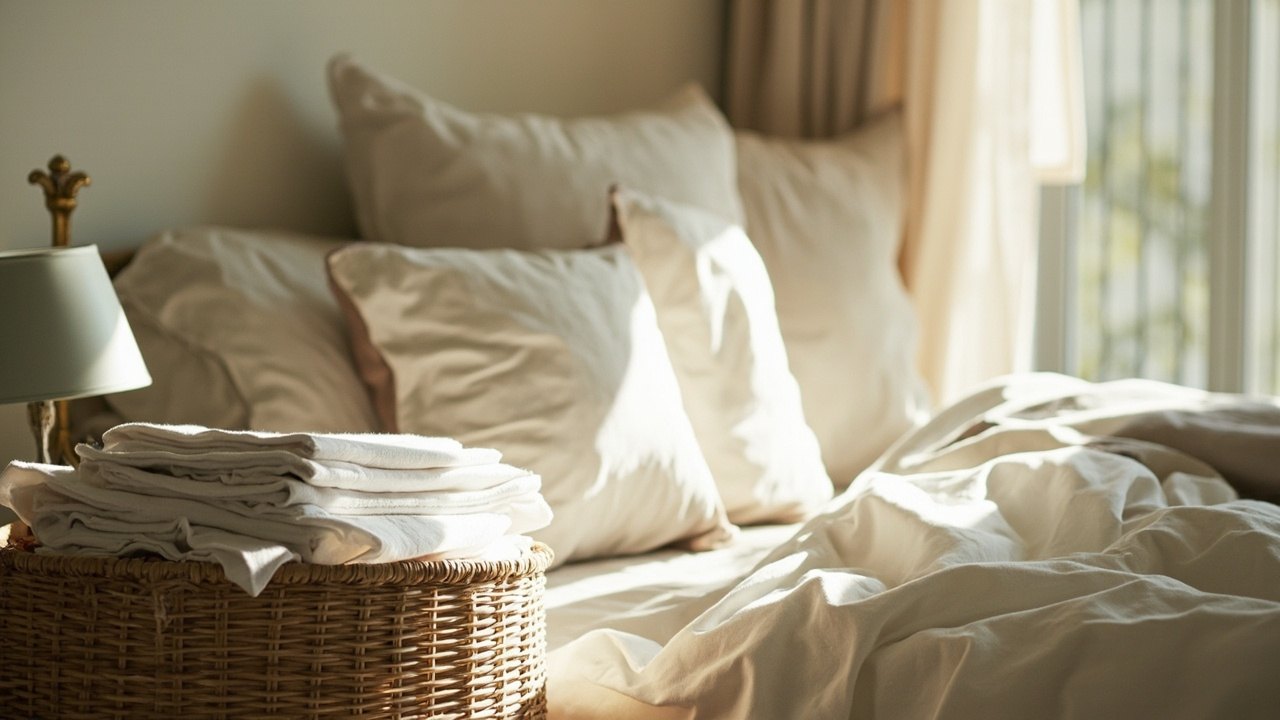
Small guest bedroom ideas can make a tight spare room comfortable, practical, and welcoming without crowding the only bed you own. The best layout pairs a real sleeping option with hidden storage, soft lighting, easy-to-reach essentials, and a few personal touches that help visitors feel at home rather than accommodated.
The short version
- Choose a daybed or sleeper sofa when floor space must stay flexible.
- Use under-bed drawers, wall hooks, and a narrow console instead of bulky furniture.
- Keep fresh towels, extra lighting, and a simple water station ready for arrivals.
- Layer dimmable light, breathable bedding, and one familiar decorative accent.
What Are the Best Small Guest Bedroom Ideas for Sleeping?
The most comfortable sleeping choice depends on how often the room is used and how much space you need during the day. A daybed works well in a dedicated guest room, while a sleeper sofa is useful if the space must also serve as an office or sitting area.
- Measure before buying. Check the wall, door swing, and available floor space. Leave enough room to open drawers, make the bed, and walk around the sleeping area without scraping furniture.
- Decide whether comfort or flexibility comes first. A traditional bed usually feels more restful, but a daybed or sleeper sofa gives the room a second function when no guest is staying.
- Plan for the bedding. Consider a daybed with a pull-out drawer, a sofa bed that opens without blocking the doorway, or a platform bed with storage underneath. Make sure the mechanism can be operated comfortably by one person.
- Add one bedside surface. A slim table, wall-mounted shelf, or narrow floating nightstand gives guests a place for a phone, water, and a book without taking over the room.
Compare the main sleeping options
| Option | Best for | Space advantage | Consider |
|---|---|---|---|
| Daybed | Dedicated guest rooms | Doubles as seating | Mattress comfort and bedding storage |
| Sleeper sofa | Flexible rooms | Functions as a sofa by day | Opening clearance and sleeping surface |
| Twin or full platform bed | Frequent overnight guests | Simple, familiar layout | Under-bed storage |
| Wall bed | Very tight rooms | Nearly disappears when closed | Installation and daily operation |
For most readers, a daybed is the easiest place to start because it provides a defined sleeping zone without feeling like furniture is floating in the room. If the room must work as a living space during the day, a sleeper sofa offers more flexibility. Test the mechanism before committing, and check the manufacturer’s care and clearance instructions.
How Can You Add Storage Without Making the Room Feel Cramped?
Small guest bedroom ideas work best when storage is fitted into the room’s edges and hidden where possible. The goal is not to create a miniature bedroom full of cabinets; it is to keep the few things guests need organized and easy to find.
- Use the space under the bed. Vacuum bags, lidded bins, rolling drawers, or a hydraulic lift frame can hold spare blankets, seasonal linens, and luggage. Keep the most frequently used items closest to the opening.
- Add vertical storage. A narrow shelving unit, pegboard, or row of hooks uses wall height that would otherwise remain empty. Hang robes, tote bags, and hats instead of leaving them on furniture.
- Choose a shallow console. Place it behind the door or beside the bed if the doorway allows. A slim surface can hold a basket of towels, a small lamp, and a bowl for guest essentials.
- Choose matching containers. Neutral bins make mixed items look intentional and allow the display to change with the season. Labeling also helps family members put everything back correctly.
A full-length mirror mounted on the door can provide a useful reflection without taking up floor space. A small luggage bench near the closet doubles as a landing place for bags, shoes, and a robe. If your closet is deep, an organizer or over-door rack can keep hangers from crowding the main rail.
What Hospitality Details Make a Small Guest Room Feel Welcoming?
Hospitality comes from having what visitors need ready and from making the room feel considered. These small guest bedroom ideas are inexpensive and easy to refresh between stays.
- Prepare a simple landing area. Place a clean hand towel, washcloth, and extra pillow near the bed. A small tray or basket can keep these items together without looking like a hotel display.
- Offer two light sources. Put a task lamp on the bedside surface and keep a brighter ceiling or wall light available for cleaning. Dimmable lighting is especially helpful in a compact room.
- Stock only useful basics. A carafe with water and two cups is enough for a short stay. Store a few toiletries in a small bin rather than displaying an oversized amenity collection.
- Add a personal note. A card with the Wi-Fi information, house rules, nearby breakfast options, and simple directions adds more warmth than an elaborate decoration.
- Make the temperature adjustable. A fan, layered bedding, and easy access to a thermostat let guests adapt the room without needing help.
Freshness matters more than decoration. Wash the bedding, empty the wastebasket, dust visible surfaces, and replace the hand towel before each arrival. A clean room with familiar objects and practical supplies will make a visitor feel more welcome than a perfectly staged but impersonal one.
How Can the Room Work for More Than One Purpose?
A guest bedroom can support several uses when every piece has a clear daytime and nighttime role. These small guest bedroom ideas are especially useful in apartments, homes with limited storage, or rooms that must accommodate visitors while family members still need a workspace.
- Choose furniture that changes function. A daybed can become a bench or sofa, while a sleeper sofa closes into a daytime seat. A storage ottoman can hold blankets and serve as a footrest or extra seat.
- Create a compact work zone. Use a slim desk that fits across one wall, a fold-down surface, or a laptop table that tucks beside the bed. Add a small drawer for chargers and stationery.
- Keep the floor mostly clear. This makes moving between the bed, desk, and door feel easier and allows the room to change function quickly. A narrow side table can move as needed.
- Use removable organization. A rolling cart near the bed can hold a book, water, and breakfast items, then move beside the desk when the room becomes an office.
Good multi-use rooms are edited, not overloaded. Every object should earn its place, and the sleeping area should still feel intentional when it is needed. For example, a wall-mounted charging shelf keeps cords off the desk, while a bedside book ledge saves a bulky nightstand.
What Lighting Makes a Small Guest Bedroom Cozy?
The best lighting combines a soft overhead option with focused bedside light, making the room usable for both practical tasks and relaxation. Aim for a balanced look rather than a single harsh fixture.
- Improve the ceiling light. If the existing fixture is dated, a simple shade can soften it. A flush-mounted fixture may free visual space, but check that it does not crowd the bed or reduce headroom.
- Place light where it is needed. A reading lamp should illuminate the pillow without shining directly into the sleeper’s eyes. A wall-mounted swing-arm lamp is useful when the nightstand is too small.
- Layer the atmosphere. A dimmable lamp, a string light, or a small uplight can make the room feel calmer. Keep decorative lighting away from bedding and follow the product’s safety instructions.
- Use light-colored textiles and walls. Pale neutrals reflect available light and can make the room feel more open. One darker accent gives the space depth without making it feel visually crowded.
Daylight also matters. Keep window treatments simple: lined curtains or a Roman shade can soften glare while preserving the sense of an opening. Avoid heavy blackout layers unless guests regularly need complete darkness; a room with a visible source of light usually feels more comfortable and less cave-like.
What Budget-Friendly Upgrades Can You Make First?
You do not need new furniture to improve a small guest bedroom. Begin with items that make the bed comfortable and the room easier to use, then add decorative touches after the layout works.
- Improve the mattress support. A good-quality mattress topper, breathable sheets, and two firm pillows can change the feel of a temporary bed. Check all linens fit before the first guest arrives.
- Create storage from what you own. An old bedside table may be refinished, and a wooden crate can serve as a rustic nightstand if it is stable and wide enough to use safely.
- Revive existing furniture. New hardware, a coat of paint, or updated drawer pulls can make a mismatched piece look coordinated. Work carefully and follow the product instructions.
- Borrow flexible pieces. A folding luggage stand, nesting table, or slim floor lamp can be stored elsewhere and brought in for guests.
- Buy in stages. Add the bed first, then lighting and storage, and finish with a small artwork or mirror. Live with the room for a week before buying more.
Use what you already have where it makes sense, but avoid forcing a large item into a small room. A piece that fits perfectly but blocks the radiator, closet, or walkway is not a bargain. Measure openings and leave access to heating, ventilation, and electrical outlets.
Common Mistakes to Avoid
- Buying furniture before measuring. Check doorways, stairways, ceiling height, and walking clearance, especially for a daybed or wall bed.
- Leaving only one overhead light. Guests need flexible illumination for reading, unpacking, and getting ready.
- Using the room as a storage closet. Keep enough open surface and clear floor space for a guest to settle in.
- Choosing a sleeping setup that is difficult to make. Test the bed or sofa, including the pull-out mechanism, before the guest arrives.
- Displaying too many small objects. Group practical items in a tray or basket so the room still feels calm.
- Ignoring comfort details. Supportive pillows, breathable bedding, accessible outlets, and a bedside surface often matter more than decorative furniture.
- Skipping the reset between stays. Replace towels, empty the trash, and return supplies to their designated places.
Frequently asked questions
What is the best bed for a very small guest bedroom?
A daybed or sleeper sofa is usually best when the room needs to perform more than one job. If guests stay regularly and the room is dedicated to sleeping, a standard twin or full bed with under-bed storage is often the most comfortable choice.
How do you fit a bed and storage in a tiny room?
Keep the main sleeping furniture simple, then use the space beneath it for bulky linens and luggage. Wall hooks, an over-door organizer, and one narrow shelving unit add storage without requiring several freestanding pieces.
How much storage should a guest bedroom have?
Plan for the length of your visits. A weekend guest may need space for a carry-on, clean clothing, and a few toiletries, while longer stays require more room for shoes and laundry. A suitcase bench, hooks, and under-bed storage cover many needs.
How can I make a small guest room feel less crowded?
Use a consistent color palette, keep furniture off the floor where practical, and limit accessories to one or two grouped displays. Pale walls, layered lighting, and simple window treatments make the room feel brighter. If you need more flexible small guest bedroom ideas, choose pieces that can be moved or stored when the room is not in use.
Start by measuring the room and deciding whether sleep or flexibility matters most. Then prepare the bed, assign a place for luggage and towels, and add one warm detail; those three steps will make your guest room feel ready for its next visitor.