Shower Cleaning Hacks for Glass, Grout, and Soap Scum
Practical shower cleaning hacks for glass, grout, soap scum, showerheads, and mold prevention, with safe mixing advice and a simple weekly routine.
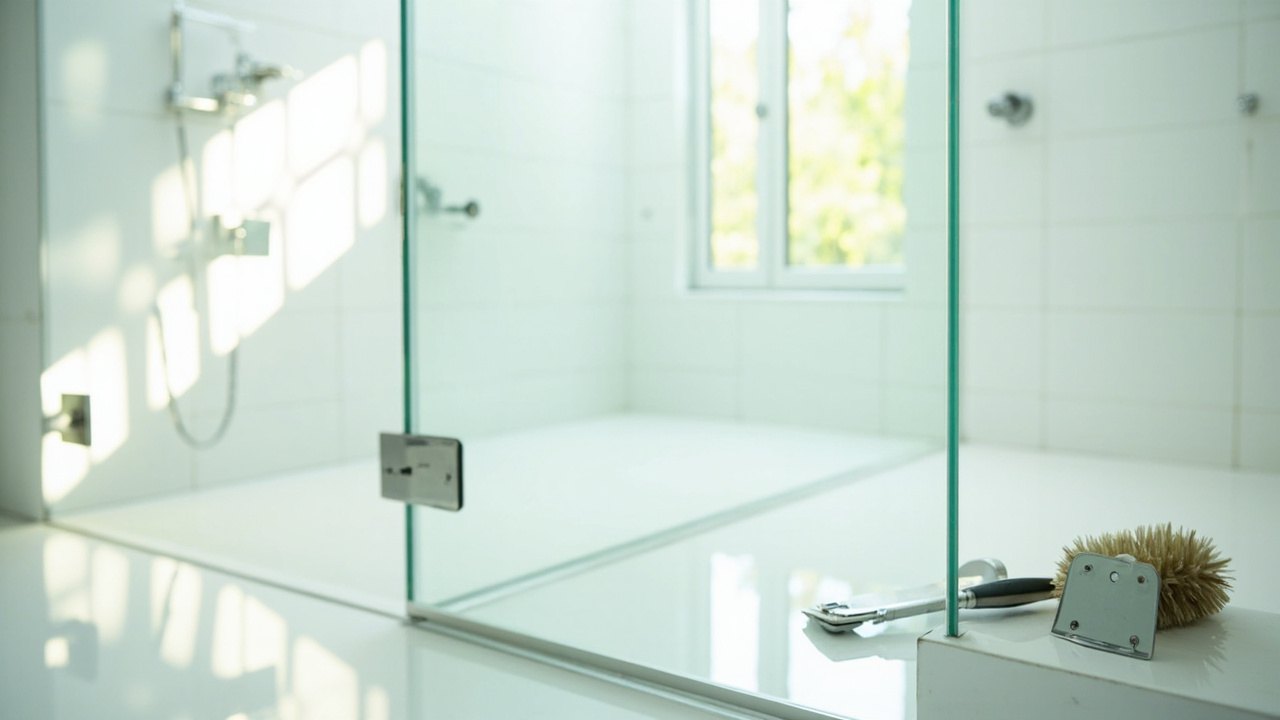
Shower cleaning hacks work best when they match the problem: squeegee glass after use, wash soap scum with mild detergent, scrub grout, descale the showerhead, and dry wet surfaces. Use vinegar carefully, and never combine bleach with vinegar, ammonia, or other cleaners.
The short version
- Squeegee the glass and wipe fittings after every shower.
- Use warm water, dish soap, and a microfiber cloth for routine soap scum.
- Scrub grout with a narrow brush and a baking-soda or mild-dish-soap paste.
- Soak the showerhead in a vinegar solution, then rinse and flush it regularly.
How do you keep shower glass clear and streak-free?
The fastest way to keep shower glass clear is to remove water and residue before they dry, rather than waiting for a weekly deep clean.
- Squeegee from top to bottom. Start at the highest part of the glass and work downward with light, overlapping strokes. This prevents dirty water from being pushed across the lower panels.
- Wipe the bottom edge. Use a microfiber cloth or a squeegee with a small blade to collect water that collects along the frame, curb, and door seal.
- Dry the metal and plastic fittings. A quick pass with a clean cloth reduces water spots on the handle, faucet, showerhead, and trim.
- Ventilate the room. Run the exhaust fan or leave the door open while showering and for a short time afterward, if the layout allows.
If the shower has a door, check the seal and the inside edge of the door for trapped soap. A neglected strip can keep the glass wet even when the main panels are squeegeed.
How to remove stubborn water spots
Warm water and a drop of mild dish soap are often enough for fresh marks. Apply the solution with a soft cloth, let it sit briefly, and rinse with clean water. For a more stubborn patch, a product formulated for glass and mineral deposits may help; follow its label and test it on a small hidden area first.
These shower cleaning hacks are especially effective on frameless glass because there is less trim to trap residue. On framed enclosures, clean the rubber seals and the narrow channels where the panels meet.
What do you need to remove soap scum?
Soap scum is best removed with warm water, mild detergent, and steady mechanical scrubbing; harsh treatment is rarely necessary for routine buildup.
- Dish soap: Add a small amount to warm water in a spray bottle or bowl. A few drops are usually enough.
- Microfiber cloth: Use one section for the solution and another clean section for the final rinse and polish.
- Soft brush: Choose a toothbrush for details or a longer, soft-bristled brush for broad panels and ledges.
- Plastic or nylon scrubber: This can spread grime without scratching most glass and acrylic surfaces.
- Wet the affected area with warm water.
- Apply the diluted dish soap and allow it to sit for several minutes.
- Scrub in small circles, working from the top downward.
- Rinse thoroughly and dry with a clean microfiber cloth.
Never use a metal scraper, abrasive pad, or gritty cleanser on glass, acrylic, chrome, or plastic fixtures. These can scratch the surface and leave marks that are harder to remove later.
For heavier residue, a vinegar solution may be more effective than plain soapy water. Mix equal parts plain white vinegar and water, apply it with a cloth, wait briefly, and rinse well. Do not use vinegar on natural stone unless the stone’s care instructions specifically allow it.
How do you clean grout without damaging it?
Grout becomes clean when you use enough water to loosen the dirt, the right brush to reach the lines, and several rinse cycles to carry the loosened material away.
- Make a mild paste. Combine baking soda with a small amount of water, or use a paste made from baking soda and a few drops of mild dish soap.
- Apply it along the grout lines. Use an old toothbrush or a grout brush to spread the paste evenly.
- Scrub gently but thoroughly. Short back-and-forth strokes work well on vertical grout. Avoid pressing hard enough to wear away the grout’s surface.
- Rinse in stages. Spray or pour clean water over the lines, let the dirty water run into the drain, and repeat until the paste and loosened soil are gone.
- Dry the grout. Use a clean towel or allow good airflow to help prevent new moisture problems.
For deeply discolored grout, a cleaner labeled for grout may be more appropriate than aggressive scrubbing. Some products are acidic or strongly alkaline, so read the directions, protect adjoining surfaces, and rinse according to the label.
Do not assume a strong acid is safe for every tile. Some colored grout, cement-based products, and natural stone can discolor, etch, or weaken. If you do not know what your shower is made from, start with the mild paste method.
How do you descale a showerhead?
Most mineral buildup comes from hard water, and a warm vinegar soak can loosen the deposits before you brush or rinse them away.
- Check for removable parts. Unscrew the showerhead only if it is designed to come off. Do not force a fixed model.
- Soak the head. Place it in a container filled with warm water and add enough plain white vinegar to cover the mineral deposits. Many people use a roughly one-to-one vinegar-to-water solution for routine soaking.
- Wait, then work gently. Let the head soak for several hours, then use a soft toothbrush around the nozzles and behind the faceplate.
- Rinse and flush. Rinse the parts under running water and briefly run the shower to flush out remaining deposits.
- Dry the fittings. Wipe the handle and arm with a soft cloth so they do not develop new water spots.
If the showerhead has a rubber nozzle face, check the manufacturer’s care instructions before soaking the entire unit. A removable spray plate can often be soaked separately, but seals, hoses, and electronic components may have different requirements.
If white, chalky deposits return quickly, consider having the water checked for hardness. Descaling the head and cleaning the glass more often can help, but treating the water supply may address the larger cause.
How do you prevent mold and mildew in a shower?
Shower cleaning hacks that prevent mold focus on three things: remove soap and dirt, eliminate standing moisture, and correct the conditions that keep surfaces wet.
- Clean soap residue from corners and seams. Pay special attention to the tub junction, drain area, and spaces behind fixtures.
- Keep the curtain or door open. After showering, move a wet shower curtain away from the wall and leave the door open until the area dries.
- Run the exhaust fan. Use it during the shower and for a short period afterward. If it is noisy or weak, clean the grille and check that it is operating.
- Repair leaks. A dripping faucet or failed caulk line keeps the shower enclosure wet. Replace loose caulk only after the old material is removed and the area is dry.
- Wash reusable bath mats. Launder them according to their care label and let them dry completely before use.
For small areas of surface mildew, a cleaner labeled for bathroom mildew can be useful. Apply it exactly as directed, keep the area ventilated, and rinse surfaces that require rinsing. Wear gloves and avoid breathing concentrated spray.
Do not mix bleach with vinegar, ammonia, acidic descalers, or other cleaning products. Gas or harmful vapors can form, and the combination may splash corrosive liquid onto the shower. If you start a task and are unsure what is already in the spray bottle, stop and replace the contents with clean water and a fresh, labeled solution.
What is the best cleaning routine for a busy shower?
A short daily routine followed by a focused weekly cleaning prevents most buildup and makes each deeper task faster.
| Surface | Frequent care | Weekly care | Main tool |
|---|---|---|---|
| Glass and tile | Squeegee and dry | Wash and rinse | Microfiber cloth |
| Soap scum | Wipe visible residue | Soak and scrub | Soft brush |
| Grout | Dry splashes promptly | Scrub and rinse | Grout brush |
| Showerhead | Wipe after use | Flush or descale | Soft toothbrush |
| Seals and corners | Keep dry when possible | Clean and inspect | Small brush |
For a weekly clean, work in this order: showerhead, glass and tile, grout, then the tub or pan. Cleaning from the top downward reduces the chance of carrying dirty water over surfaces you have already finished.
Allow the shower to dry before the next use if possible. Ventilation is useful, but a fan does not replace physical cleanup; trapped debris and damaged seals can continue to hold moisture even when the room feels ventilated.
Common mistakes to avoid
- Mixing bleach with vinegar, ammonia, or acids. Never combine these products, even if one has already dried in the area; rinse the surface thoroughly before using a different cleaner.
- Using abrasive tools on glass. Metal blades, rough pads, and gritty powders can scratch surfaces permanently.
- Leaving cleaners to dry. Many bathroom cleaners need a dwell time, but that does not mean they should remain on the surface. Follow the label and rinse as directed.
- Cleaning only the visible glass. Soap residue often survives in door tracks, rubber seals, handle bases, and the tub-to-wall joint.
- Scrubbing grout too aggressively. More pressure does not necessarily mean more cleaning and can wear down the joint.
- Using the same cloth for dirt and polishing. Keep a clean section for the final dry pass so you do not redeposit residue.
Frequently asked questions
What is the fastest way to clean a shower?
Spray the affected surfaces with warm, soapy water, let the solution loosen the buildup, and scrub the glass, tile, and grout with suitable brushes. Rinse from top to bottom, squeegee the glass, and dry the fittings before you finish.
Does vinegar really remove soap scum from a shower?
Yes, vinegar can help dissolve soap and mineral deposits when used warm and diluted appropriately. Apply it to soap scum, allow a short contact time, then scrub and rinse thoroughly. Do not use it on natural stone unless the care instructions permit it, and never mix it with bleach.
Can baking soda clean shower grout?
Baking soda mixed with water or a little mild dish soap can help lift ordinary grime from grout lines. Scrub with a narrow brush, rinse in stages, and dry the lines. Discoloration that persists may require a grout-specific cleaner or professional restoration.
How often should I clean shower mold and mildew?
Clean visible growth as soon as you notice it, and keep nearby surfaces dry to discourage new growth. If a treated area becomes wet again quickly, inspect the caulk, seals, ventilation, and any leaks. Deep or recurring mold may need professional assessment rather than repeated surface cleaning alone.
Start tonight by squeeeging the glass, wiping the fittings, and checking the showerhead for buildup. Those three quick steps will make the next full cleaning faster and keep your shower fresher between deep cleans.