Microwave Cleaning Hacks: Steam, Lemon, and No Scrubbing
Microwave cleaning hacks using steam, lemon, vinegar, and baking soda to remove grease, odors, stains, and stuck-on food without harsh chemicals.
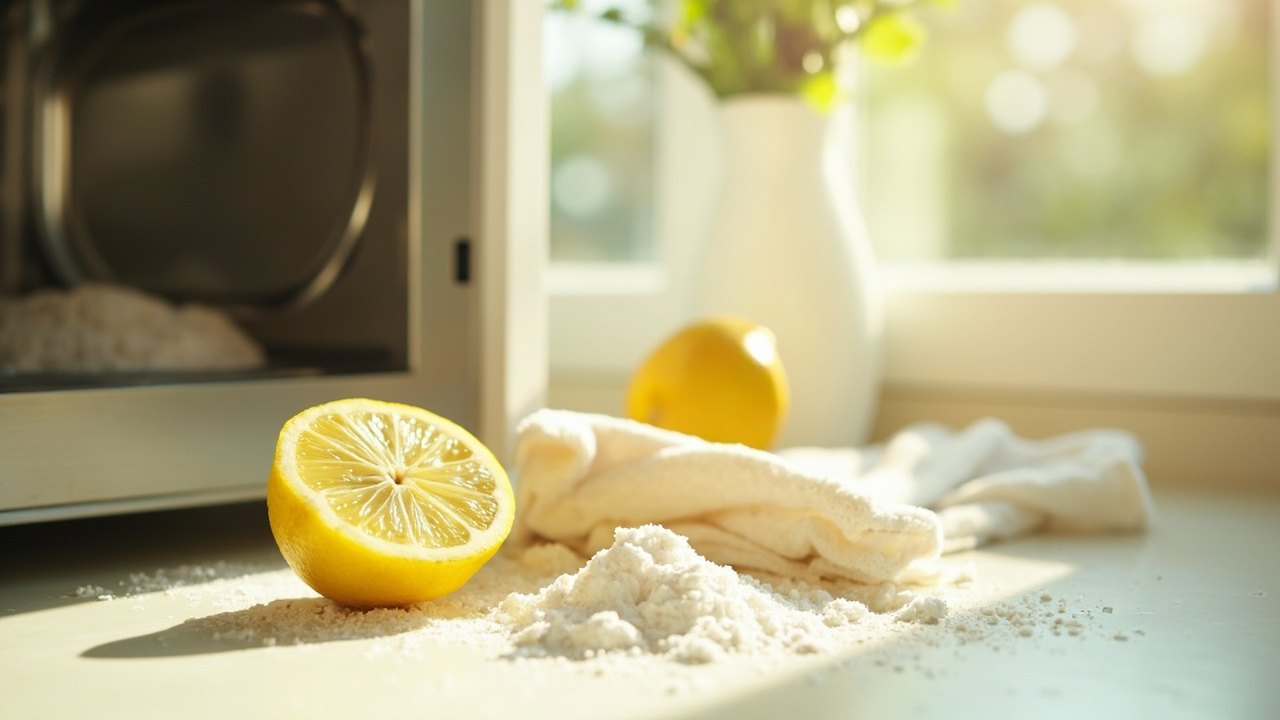
The best microwave cleaning hacks use steam, lemon or vinegar to loosen grease, baking soda to lift stuck-on food, and a careful wipe-down to remove residue; most ovens need no harsh chemicals, but unplugging, avoiding metal, and watching for boil-overs keep the job safe.
The short version
- Heat a microwave-safe cup of water with lemon or vinegar for a quick steam clean.
- Make a baking soda paste for stuck-on food and greasy interior surfaces.
- Remove the turntable and wash it separately for a more thorough clean.
- Wipe the door seal carefully, then clean the outside with a damp cloth.
What is the easiest way to clean a microwave?
The easiest method is to create steam inside the microwave, let it loosen the food and grease, and then wipe everything away with a soft cloth or sponge. You do not need a special cleaner for most routine jobs. Water combined with a little lemon juice or white vinegar is usually enough, while baking soda helps with stubborn residue and odors.
- Put a microwave-safe bowl or cup inside the oven. A cup of water is sufficient for a lightly dirty microwave; use more water if there is substantial spatter.
- Add a tablespoon or two of lemon juice or white vinegar if you want extra degreasing or a fresh scent. Do not use a metal cup, even if it is microwave-safe for cooking, because it can spark.
- Close the door and run the microwave for two to three minutes on high, or until the water is steaming. If the liquid begins to bubble violently or rises toward the rim, stop the oven immediately.
- Wait one to two minutes before opening the door. Stand to the side and keep your face away from the opening as hot steam escapes.
- Use a soft cloth, sponge, or nylon brush to wipe the loosened food from the walls, ceiling, floor, and door. A toothbrush can reach corners and narrow spaces.
For a lightly used oven, this takes only a few minutes. For a heavily soiled microwave, repeat the steaming step or use the paste method below. Always let the microwave cool before reaching inside.
How do I clean a microwave with lemon or vinegar?
Lemon and vinegar work because heat turns the water into steam, while the mild acid helps break down grease and food residue. You can use either one on its own, but combining a little water with lemon juice or vinegar gives you a simple, effective steam clean.
Lemon steam method
- Pour a cup of water into a microwave-safe bowl or mug.
- Squeeze in the juice of half a lemon, or add several thin strips of lemon peel. Fresh juice usually provides a stronger lemon scent than bottled juice.
- Heat on high for two to three minutes. The water should become hot and steamy, not boil over.
- Let the bowl sit for a minute, then carefully remove it with oven mitts or a towel.
- Wipe the interior with a soft cloth dipped in the warm lemon water. Use the damp cloth to wipe the door seal and the inside of the door as well.
For a fresh citrus scent, you can also put lemon peel in a cup of water without heating it. The steam method is better for stuck-on food because the moisture helps soften it.
Vinegar steam method
White vinegar is useful when the microwave smells greasy or has brown food stuck to the walls. Add one to two tablespoons of vinegar to a cup of water, heat for two to three minutes, and let the steam sit briefly before wiping. The vinegar smell usually disappears as the interior dries and vents.
Do not pour vinegar directly onto the microwave floor or combine it with bleach or other cleaning products. A simple water-and-vinegar solution is safer and avoids unnecessary chemical fumes.
How do you remove stuck-on food without harsh chemicals?
Make a paste from baking soda and water, apply it to the stuck area, and let it soften the residue before you scrub. Baking soda is mildly abrasive, so a gentle circular motion is usually enough without damaging the interior coating.
- Mix one to two tablespoons of baking soda with just enough water to make a thick paste.
- Spread the paste over the greasy spot with a spoon or your fingers. Avoid pressing it into vents or electrical openings.
- Leave it for five to ten minutes. For a dried-on mess, leave it for 15 minutes while you clean other parts of the kitchen.
- Scrub with a soft sponge or nylon brush. The paste should loosen the food; if it still resists, repeat the steaming step rather than applying more pressure.
- Wipe with a clean damp cloth, then dry with a separate soft towel.
For very heavy buildup, use a commercial microwave cleaner only according to its label. Some products are caustic, and they may leave a residue that requires a second wipe. Check that the product is intended for microwaves and avoid spraying it directly into the oven unless the instructions specifically say to do so.
What do you need to clean the turntable and door seal?
A complete microwave cleaning hacks routine should include the removable turntable, the door seal, and the small details that a quick interior wipe misses. These areas collect grease and crumbs, and they can make an otherwise clean oven look neglected.
Cleaning the turntable
- Stop the microwave, unplug it if you are comfortable doing so, and wait until the cavity is cool.
- Lift out the glass turntable according to the manufacturer’s instructions. Some models have a removable roller ring or center hub.
- Wash the glass plate, roller ring, and hub with warm water and dish soap. Scrub stubborn grease with a nonabrasive sponge.
- Check for burnt-on fragments and remove them before putting the parts back. Do not heat an empty glass turntable unless the manufacturer specifically permits it.
Cleaning the door seal
The gasket around the door is a separate rubber or painted seal, so treat it gently. Wipe it with warm, soapy water and a soft cloth, then use a separate barely damp cloth to remove soap. Do not use sharp tools, bleach, or a stiff brush that could tear the seal. If the gasket is cracked, peeling, or no longer sits evenly, have the microwave checked rather than trying to correct it with glue.
How do you get rid of microwave smells?
Most microwave odors come from trapped steam, dried food oils, or residue under the door seal. Start by removing visible food and wiping the interior with hot, soapy water; scent products cannot replace cleaning a greasy surface.
- Place a cup of water with lemon peel, cinnamon, or a small splash of vinegar inside the microwave and heat it briefly. The steam helps loosen residue, while the added ingredient leaves a mild scent.
- Wipe the ceiling and corners, where vapor and food droplets often collect.
- Clean the turntable, roller ring, and door seal separately. Odor particles often remain in these removable parts.
- Leave the door open for several minutes afterward so the cavity dries and air can circulate.
- If the smell persists, make a baking soda paste, scrub the interior, and wipe it clean. You can also place a small bowl of dry baking soda in the microwave for a few hours, then remove or discard it.
Do not leave a bowl of baking soda in the oven indefinitely, and keep it away from the heating elements. If the odor appears whenever the microwave runs, inspect the vents and have the appliance serviced; a burning smell can indicate an electrical or mechanical problem.
What is the safest way to deep-clean a microwave?
The safest deep-cleaning approach is to unplug the microwave, let it cool completely, remove loose debris, and then use a small amount of water or a mild cleaning solution on a cloth rather than flooding the cavity. This gives you control around vents, controls, and electrical parts.
- Unplug the microwave or switch off its power supply, depending on the model and your comfort level. If the plug is difficult to reach, use the appropriate disconnect method described in the manual.
- Wait for the microwave to cool. Remove the turntable and any removable parts according to the manufacturer’s instructions.
- Wipe loose crumbs out with a dry, soft brush or cloth. Keep moisture away from vents, buttons, and openings.
- Apply a small amount of dish soap to a damp cloth. Clean the interior, door glass, and exterior, avoiding harsh pads.
- Use a separate clean, damp cloth to remove soap. Dry the interior and door seal before reassembling anything.
- Look for cracks, loose edges, burned residue, or an unusual odor. If you find damage, do not use the microwave until it has been checked.
The table below compares common cleaning choices.
| Cleaning method | Best for | Key caution |
|---|---|---|
| Lemon steam | Grease and fresh scent | Let steam cool before opening |
| Vinegar steam | Greasy walls and odors | Never mix with bleach |
| Baking soda paste | Stuck-on food | Use gentle scrubbing |
| Warm soapy water | Turntable and door seal | Keep liquid out of vents |
| Damp exterior wipe | Housing and control panel | Do not saturate controls |
Common mistakes to avoid
- Using metal utensils, foil, or a metal bowl inside the microwave. These can cause arcing and damage the oven.
- Running the microwave empty for a long period. Use a cup of water when you want steam.
- Ignoring a boil-over. Stop the oven if water rises over the cup or splashes toward the door.
- Opening the door immediately after steaming. Stand aside and let pressure and heat dissipate.
- Spraying cleaner directly into the cavity, especially near vents or controls.
- Using steel wool, a razor blade, or a stiff abrasive pad on the interior or door seal.
- Cleaning a hot microwave. Let the oven cool before wiping or removing the turntable.
Frequently asked questions
Can I use vinegar to clean a microwave?
Yes. Mix a cup of water with one or two tablespoons of white vinegar, heat it briefly to create steam, and wipe the softened residue away. Never combine vinegar with bleach, and avoid spraying the solution directly into the oven.
Is baking soda safe for a microwave?
Yes, when used as a paste or in a bowl of water. Baking soda can help lift stains and absorb odors, but it should not be forced into vents, and the surface should be wiped clean afterward.
Can I put a lemon peel in the microwave?
You can. Put lemon peel in a microwave-safe cup of water and heat it briefly for a citrus scent. Remove the cup with care, because both the liquid and the steam will be hot.
What is the best microwave cleaning hacks method for burned-on food?
Steam first, then apply baking soda paste to the remaining spot. Let the paste sit, scrub gently with a soft sponge, and wipe with a clean damp cloth. If the food is deeply burned or smells electrical, stop cleaning and arrange service.
Start with the turntable and a two-minute lemon-steam session, then wipe the interior, door seal, and exterior. These microwave cleaning hacks are quick enough for a regular kitchen reset and leave the oven ready for the next meal without harsh chemicals.