Top Travel Tips for Beginners: 30 Lessons Before You Go
Get the top travel tips for beginners in one practical guide covering planning, money, packing, documents, health, culture, and essential technology.
The top travel tips for beginners are simple: plan carefully, control your budget, pack light, carry the right documents, protect your health, respect local customs, and prepare your technology. These 30 lessons help you avoid common first-trip problems before you leave home.
The short version
- Confirm the passport, entry rules, bookings, and local transport before departure.
- Set a daily spending limit and keep one emergency fund separate from your travel money.
- Pack versatile clothing, a reusable water bottle, copies of key documents, and a small first-aid kit.
- Learn a few local phrases, download what you need, and tell someone your itinerary.
What are the top travel tips for beginners for planning a first trip?
A good plan creates freedom rather than a rigid schedule. Decide what you want to experience, leave room for surprises, and confirm the essential details before you pay for anything.
- Choose one main purpose. A city break, beach holiday, and food-focused trip require different priorities. Write down what would make the trip worthwhile, then use that list to choose a destination and pace.
- Check the entry requirements early. Look at your government’s official travel information and the destination’s official site. Confirm passport validity, visa or permit rules, and any requirements for children or travelers with specific circumstances.
- Compare travel times, not just prices. A cheaper flight can lose its advantage when it adds an overnight journey, a long transfer, or missed check-in windows. Include baggage fees, local transportation, and a reasonable meal budget when comparing options.
- Book the first night before the rest. Arriving in an unfamiliar place after a long journey is harder than it needs to be. Confirm where you will sleep, how you will reach it, and what you will do with your bags if your flight is delayed.
- Create a loose daily plan. Group nearby activities together and leave open blocks for meals, rest, and spontaneous discoveries. A plan with breathing room is more useful than a list that promises every minute will be productive.
These top travel tips for beginners are most effective when you turn them into a checklist. Keep one copy on your phone and another in your travel folder so a change in plans does not become a scramble.
How much should beginners budget, and how can they control costs?
Beginners should budget for the whole experience, not only the ticket. Accommodation, meals, local transit, activities, communication, and small unexpected expenses all belong in the calculation.
- Set a total limit and a daily limit. Divide your total budget into daily allowances, then add a separate cushion for delayed flights, lost luggage, or an activity that costs more than expected.
- Estimate meals realistically. If you plan to eat one inexpensive meal and one sit-down meal each day, include both. A simple drink, snack, tip, or taxi can change the amount you spend without feeling like a major purchase.
- Pay attention to hidden travel costs. Before booking, check for seat fees, baggage charges, airport transfers, rental-car extras, and resort or city taxes. The lowest displayed price is not always the lowest final price.
- Keep payment methods separate. Use one card for planned spending and another for emergencies if possible. Keep a small amount of local cash for places that do not accept cards, but avoid carrying all your money in one place.
- Track spending as it happens. A note on your phone is enough to record major expenses and the approximate amount spent each day. Review it before the next morning so small choices do not quietly consume the budget.
What should beginners pack without bringing too much?
Pack enough for the weather and activities you planned, plus a few reliable basics. Lightweight, repeatable clothing gives you more choices than a suitcase full of single-use outfits.
- Pack clothing in layers. A light shirt, comfortable sweater, and adaptable outer layer work for many climates. Choose pieces that can be mixed and washed, and check the forecast shortly before departure.
- Bring one pair of broken-in shoes. You will walk more than you expect. Wear your most comfortable walking shoes during travel and pack a second pair only if your itinerary truly requires it.
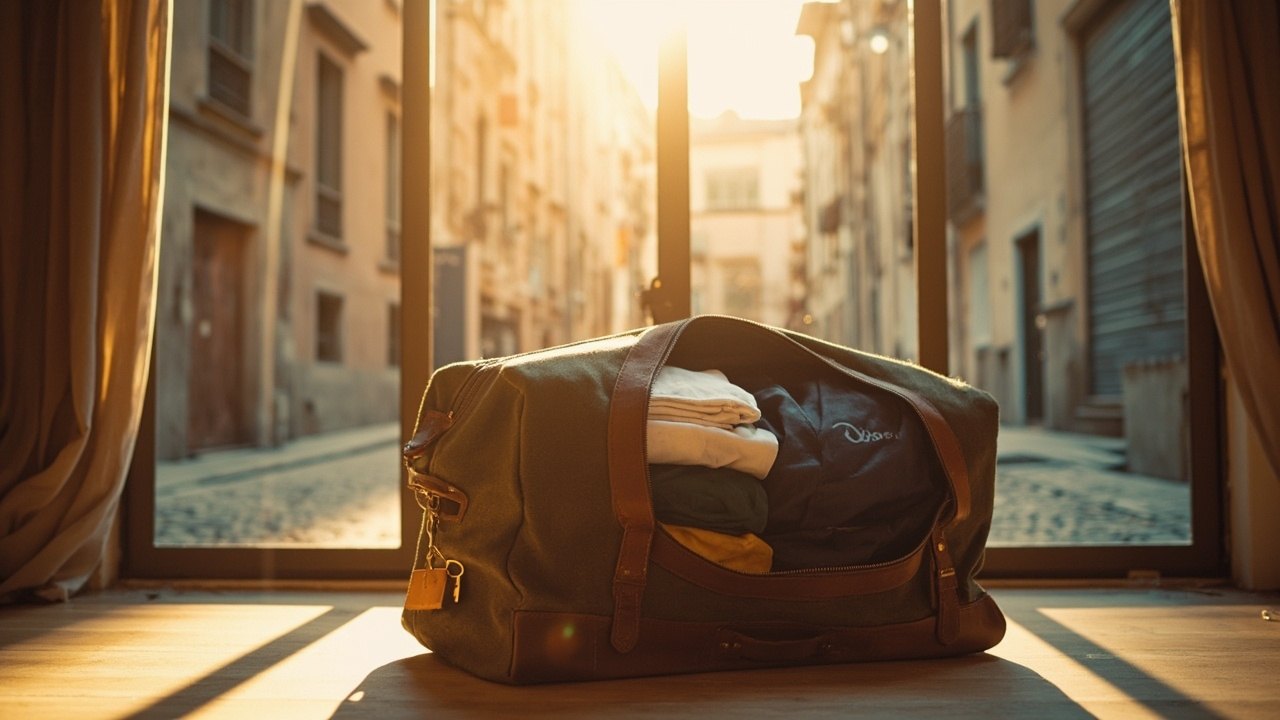
- Use a carry-on when it makes sense. Staying with a small bag forces you to choose essentials and makes airport transport easier. If you check luggage, pack valuables, medication, documents, and one change of clothes in your carry-on.
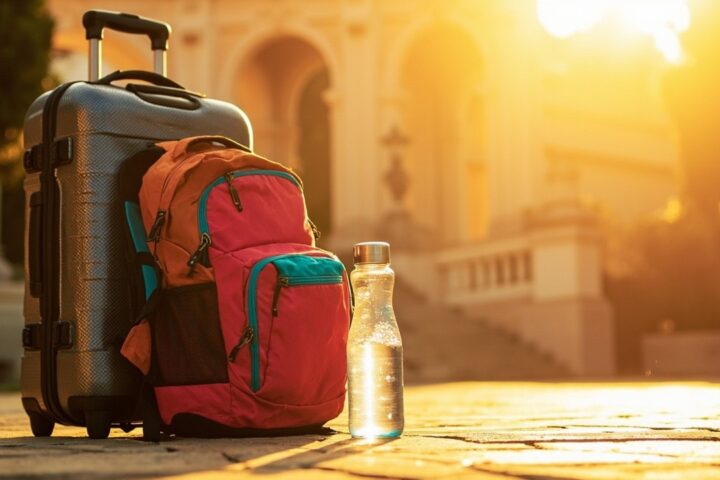
- Include practical extras. A reusable water bottle, universal adapter when needed, small first-aid kit, laundry bag, and day bag are more useful than many bulky travel accessories. Bring only the toiletries you regularly use, in travel-friendly sizes.
- Protect fragile and valuable items. Keep electronics away from liquids, place shoes at the bottom of your bag, and use packing cubes or pouches to keep clothing organized. Label checked luggage inside and outside with contact information.
| Travel item | Pack it when… | Why it helps |
|---|---|---|
| Light rain jacket | The forecast includes any rain | Works across seasons and climates |
| Power bank | Your phone is essential for navigation and tickets | Extends battery life during long days |
| Small first-aid kit | You are away from easy access to supplies | Handles minor needs quickly |
| Copies of documents | You are traveling internationally | Provides backup if the original is lost |
| Refillable bottle | Safe drinking water is available | Reduces purchases and waste |
| Day bag | You will explore for several hours | Keeps essentials close at hand |
What documents do beginners need, and how should they keep them safe?
Your documents are your permission to travel and your backup when something goes wrong. Keep the originals secure and make sure you can access essential copies without internet service.
- Carry the right identity documents. Check the destination’s current requirements before booking and again before departure. Make sure the name on your ticket, passport, and bookings matches exactly.
- Make digital and paper copies. Store copies of your passport, visa or permit if required, insurance details, and reservations in a secure folder. Keep a paper copy separate from your original.
- Save important bookings offline. Download hotel confirmations, rail tickets, and flight details, or take screenshots where the provider allows it. Screenshots can disappear after an update, so keep the actual files when possible.
- Arrange travel insurance carefully. Read what is covered, what is excluded, and how to make a claim. Keep the policy number and emergency contact information with your other documents.
- Share your itinerary with trusted people. Tell a family member or friend where you are staying, how you will get there, and when you expect to return. Update the information if your plans change.
Do not keep all documents in one digital folder, and do not send sensitive copies casually. If a document is stolen, contact the relevant embassy or consulate promptly and follow their instructions.
How can beginners stay healthy and handle unexpected problems?
Good preparation helps you handle heat, fatigue, minor illness, and lost belongings without letting one problem spoil the trip. Most important health basics are inexpensive, portable, and easy to use.
- Bring medication in its original packaging. Carry enough for the trip plus a small extra supply in case of delays. Check the rules for bringing medication across borders, especially for controlled substances or prescription treatments.
- Protect yourself from sun and heat. Use sunscreen, drink water regularly, and take breaks in shade or air-conditioned spaces. Heat exhaustion can become serious quickly, especially for children, older adults, and anyone adjusting to a new climate.
- Prepare for common stomach discomfort. Eat where food is cooked thoroughly and served hot, drink sealed water when you are unsure, and give your body time to adjust. Seek medical advice if symptoms worsen or do not improve.
- Know where to get help. Save the local emergency number, the address of your accommodation, and the nearest relevant clinic. For a minor cut, clean it with safe water, cover it, and monitor it for signs of infection.
Check official health guidance for your destination, particularly for vaccinations, insects, altitude, and food or water precautions. Your own doctor or pharmacist can also advise on travel-specific needs.
How should beginners respect local culture and handle unfamiliar situations?
Travel is more welcoming when you show curiosity, observe before acting, and accept that customs will not be identical to your own. You do not need to become an expert before you arrive; you need to be respectful while learning.
- Learn a few useful phrases. Greetings, please, thank you, and a request for help can make daily interactions smoother. A translation tool can help with longer conversations, but do not rely on it for every exchange.
- Ask before taking photographs. Some religious sites, residences, ceremonies, and working spaces should not be photographed. If you are unsure, lower your phone and ask respectfully.
- Follow local rules without arguing. Dress, noise, tipping, and public behavior vary by place. Learn the basic expectations for the setting you are visiting, especially at temples, churches, mosques, beaches, and homes.
- Stay open and safe. Keep your belongings secure, avoid displaying cash, and use reputable transportation. If a situation feels uncomfortable, move to a busy place and contact your accommodation or local authorities for help.
What technology should beginners prepare before traveling?
Technology should make travel simpler, not create extra problems. Bring the tools you will actually use, update them before departure, and prepare for places where service or charging is limited.
- Download essential apps and maps. Download your airline or rail booking, lodging, translation, and offline map tools before you leave. Open the app in Settings or your device’s app library, then check its offline features; menus vary by device and version.
- Set up roaming or a local connection. Ask your carrier about international options before departure. If you use a portable router or hotspot, open its settings or browser-based management page, and change default access details before relying on it.
- Update devices and back up important files. Install needed updates, copy critical documents and photos, and enable a screen lock. Bring a charging cable and a plug adapter if your destination uses a different electrical system.
- Use connectivity conservatively. Avoid public charging stations when you have a safer option, and do not accept urgent payment or account requests from strangers. Use your own accounts and official app or website details when completing transactions.
Common mistakes to avoid
- Overplanning every hour. Leave time for delays, meals, getting lost, and meeting people.
- Packing for imagined emergencies instead of real ones. Bring useful basics, but leave room for the trip you will actually have.
- Keeping all money and documents in one place. Separate payment methods, original documents, and digital backups.
- Ignoring local entry or health guidance. Check official sources before booking and shortly before departure.
- Waiting until the last minute to arrange the first night. Confirm your arrival route and accommodation before you leave.
- Treating unfamiliar customs as personal criticism. Observe, ask respectfully, and adjust when appropriate.
Frequently asked questions
How do I start planning my first trip?
Begin with a destination and a rough budget, then check passport and entry requirements. Book the most important arrangements first, including transportation and the first night, and build a flexible daily plan around them.
Should beginners check a bag or travel with carry-on luggage?
A carry-on is convenient for short trips and helps you avoid waiting at baggage claim. Check a bag when you need specialized gear, larger clothing options, or supplies you cannot carry safely in a smaller bag.
What should I do if I lose my passport or money?
Contact your embassy or consulate and local authorities, then notify your bank or card provider. Use your document copies and emergency contacts to begin the process, and avoid making purchases until your financial access is sorted out.
Do I need to learn the local language before traveling?
You do not need to become fluent, but learning greetings, courtesy words, and numbers can make interactions easier. A translation tool is useful, while showing patience and respecting local communication styles matters even more.
Choose one destination, set your budget, and make a simple checklist from this guide today. Once the essential bookings are confirmed, your first trip is ready to become a real adventure.