Road Trip Packing List: Car Essentials and Comfort Items
Get a practical road trip packing list covering car gear, safety, documents, food, entertainment, kids, pets, cleaning, and easy-to-use checklists.
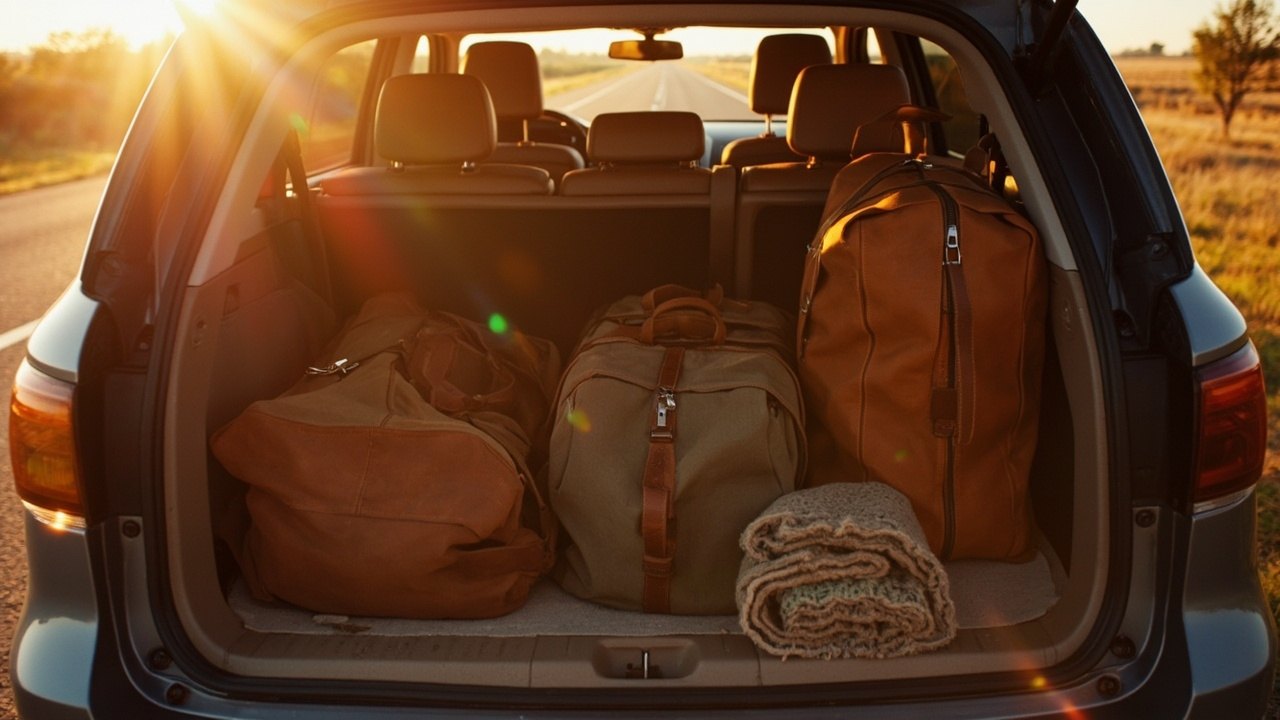
A road trip packing list should cover the car, safety gear, important documents, food, entertainment, personal needs, and a few comfort items for every passenger. Pack in small, sturdy bags, keep essentials within easy reach, and adjust the list for trip length, weather, children, pets, and available facilities.
The short version
- Pack a stocked first-aid kit, flashlight, jumper cables or a portable jump starter, tire kit, and roadside emergency supplies.
- Carry identification, insurance information, vehicle documents, cash, and a charged phone in one secure place.
- Bring water, shelf-stable snacks, easy meals, and a cooler when the route includes long stretches without food.
- Download offline maps, queue downloads, pack charging cables, and include activities that work without reception.
What should a road trip packing list include?
A useful road trip packing list divides everything into three groups: what protects safety, what makes the journey possible, and what keeps everyone comfortable. Start with the items you would want within reach if the car stopped suddenly, then layer in clothing, food, and entertainment according to the length of your trip.
For a short weekend drive, a small duffel and a packed emergency kit may be enough. For several days, add more clothing, refillable water bottles, a larger cooler, toiletries, and activities for passengers. Keep the list flexible, but assign a home to each item so nothing disappears into the bottom of a suitcase.
A simple packing system
- Place documents and valuables in a secure, easily carried pouch.
- Keep roadside and first-aid supplies together in a labeled bag near the trunk or passenger area.
- Pack food and drinks in a cooler or insulated bag, with a second supply of water where practical.
- Put clothing and personal items in larger bags, using packing cubes or separate pouches by category.
- Reserve one small bag for items needed at every stop, such as sunscreen, tissues, wipes, and a refillable bottle.
Labeling matters more than elaborate organization. A bag marked “first stop” is easier to use than one labeled “essentials,” especially when passengers are tired or the weather is unfamiliar.
How do I prepare the car for a road trip?
Prepare the car before you pack the bags so you can fix problems while you still have access to a garage, store, or service center. Check the vehicle, fuel, tires, and lights, then pack the emergency equipment that supports you if a problem occurs far from town.
Car and roadside kit
- Spare tire, tire-changing tools, and a small tire-repair kit if the vehicle does not include them.
- Jumper cables or a portable jump starter, plus a flashlight with spare batteries.
- Basic tool kit, duct tape, work gloves, and a multipurpose tool.
- Reflective warning triangle or roadside flares, where permitted by local rules.
- Small emergency blanket, rain poncho, and a whistle.
- Power bank, charging cables, and a car charger for compatible devices.
- Paper maps or printed directions as a backup to phone navigation.
Check the tire pressure and tread before departure, while the tires are cold if possible. Make sure the spare is present, the jack operates correctly, and the fuel level is sufficient for the first planned stretch plus a reasonable reserve. Confirm that headlights, brake lights, turn signals, windshield wipers, and fluid levels work properly.
Top off the windshield-washer fluid and clean the glass before leaving. A clear view helps with changing weather and road glare. If you are traveling in hot weather, confirm that the air conditioning works; in cold weather, check the heater and defroster as well.
Fuel and charging plan
Plan refueling stops rather than waiting for the warning light. Save fuel stations along the route and identify a backup option in case the preferred station is closed or crowded. If the vehicle has a charging port, learn where charging stations are located and whether an adapter is needed for your car.
Menus for vehicle settings and route apps vary by device and version, so use the help section if you are unsure how to connect your phone or router. Download the map area before losing service, turn on automatic map updates when practical, and carry a charging cable that fits your phone.
What documents and money should you carry?
Carry the documents required to identify you, rent or drive the vehicle, reach medical help, and handle emergencies. Keep originals and digital copies in separate locations so one missing phone does not erase your backup plan.
- Driver’s license and state identification, or passport and travel documents when crossing an international border.
- Vehicle registration, proof of insurance, and rental agreement when applicable.
- Emergency contact information for family and the vehicle insurer.
- Prescription medications and a brief list of allergies or medical conditions.
- Credit card, debit card, and a small amount of cash for small purchases, parking, or rural businesses.
- Boarding passes, hotel confirmations, reservation numbers, and campsite details.
Store these papers in a document folder inside the car rather than in a bag buried under luggage. A dedicated pouch also helps you hand over paperwork quickly during a rental return or traffic stop. Do not leave identity documents or payment cards in an unattended vehicle, even for a quick stop.
Take photos of important papers and save them in a secure folder on your phone. Cloud storage can provide another backup, but use a strong passcode and avoid saving sensitive images in a shared photo album. For international travel, check the entry requirements of every country on the route before departure.
What food, water, and snacks should you bring?
Bring food that is easy to eat, requires little preparation, and can tolerate a few extra hours in a cooler. The best road trip snacks include options for different appetites, not just one person’s favorite flavors, and they should be divided into portions that are easy to reach.
Practical food choices
- Whole fruit, nuts, granola bars, crackers, dried fruit, and protein snacks.
- Sandwiches, wraps, or simple meals that can be eaten without utensils.
- Shelf-stable items such as canned food, nut butter, crackers, and dried beans.
- Electrolyte drinks or a mixable powder for long, warm drives.
- Reusable bottles filled with fresh water before departure.
- Paper towels, napkins, a small can opener, and a trash bag for cleanup.
Use a cooler with ice packs and keep raw meat separate from ready-to-eat food. If you cook food during the trip, follow food-safety guidance and use a thermometer. The USDA recommends cooking poultry to an internal temperature of 165°F, ground meats to 160°F, and whole cuts of beef, pork, lamb, and veal to 145°F, with a three-minute rest for those whole cuts.
Buy groceries at the first reliable store after departure if your cooler is limited. That lets you adjust for weather and passenger preferences without carrying every item from home. Keep one emergency food supply separate from the cooler in case the cooler is damaged or the trip runs long.
How do you stay comfortable and entertained on the road?
Pack entertainment that works when service is unreliable and that lets passengers choose between active and quiet options. A road trip packing list should include enough variety for a long drive without relying entirely on a phone screen.
- Downloaded playlists, podcasts, audiobooks, or offline entertainment before departure.
- Books, magazines, puzzles, cards, and travel games for passengers who want something screen-free.
- Headphones and a charging cable for each regular device user.
- Blanket, neck pillow, earplugs, and eye mask for passengers who sleep.
- Reusable shopping bag for dirty clothes, snacks, or items collected along the way.
- Small trash bag for wrappers and everyday cleanup.
Keep entertainment accessible to children but avoid loose small items that can disappear under a seat. Charge devices overnight and bring a power bank for long stretches without outlets. A paper activity book can be more useful than a screen when the route has no reception, but let passengers choose the pace rather than forcing an activity on everyone.
Make a quick restroom stop plan before the trip, especially with children or pets. Save the locations of rest areas, service stations, and grocery stores in your maps app. A planned stop is more useful than trying to find an acceptable place when everyone is hungry or uncomfortable.
What should you pack for kids, pets, and cleaning?
Pack for the youngest, least comfortable, and most vulnerable passenger first. Children and pets need familiar items, while everyone benefits from a few cleaning supplies that make temporary messes manageable.
For children
- Comfort item, pajamas, favorite snacks, and a change of clothes.
- Travel-sized crayons, paper, stickers, puzzle, or quiet activity.
- Reusable water bottle, napkins, sunscreen, and any needed medication.
- Child identification card with a parent’s contact information, carried discreetly.
- Small bag of quiet activities for car sickness, delays, or late travel.
For pets
- Food, bowls, medication, leash, harness, waste bags, and identification.
- Blanket or familiar bedding to reduce anxiety in an unfamiliar car.
- Grooming wipes and a small supply of water for walks and cleanup.
- Pet first-aid information and a plan for veterinary care along the route.
- Secure carrier or restraint designed for the vehicle and size of the animal.
For cleaning
- Disinfecting wipes, hand sanitizer, tissues, and paper towels.
- Small vacuum or car organizer for crumbs and dirt.
- Trash bags, zippered bags for wet items, and a microfiber cloth.
- Laundry detergent sheets for washing clothes in a sink or washing machine.
- Air freshener or odor-removing product, used according to its label.
Pack these items in separate bags so you can reach pet or child supplies without unpacking everything. Keep medication, identification, and cleanup materials together in an “immediate needs” pouch.
| Category | Bring | Why it helps | Backup |
|---|---|---|---|
| Safety | First-aid kit, flashlight, triangle | Handles minor emergencies | Know the nearest clinic |
| Car | Spare, tools, jump starter | Supports roadside repairs | Roadside assistance |
| Documents | License, insurance, registration | Provides legal and rental proof | Phone photos |
| Food | Snacks, meals, water | Keeps passengers satisfied | First grocery stop |
| Navigation | Offline maps, paper directions | Works without service | Charged power bank |
| Comfort | Blanket, pillow, activities | Reduces fatigue and boredom | Screen-free games |
Common mistakes to avoid
- Packing everything in one suitcase, which makes small essentials difficult to find.
- Leaving the spare tire, tools, or emergency supplies at home because the car “probably” will not need them.
- Relying on mobile service for directions, tickets, or hotel information.
- Leaving children, pets, medication, or valuable documents in a hot or unattended car.
- Packing a large cooler with food that needs complicated preparation.
- Forgetting to check tire pressure, washer fluid, lights, and the vehicle’s spare before leaving.
- Using an old road trip packing list without adjusting for weather, route conditions, or passengers.
Frequently asked questions
How many days of food should I pack for a road trip?
Pack enough food and water for the first day, then plan to buy groceries at reliable stores along the route. For a remote route, carry additional shelf-stable meals and an extra water supply. A cooler is convenient, but it should not be the only food plan.
What are the most important items to keep in the car?
Keep a first-aid kit, flashlight, phone charger, water, basic tools, warning device, and key documents accessible. These items are useful during a breakdown, minor accident, delay, or unexpected change in weather. Store them separately from luggage so they can be reached quickly.
Do I need paper maps if I have GPS?
GPS is usually more convenient, but downloaded maps can fail when a phone loses power or reception. Carry a paper map or printed directions as a simple backup, especially on rural routes. You can also save directions to a second phone or write down key turns and fuel stops.
How should I pack for kids and pets on a long drive?
Bring familiar comfort items, snacks, medication, water, identification, and activities for children. Pack pet food, bowls, restraint, waste bags, and cleaning supplies in a separate bag. Plan stops every few hours and allow extra time for meals, walks, and settling down.
Before leaving, print or save the final road trip packing list, check the car and luggage, and place the first-stop essentials beside the door. A ten-minute review is the simplest way to avoid the most common packing mistakes.