Travel Tips for First-Time Flyers: Airport to Arrival
Practical travel tips for first-time flyers, covering booking, documents, check-in, security, bags, boarding, comfort, and arrival without surprises.
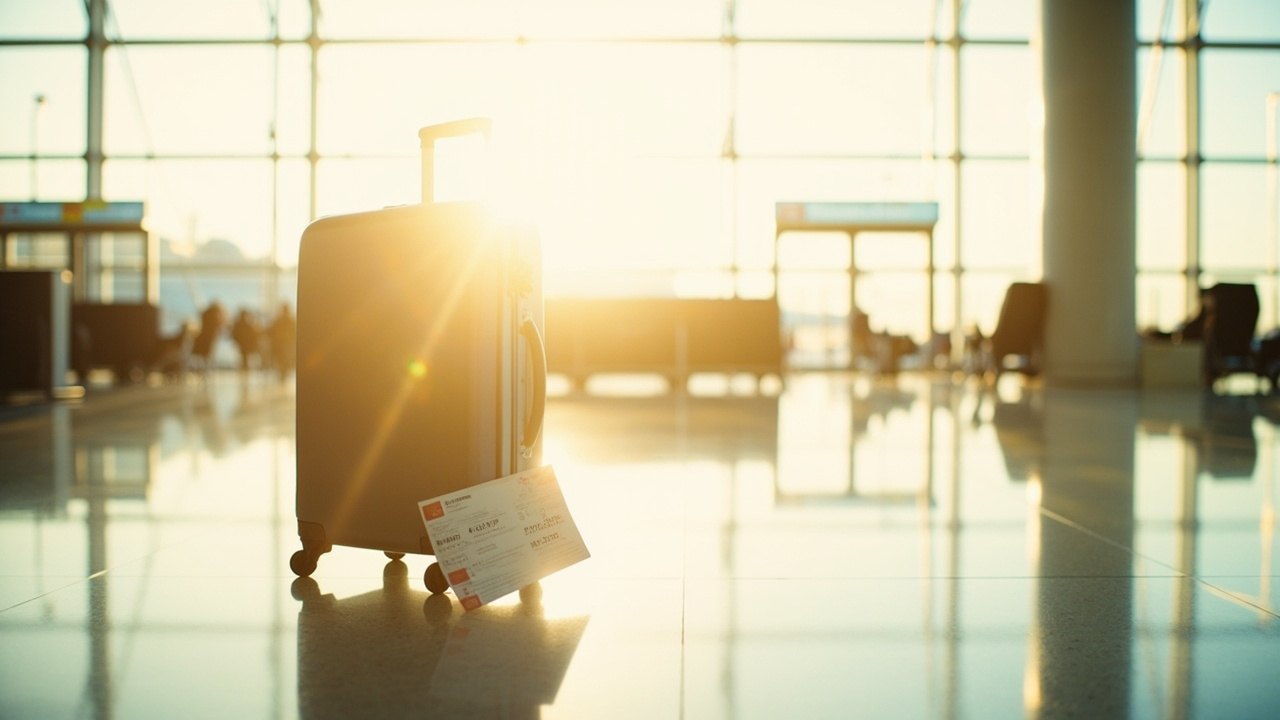
These travel tips for first-time flyers cover everything from choosing a flight to landing safely: how to book, what documents to carry, how check-in and security work, what to pack, how to board, and what to do on arrival. Check each airline’s current rules before leaving home.
The short version
- Compare schedules, connections, fares, and baggage policies—not just the lowest price.
- Keep identification, travel documents, medication, and one change of clothing accessible.
- Arrive early enough to handle check-in, security, and unexpected airport delays calmly.
- Use the airline’s app or website for updates, gate information, boarding, and baggage claims.
How should a first-time flyer choose and book a flight?
The best flight is usually the one that balances price, convenience, and the number of connections. A slightly higher fare can be worthwhile if it avoids a rushed connection, an overnight layover, or an inconvenient departure time.
-
Compare the total journey.
Look at departure and arrival times, airport names, connection length, and the time it takes to get to and from each airport. Two flights with similar prices may involve very different days.
-
Check the fare details carefully.
Review what the ticket includes, whether seats can be selected, and what baggage is allowed. Some fares include a carry-on while others do not. If you expect to check a bag, compare the published baggage allowance and any applicable charges before booking.
-
Consider the airport and connection.
Large hubs may offer more routes but also longer security lines and more walking between terminals. A connection that is too short can create stress; a very long one can make a missed flight less costly but may leave you waiting for hours.
-
Choose a practical arrival time.
Arriving late in the evening may be easier in some cities and harder in others. Consider traffic, transit schedules, and how you will get home or to your hotel.
-
Save the confirmation.
Keep the booking code, itinerary, and customer-service contact information available offline. Screenshot useful details, but also store them in the airline’s app or email.
These travel tips for first-time flyers begin with simple preparation: know where you are going, how long you will be away, and what the airline expects. If traveling with children, pets, mobility equipment, or someone who needs additional assistance, contact the airline before the trip so the arrangements are recorded.
What documents do first-time flyers need?
Most travelers need identification, proof of authorization to fly, and the documents required for the countries on their itinerary.
For domestic flights in the United States
- Government-issued identification: An accepted form of ID is generally required, although the precise rules can vary by age and airport situation. A passport or driver’s license may be appropriate; check the airline and the Transportation Security Administration for current requirements.
- A boarding pass: It may be available in the airline app, by email, on paper, or at a kiosk. Make sure the name on the document matches the reservation.
- Any special identification: The airline may request additional information for minors, unaccompanied children, or travelers who cannot present the expected identification.
For international travel
Your passport must satisfy the destination’s entry rules, including validity and condition requirements. Many countries also require a visa or an official exemption, and some require specific health documentation. Check the official embassy or immigration sources for every destination, including transit countries.
Keep paper copies of critical documents in separate carry-on bags when practical. Store digital copies somewhere accessible even if your phone runs out of battery. If traveling with a child, also carry documentation showing the relationship and any consent letters required for the adult traveling with them.
How early should you arrive at the airport?
Arrive with enough time to complete every stage without rushing; the airline’s recommended arrival time and the airport’s operating conditions should guide your plan.
Many airlines suggest arriving around two hours before a domestic departure and three hours before an international departure, but these are general planning points rather than guarantees. Earlier arrival is often wise around holidays, severe weather, or when checking a special item. Later arrival may be reasonable for a simple trip to a nearby airport with little passenger traffic.
-
Plan transportation to the airport.
Add time for traffic, parking, rideshare pickup, or public transit. Check terminal and curb information in advance, since large airports may have several drop-off areas.
-
Allow for check-in and bag drop.
Some travelers check a bag at a counter, while others use a self-service kiosk or tag their own bag. At busy airports, even a bag-drop line can take time.
-
Build in a buffer.
Security, document questions, gate changes, and walking to the gate can all consume time you did not expect to spend.
Tell someone at home your flight number, expected arrival time, and hotel or destination address. Keep your phone charged but use a low-power setting if you need to preserve the battery for the entire journey.
What happens during check-in and security?
Check-in confirms your identity and boarding details, while security screening determines whether you and your carry-on items can enter the secure area.
At check-in
You may check in through the airline’s website or app, use a kiosk, or visit the counter. Domestic travelers can often proceed directly to security after obtaining a boarding pass, while checked baggage must be handed over at the airline’s bag-drop area.
Check whether your fare includes a seat assignment and whether the aircraft has a preferred seating option. When boarding groups are used, your group is usually printed on the boarding pass. Boarding groups help airlines load the plane, but the group system can change, so continue watching airport screens and app alerts.
At the security checkpoint
-
Prepare your documents and device.
Have your identification and boarding pass ready. TSA staff may also ask screening questions that depend on your answers.
-
Place permitted items in bins.
Coats, belts, laptops, and other items may need separate screening. Follow the instructions from security officers.
-
Expect a device check when requested.
You may be asked to remove a phone, tablet, or other item from your bag and place it in a separate bin.
-
Collect and reassemble your belongings.
Check pockets, seat pockets, and the area around the screening equipment before leaving.
In the United States, liquids in carry-on bags generally follow the familiar 3-1-1 rule: containers of 3.4 ounces or less, one quart-sized bag, and one bag per passenger. Exceptions apply to medically necessary items, and screening rules can vary by country. Check official guidance before packing unusual products.
How do airline bag rules work?
Baggage limits depend on the airline and fare, so read the allowance attached to your exact booking rather than assuming another airline’s rules apply.
| Bag type | What to check | Best practice |
|---|---|---|
| Personal item | Size, weight, and fare eligibility | Keep essentials here if possible |
| Carry-on | Number of bags, dimensions, and weight | Confirm that your fare includes it |
| Checked bag | Weight limit and applicable charges | Use a sturdy, clearly labeled bag |
| Special item | Advance notice or separate approval | Contact the airline before traveling |
| Sports equipment | Packaging and acceptance rules | Review the airline’s specific policy |
Airline allowances govern whether a bag is accepted and how much it may weigh. Government rules govern security screening, including what can go in the cabin and how items must be inspected. The two systems are related but not identical.
-
Use a carry-on you can lift.
A packed bag that is too heavy becomes a problem in the jet bridge, at the carousel, and when moving between terminals.
-
Label checked bags inside and outside.
Put your contact details inside as well as on a luggage tag. Avoid displaying your home address publicly.
-
Protect valuables and documents.
Keep identification, medication, keys, electronics, and irreplaceable items with you rather than in checked luggage.
-
Remove old tags.
Leftover baggage tags can send your bag to the wrong place.
-
Check prohibited items.
Review rules for power banks, spare lithium batteries, liquids, medical devices, and other regulated items before you leave.
At the gate, some airlines offer free gate-checking for items that do not fit in the cabin. It is not a substitute for complying with the published allowance, and it can slow down boarding.
How should a first-time flyer board and stay comfortable?
Boarding begins when the airline calls your group, and comfort depends on simple preparation rather than having any particular travel experience.
When your group is called, follow signs to the gate and have your boarding pass ready. If the aircraft is full, some passengers may be asked to check a bag voluntarily, while others may board in a different order to balance the cabin. Stay near your group without blocking the aisle.
Before you sit
-
Locate your row.
Boarding passes often show the aircraft and seat. Confirm the seat on the boarding pass against the aircraft layout, since the number can change.
-
Stow larger items properly.
Place heavier items under the seat in front of you when possible. Overhead-bin space is shared, so do not force a bag into a full bin.
-
Find the safety equipment.
Take a moment to locate your seat belt, oxygen mask, and nearest exits before the crew asks you to review the safety briefing.
For greater comfort
Dress in layers because cabin temperature varies. Supportive clothing and a neck pillow can help on a longer flight. Drink water, but avoid making hydration your only preparation. If you are sensitive to pressure changes, yawning or swallowing may help; ask a clinician about ear pain if it becomes severe.
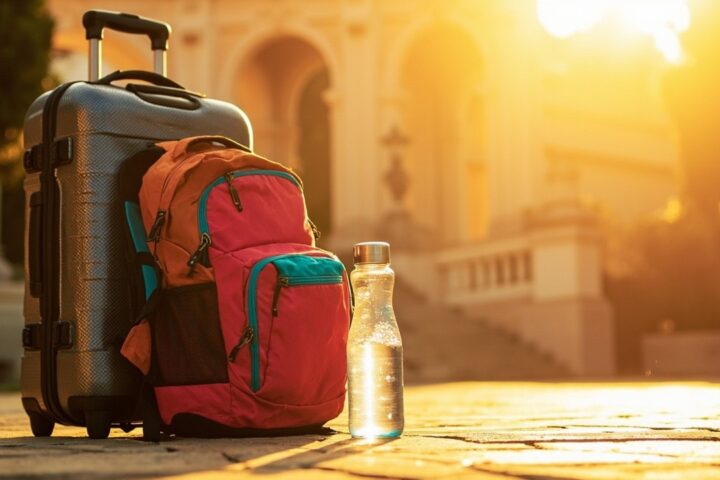
For these travel tips for first-time flyers, a small refillable bottle is useful as long as it is empty at the screening checkpoint and refilled afterward. Keep it, medication, and travel documents together. Use headphones for music or a short audio program, but leave one ear free or use a built-in alert system if you need to hear announcements.
Before landing, follow the crew’s instructions, return tray tables to their upright positions, and secure loose items. If you plan to eat after landing, a light meal may be easier on the stomach than a heavy one.
What should you do when you arrive?
Stay oriented through deplaning, baggage claim, and customs, and check your belongings before leaving the airport.
-
Wait for your flight on the arrival screen.
Confirm the carousel number for checked luggage. It may be displayed on a monitor or sent through the airline’s app.
-
Check every bag before leaving.
If a bag is missing or damaged, speak with the airline’s baggage-service desk before departing the baggage area and follow its claim process.
-
Complete arrival requirements.
Domestic travelers may proceed toward the exit, while international travelers may need to pass immigration, collect checked luggage, and clear customs.
-
Plan your next connection.
Follow transfer signs and check the departure screen. If your bags were checked through, confirm the carousel number for the next flight.
-
Arrange ground transportation.
Use a taxi, rideshare, hotel shuttle, rental car, or public transit according to the airport’s pickup rules.
Keep a photo of your checked luggage, receipts, and travel documents until you are home. If a flight is delayed or canceled, stay near information counters and monitor the airline’s app for rebooking instructions.
Common mistakes to avoid
-
Booking a connection with no margin.
A short layover can be risky if the first flight is delayed or passengers must clear security and immigration.
-
Assuming every fee is included—or every fee is extra.
Compare the fare, baggage allowance, seat rules, and total price before paying.
-
Packing valuables in a checked bag.
Keep identification, medication, electronics, and important documents in the cabin.
-
Ignoring the destination’s entry rules.
Check visa, passport-validity, and health-document requirements well before departure.
-
Leaving without checking the bag.
Look around the carousel and compare the bag with your tag before leaving.
-
Waiting at the wrong gate or terminal.
Gate changes happen, so check screens and app alerts regularly.
-
Running out of phone power.
Carry a charged power bank and keep essential details available offline.
Frequently asked questions
How early should I get to the airport for my first flight?
Follow the airline’s recommended arrival time and build in extra time for check-in, security, and walking. A common starting point is about two hours for a domestic flight and three hours for an international flight, though holidays and unusually busy airports may require more time.
Can I bring food and drinks through airport security?
Solid foods are generally easier to carry than liquids, but screening rules vary by country and item. In the United States, most beverages must be 3.4 ounces or less at the checkpoint. Empty your bottle after screening and refill it at a water fountain or bottle-filling station.
What if my flight is delayed or canceled?
Stay available for announcements and check the airline’s app for gate, meal, and rebooking information. Do not leave the airport unless the airline specifically directs you to another location. If you are unsure about a connection, speak with an airline representative rather than relying only on online posts.
Should I put everything in my checked luggage?
No. Keep identification, medication, valuables, electronics, and a change of clothes in your carry-on if possible. If a checked bag is delayed, you will still have the essentials needed to get through the airport and begin your trip. These travel tips for first-time flyers are easiest to follow when cabin and checked bags are packed separately.
Your next step is simple: open the airline’s website, check the fare and baggage rules for your exact itinerary, confirm your identification requirements, and save the documents offline. A ten-minute review before you leave can prevent most avoidable airport surprises.