Road Trip Snacks That Travel Well and Taste Better
Road trip snacks ideas for adults and kids, plus no-mess cooler packing, food-safety guidance, and a practical checklist for every drive.
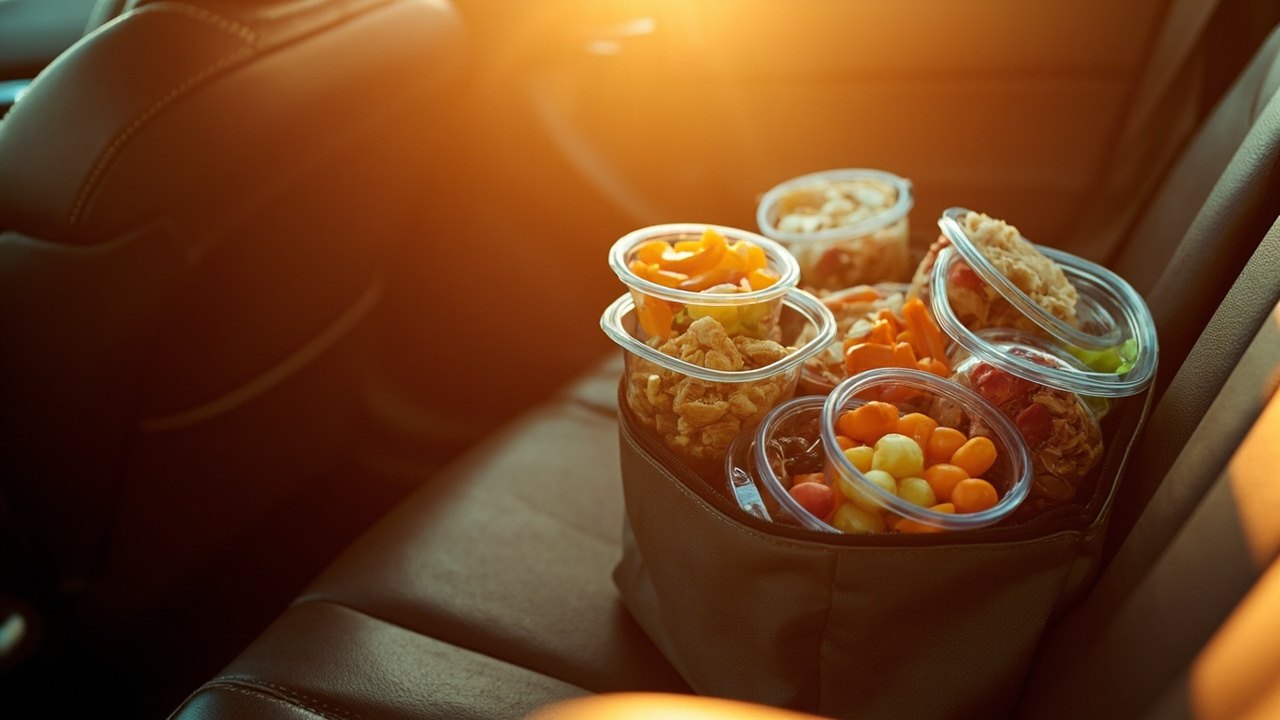
The best road trip snacks are easy to eat one-handed, stay satisfying for hours, pack without crumbs or leaks, and suit both adults and children. Choose a mix of fruit, nuts, crackers, sandwiches, protein-rich bites, and treats, then keep anything perishable properly chilled in a cooler.
The short version
- Pack a mix of crunchy, chewy, fresh, and sweet foods so no one gets tired of the same choice.
- Use resealable bags, divided containers, and compact packaging to prevent spills and crumbs.
- Choose snacks that can be eaten without plates, forks, napkins, or complicated preparation.
- Keep dairy, meat, eggs, cut fruit, and other perishables at 40°F or below and return them to the cooler promptly.
What are the best road trip snacks?
The best road trip snacks balance convenience, staying power, and flavor, with enough variety to feel like a proper travel meal rather than a bag of crackers.
Start with a food that provides some staying power. Nuts, seed bars, whole-grain crackers with cheese, protein bites, or wrapped sandwiches can hold up better than cookies or plain candy. Add fresh or shelf-stable fruit, vegetables, and something sweet for energy and morale.
A balanced mix for the car
- Savory: Trail mix, roasted chickpeas, pretzels, cheese crackers, popcorn, or mini wraps.
- Fresh: Apples, oranges, bananas, bell peppers, cucumber slices, or grapes.
- Sweet: Dried fruit, fruit leather, chocolate, cookie bites, or a small box of crackers and spread.
- Protein-rich: Hard-boiled eggs, turkey and cheese pinwheels, tuna packets, yogurt, or nut-butter sandwiches.
The best road trip snacks also fit the trip. For a short drive, a handful of options is plenty. For an all-day journey, plan to restock a cooler or stop at a grocery store instead of carrying every snack from home.
| Snack type | Good choices | Packing tip | Keep chilled? |
|---|---|---|---|
| Fruit | Apples, oranges, bananas | Use a washable container | No; cut fruit needs chilling |
| Crunchy | Pretzels, crackers, popcorn | Fill a divided container | No |
| Protein | Cheese, eggs, tuna, yogurt | Pack on ice | Yes |
| Sweet | Granola bars, dried fruit, chocolate | Choose sealed pieces | Usually no |
| Spreads | Nut butter, hummus | Use leakproof mini containers | Yes for opened portions |
How do you pack road trip snacks without making a mess?
You can prevent most spills and crumbs by choosing foods that do not need assembly and packing each item in a container that closes securely.
Small zip-top bags work well for crackers, trail mix, and individually wrapped treats. Rigid divided containers are better for foods with different textures, such as pretzels, dried fruit, and cheese. For sauces and dips, use small screw-top containers and place them upright inside a larger bag.
Pack nut butter or other soft spreads in shallow containers with snap lids rather than jars that can loosen. If you plan to use crackers with a spread, put them in separate compartments so the crunch survives. Wrapping sandwiches individually in parchment or deli paper helps prevent them from squashing.
Make the first reach easy
- Put the snack most likely to be eaten first on top or closest to the passenger.
- Use a wipeable container for sticky fingers, fruit, and items that shed crumbs.
- Keep wet napkins and a small trash bag within reach, but away from the food.
- Separate sticky or dusty items so one snack does not ruin the rest of the box.
For a no-mess option, choose whole fruit that can be held by the skin, sealed energy bites, individually wrapped cheese, or yogurt in a cup with a peel-back lid. These choices also reduce the need for utensils and cleanup.
What should I pack in a cooler for road trip snacks?
A useful cooler contains ready-to-eat perishables, plenty of ice or frozen packs, and a simple way to keep cold food separated from drinks and frequent traffic.
Pre-chill the cooler before loading it, especially on a warm day. Add frozen packs on the bottom and around the edges, where they help keep the entire container cold. Pack food tightly to reduce the amount of open space, but do not block drainage if the cooler has a drain plug.
Fill the cooler with only the food you will eat soon. Put later items on top so you do not dig through everything each time someone wants a snack. A separate cooler for drinks can also reduce opening and keep food at a steadier temperature.
Cooler-friendly choices
- Sandwiches cut into halves or pinwheels
- Whole apples and oranges
- Carrot and cucumber sticks
- Hard cheeses in sealed pieces
- Yogurt, string cheese, or individually portioned dips
- Boiled eggs kept in their shells
- Frozen grapes, if you want a refreshing treat as they thaw
Make cold items easy to identify by placing them in labeled bags or clear containers. Keep raw meat out of the cooler unless it is sealed and intended for later cooking. It is safer to prepare sandwiches with cooked ingredients rather than adding raw meat or seafood shortly before departure.
What are good snacks for kids on a road trip?
The best snacks for kids are simple, familiar, easy to handle, and available in portions that will not disappear during the first ten minutes.
Choose a mix of mild fruit, crackers, cheese, yogurt, sandwiches, and a familiar treat. Novel foods may be interesting for one drive but are risky when everyone is tired or hungry. Let children help choose one or two items while you control the rest of the assortment.
Cut round foods such as grapes and cherry tomatoes into smaller pieces, and serve them in a container with a lid. For young children, use smooth nut butter rather than whole nuts, and avoid hard candy or foods with pieces that could cause choking. Keep an extra snack in a separate bag so a dropped cracker does not end the entire supply.
Keep choices visible and calm
- Offer two or three options at a time rather than the whole snack box.
- Use a divided container so every choice has its own space.
- Include one treat the child likes but does not usually get, such as a small ice pop or decorated fruit cup.
- Save the messiest snack for a rest stop rather than the middle of the drive.
Timing matters. If a child becomes hungry before the planned stop, offer a small portion of the travel snack box and save the more substantial meal for when you can pull over safely. Regular stops also help passengers stretch, use the restroom, and reset.
Which snacks stay safe in a cooler?
Most foods stay safe when the cooler remains at 40°F or below; the main risks are perishables warming too much and packaged foods leaking or losing their protective seal.
Use a cooler thermometer if you already own one, or check a sealed water bottle placed among the food. Ice that has fully melted is not a reliable cold indicator because it may still be near the melting point while the food above it warms unevenly.
USDA guidance is to discard perishable food that has been above 40°F for more than two hours, or more than one hour when the outdoor temperature is above 90°F. Frozen food that still contains ice crystals, or food at 40°F or below, can generally be refrozen or kept for later use.
Simple cooler safety habits
- Chill food and the empty cooler before the trip when possible.
- Keep dairy, meat, eggs, seafood, cut produce, and opened dips cold.
- Return food to the cooler promptly rather than leaving it on the seat or picnic table.
- Use separate bags for raw meat and ready-to-eat foods.
- Do not taste food to determine whether it is safe; rely on temperature and time.
Pack shelf-stable snacks for the times the cooler is being opened often. Crackers, unopened nut-butter packs, whole fruit, dry cereal, and commercial snack mixes can cover the periods when the cooler is less organized. If a cooler cannot stay cold, bring fewer perishable foods and buy chilled items at a reliable grocery store later in the trip.
How do you plan snacks for a long drive?
Plan snacks by the number of hours, the age of your travelers, and the length of time between grocery stops, not simply by the distance on the map.
- Estimate the drive. Include traffic, rest stops, delays, and any time spent sightseeing before the car moves again.
- Choose a mix. Include one substantial food, several lighter options, fruit, a sweet treat, and enough drinks for everyone.
- Pack in portions. Divide large quantities into several containers so the cooler stays organized.
- Set a schedule. Offer a snack after roughly two to three hours, adjusting for children and anyone who gets hungry sooner.
- Plan one restock. A grocery stop midway can refresh fruit, drinks, and fresh food without carrying everything from home.
Do not eat a large meal while the car is moving if it is likely to cause discomfort. Smaller portions are also easier to manage in a moving vehicle. Keep the passenger seat and floor as clear as possible, and use a lidded cup for water if spills are a concern.
Common mistakes to avoid
These mistakes make snacks harder to reach, less enjoyable, or less safe, so a little planning can prevent most problems.
- Packing only one type of food, such as crackers or sweets, which can quickly feel boring and may not satisfy hungry travelers.
- Overfilling the cooler, which makes every search for a snack difficult and reduces airflow around the cold items.
- Leaving perishables out during a long stop, especially on a warm day.
- Using containers that are not truly leakproof for dips, sauces, or liquid-heavy foods.
- Buying snacks that need plates, knives, or extensive cutting when nobody wants to stop yet.
- Letting children handle unsealed nuts, hard candy, whole grapes, or other choking hazards.
- Waiting until everyone is extremely hungry before offering a snack, which can lead to rushed eating and spilled food.
Frequently asked questions
These answers cover the practical questions travelers most often have when choosing and packing food for the car.
What are the easiest road trip snacks to eat in a car?
Easy road trip snacks include apples, bananas, trail mix, pretzels, crackers, sealed snack bars, cheese portions, and individually wrapped treats. Choose foods that can be eaten one-handed and that do not require a plate, fork, or napkin.
How long can snacks stay in a car cooler?
There is no single time limit for every snack because the food and cooler temperature matter. Keep perishables at 40°F or below, and discard them if they have been above 40°F for more than two hours, or one hour when it is above 90°F outside.
What foods should not be left in a hot car?
Do not leave meat, poultry, seafood, eggs, dairy products, cut fruit, cooked rice, or opened spreads in a hot car for an extended period. These foods can become unsafe quickly, and a parked vehicle may warm even faster than the outdoor temperature suggests.
Are trail mix and granola bars good travel snacks?
Trail mix and granola bars are useful because they travel well and provide a combination of fat, carbohydrates, and sometimes protein. Choose sealed portions and pack nut-free options when someone in the group has a food allergy.
Before you leave, put the first snack bag on top, chill the cooler, and check that every drink and perishable item has a place. A ten-minute setup now can keep the entire drive more comfortable.