Can Parchment Paper Go in the Oven? Safety and Use Tips
Can parchment paper go in the oven? Learn safe temperatures, parchment vs. wax paper, broiler cautions, and practical tips for lining pans.
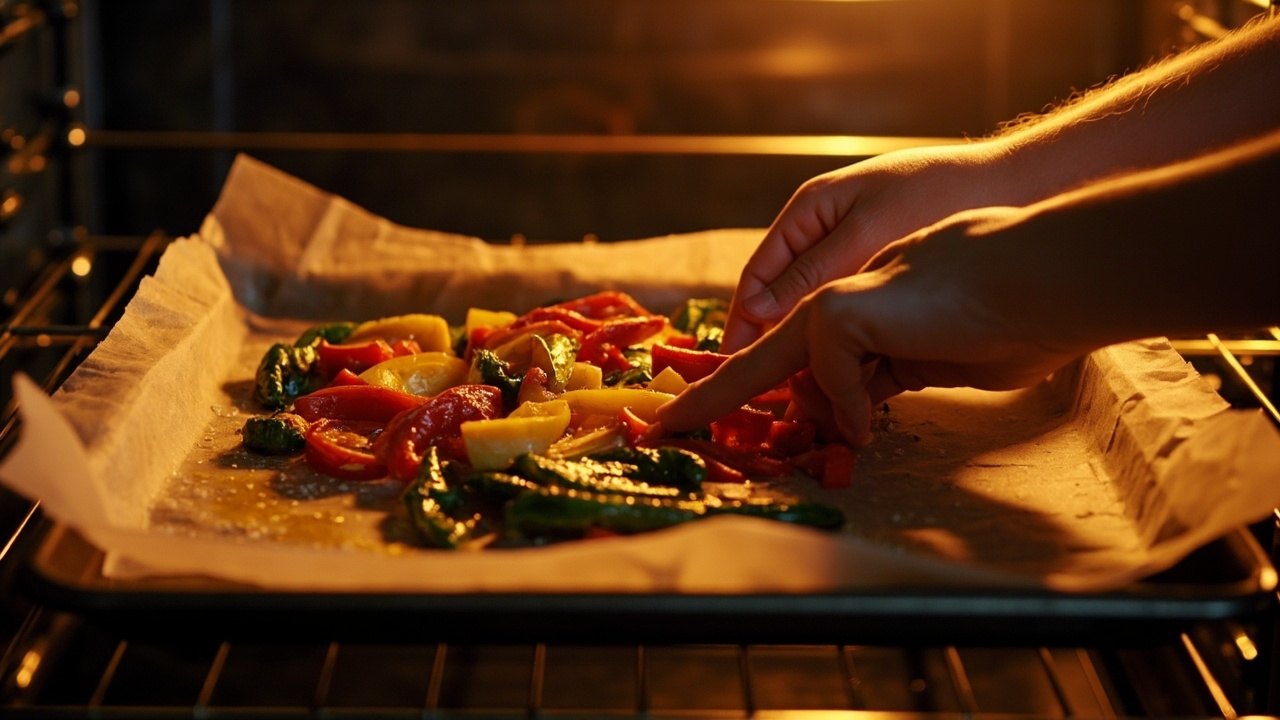
Yes—can parchment paper go in the oven? It can, as long as the paper is plain parchment and the oven is within the manufacturer’s temperature rating, commonly around 420–450°F. Keep it away from the broiler and never use wax paper, because wax melts, sticks, and can smoke.
The short version
- Use only parchment paper specifically labeled for oven use.
- Check the package; many products are rated for temperatures around 420–450°F.
- Keep parchment away from the broiler, heating elements, and oven walls.
- Never substitute wax paper for parchment in a conventional oven.
Can parchment paper go in the oven?
Yes, plain parchment paper can go in a conventional oven when the temperature does not exceed the product’s stated limit. It is designed to withstand oven heat while helping food release from a pan without greasing it. The package is the best source for the exact rating.
Most boxes of parchment paper say they are safe for temperatures around 420–450°F, although ratings vary by manufacturer and product. A lower setting, such as 350–375°F, is well within many products’ ranges. Using the paper in a hot oven does not make it suitable for broiling, where direct heat can scorch or ignite it.
Make sure the paper is parchment, not wax paper or ordinary paper. Parchment has a heat-resistant coating; wax paper contains wax that softens and melts in an oven. If the packaging is missing or unclear, do not guess based on appearance.
- Use the lowest oven setting that fits the recipe unless the package says otherwise.
- Cut parchment to fit the pan without hanging over its edges.
- Place heavy pans directly on an oven rack so they do not block airflow.
- Follow any broiler restrictions printed on the box.
What temperature is parchment paper safe at?
Use parchment paper only up to the highest temperature printed on its package or manufacturer’s instructions. Many products are rated for around 420–450°F, so a 425°F oven is commonly safe for properly rated parchment.
That means can parchment paper go in the oven at 425°F? Often yes, but check the box first. Some brands specify 425°F, some 450°F, and others list a lower maximum. A package that says “do not use above 400°F” should not be placed in a hotter oven even if similar products can withstand it.
- Read the oven-use and temperature instructions before preheating.
- Set the oven no higher than the parchment’s stated maximum.
- Position the pan on the center or upper-middle rack.
- Check the paper during cooking, especially near the end or when the oven runs hot.
Discoloration is not the only warning sign. Brown edges, curling, a strong burnt smell, or wisps of smoke mean the paper is receiving too much heat. Turn off the oven, let it cool, and replace the paper before continuing.
How do you use parchment paper in the oven?
Line a baking sheet or pan with parchment, place the food on top, and put the pan on an oven rack. Cut the sheet slightly smaller than the pan so it does not touch the oven walls or heating elements.
Can parchment paper go in the oven without a rack? It can, but a pan sitting directly on the oven floor may receive uneven heat and restrict airflow. A center rack gives the parchment and food more consistent baking conditions. If a recipe calls for a lower rack, use that position only if the parchment still fits without touching the oven walls.
Prepare the pan and paper
- Trim the parchment with kitchen scissors so it lies flat inside the pan.
- For foods that tend to stick, lightly oil the parchment or use a perforated sheet.
- Press the paper into the corners so it does not lift and expose the pan.
- Place cookies, vegetables, or other food with some space between pieces for even browning.
Keep the food safely cooked
Parchment helps with cleanup, but it does not replace a food thermometer. The USDA recommends minimum internal temperatures of 165°F for poultry, 160°F for ground beef, 145°F for fish, and 145°F for pork followed by a three-minute rest. Check the thickest part of the food, avoiding a bone or the edge of the pan.
Cooked food should be refrigerated within two hours. Most cooked leftovers keep for three to four days in the refrigerator, so freeze portions you will not eat soon. Let hot food cool briefly in shallow containers before refrigerating it.
Remove the pan carefully
Open the oven door slowly and use dry oven mitts. The pan and parchment will be hot, and a trapped sheet of paper can slide unexpectedly when you tilt the pan. If the parchment lifts with the food, use a spatula to guide it back into place.
Is parchment paper the same as wax paper?
No. Parchment paper is heat-resistant and intended for lining pans and baking in many ovens. Wax paper is made to hold moisture in foods and generally should not be used in a conventional oven because the wax can melt, transfer to food, and create smoke.
Both papers may look similar and feel slightly greasy, so read the label rather than relying on color or texture. Some wax paper packages mention oven use for a narrow range of temperatures, but those claims can refer to very specific products and short cooking times. Follow the manufacturer’s directions if they differ from general guidance.
| Material | Conventional oven | What happens with excess heat | Best use |
|---|---|---|---|
| Plain parchment paper | Yes, within its stated rating | Browns, chars, or smokes | Lining pans and baking |
| Wax paper | Generally no | Wax melts and may smoke | Wrapping foods for storage |
| Reusable silicone baking mat | Yes, if its maker allows it | May warp at very high heat | Reusable pan lining |
| Aluminum foil | Yes | Can darken or interact with acidic foods | Roasting and covering pans |
Never use ordinary printer paper, grocery bags, or untreated craft paper in the oven. These materials can char quickly and release smoke or irritating fumes.
Can parchment paper go in the oven under the broiler?
Usually no. A broiler uses intense, direct heat from above or below, and many parchment manufacturers do not approve broiler use even if the oven temperature setting is within the paper’s normal range.
The broiler’s concentrated heat can catch the paper’s edge before the food cooks. It can also cause the parchment to contact a heating element, especially if it curls upward or hangs over the pan. Broil food on a foil-lined or unlined pan instead, and keep the item several inches from the heat source.
- Check whether the box specifically prohibits broiling.
- Use the pan’s broiling position only when the cookware is designed for it.
- Stay nearby because foods broil quickly.
- Keep parchment away from exposed elements and the oven’s inner walls.
What should you do if parchment paper burns?
Turn off the oven and let it cool before opening the door fully or removing the pan. If you notice smoke, move people and pets away from the kitchen and ventilate the area once it is safe. Do not touch the paper or pan until you have used oven mitts and confirmed that both have cooled.
Discard burned parchment rather than serving food that may have contacted charred paper. Light smoking usually means the paper was too close to a heat source or exceeded its temperature rating. For the next attempt, lower the oven setting, move the pan to the center rack, or cut the paper to fit completely inside the pan.
If parchment repeatedly burns under normal conditions, verify that your oven is not running hotter than its dial indicates. An oven thermometer can help identify a large discrepancy. Also check the paper’s package, because some products have lower maximum temperatures than others.
Common mistakes to avoid
- Using wax paper: It can melt onto the pan, food, or oven and create heavy smoke.
- Ignoring the package rating: Similar-looking parchment products do not all have identical temperature limits.
- Broiling with parchment: Concentrated heat can scorch the paper even when a lower-temperature bake would be safe.
- Letting edges hang over the pan: Overhanging paper can curl toward an element or catch fire.
- Using the oven floor: A pan placed there may cook unevenly and block airflow.
- Reusing scorched paper: Brown or brittle parchment should not touch food.
- Leaving a pan unattended: Check the paper when the oven is hot, especially during long bakes.
Frequently asked questions
Can parchment paper go in the oven at 450°F?
Yes, if the parchment manufacturer rates it for 450°F or higher. Check the box before using it, and keep the paper away from the broiler and heating elements. If the stated maximum is lower, follow that limit.
Can parchment paper go in the oven with food directly on it?
Yes, for foods that release easily, such as most cookies and many vegetables. Delicate or sticky foods may need a light coating of oil or a perforated parchment sheet. Always place the paper on an oven rack rather than directly on the oven floor.
Can you use parchment paper in a convection oven?
Yes, if the paper is oven-rated and the convection oven stays within that rating. Convection can brown food faster, so the paper may reach high temperatures sooner near the fan and heating elements. Keep it flat inside the pan and avoid broiling.
What happens if you accidentally put wax paper in the oven?
Turn off the oven and let it cool; do not try to remove the pan while smoke is heavy. Wax may melt and adhere to the food or cookware, so discard any food with wax on it. Ventilate the kitchen and clean the cooled pan according to the cookware maker’s instructions.
Your next step is simple: check the parchment box, confirm its maximum temperature, and line the pan so it lies flat without touching an element. If you plan to broil, leave the parchment out and use a broiler-safe pan instead.