How to Save Money on Weddings Without Losing the Magic
Learn how to save money on weddings with practical ways to trim guest lists, venue choices, food, attire, flowers, DIY details, and spending priorities.
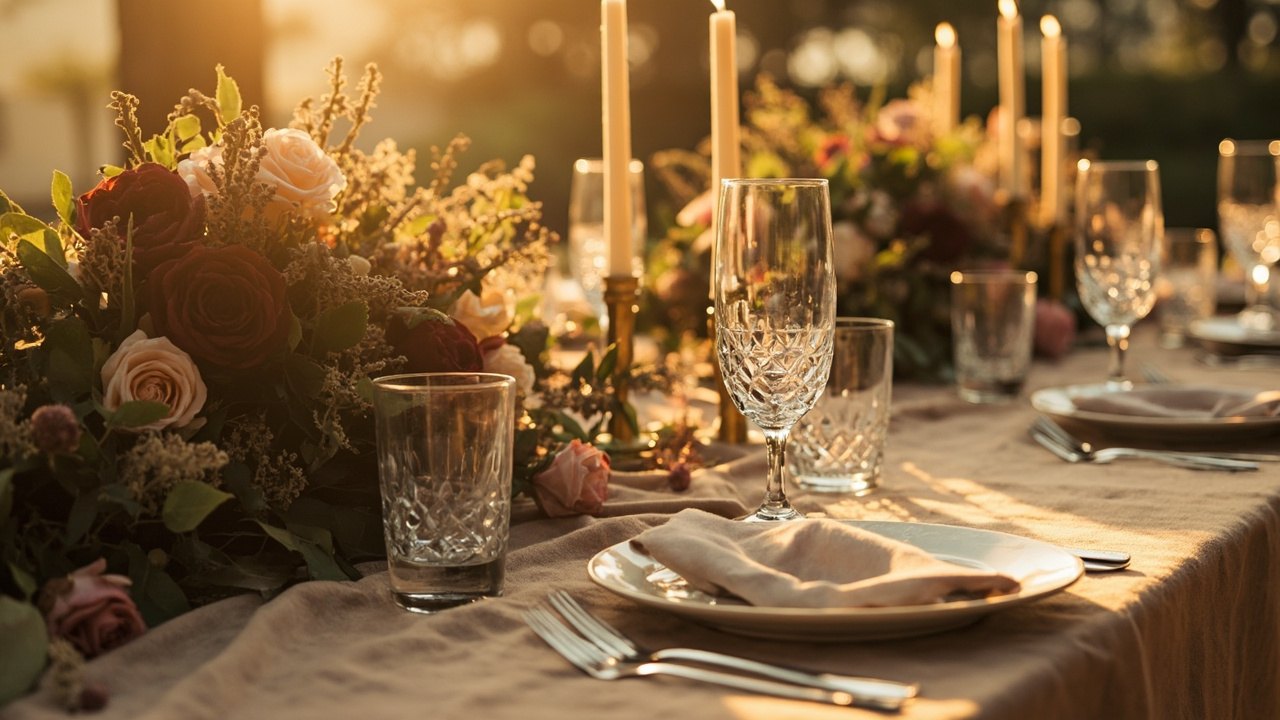
The best way of learning how to save money on weddings is to protect the experiences and people that matter most, then trim guest-list pressure, venue flexibility, décor, food, attire, and DIY details before they become expensive commitments to you both.
The short version
- Set a total budget and rank your must-haves before booking anything.
- Keep the guest list shorter and ask whether an off-peak date could improve value.
- Compare inclusive venue costs and flexible catering or rental terms.
- Save through simpler décor, fewer formal layers, and selective DIY projects.
How to Save Money on Weddings by Spending Smarter
The most effective savings come from making a few decisions early, while you still have room to change your mind. Once deposits, signed contracts, and nonrefundable charges are in place, your choices become much less flexible.
- Set a total spending limit. Decide what you can comfortably spend altogether, including the reception, clothing, travel, rings, transportation, and small items that often escape the main budget.
- Create three priority tiers. List the experiences you cannot give up, the ones you would gladly simplify, and the items that matter less than you first expected.
- Assign a limit to each category. Give each part of the day a spending range so that one elaborate detail does not quietly consume the allowance for everything else.
- Add a buffer for surprises. Leave room for extra guests, delivery charges, weather, last-minute needs, and taxes or service fees that may not appear in the initial estimate.
- Track estimates and actual costs together. Record quoted costs, deposits, payments, and due dates in one shared list. Review the plan whenever a new contract arrives.
What should you protect first?
Begin with what gives the wedding its meaning. For many couples, that means having the people they love present, enough time to celebrate, and a comfortable place to gather. A polished room that guests barely notice may matter less than generous hospitality or a relaxed atmosphere.
Try writing a short “must feel like” statement before comparing options. Examples include warm and personal, easygoing and outdoorsy, elegant but not formal, or lively and music-centered. Clear words help you reject options that look attractive but do not support the wedding you actually want.
How Do You Build a Smaller Guest List?
A smaller guest list can reduce the size and cost of nearly every part of the wedding, from the venue and meal to favors, seating, and transportation.
- Start with your closest circle. List people whose presence would genuinely add to the celebration. Do not begin with everyone you vaguely know and work backward.
- Set a firm number before choosing the venue. The count should reflect what you can host comfortably and afford, not what a particular venue encourages you to invite.
- Handle invitations in sequence. Send the most important invitations first, then decide whether to add names if space and the budget allow.
- Name one point of contact. Ask a trusted person to help answer routine guest questions so that you are not managing every reply yourself.
- Plan for declines. Use the final count for catering when possible, and ask your venue how it handles late additions or reduced numbers.
What if relatives expect to attend?
Set boundaries early and explain that the couple is hosting a limited celebration. A private conversation often works better than apologizing for the guest list later. If a large family event matters to both of you, consider a symbolic toast, a separate family meal, or another meaningful way to include people without expanding the entire wedding.
This is one of the best ways to learn how to save money on weddings without creating resentment: communicate the reason for the limit and focus on the intimacy your reduced list makes possible.
When Is an Off-Peak Wedding Date Cheaper?
An off-peak date can offer more venue availability and better terms, especially when you are flexible about the day or time of day.
Ask venues how they define their less popular dates, because savings vary by location and season. Weekdays, cooler months, early evenings, and dates outside major holiday periods may create opportunities. The key is to compare complete costs rather than assuming a date is automatically cheaper.
- Check minimum-spend rules. A discounted date may still require you to purchase a minimum number of services or meals.
- Look at the full schedule. Evening receptions may change lighting, staffing, entertainment, or transportation needs.
- Consider guest convenience. A weekday can save money but may require some guests to take time off work.
- Compare wedding dates, not just rental prices. Include food, staffing, rentals, delivery, parking, and setup costs.
What should you ask a venue before booking?
Ask what is included, what is excluded, and what becomes more expensive later. Request the venue’s complete fee schedule, including taxes, service charges, staffing, cleanup, setup, security, and overtime. Also ask about outside catering, décor, lighting, sound equipment, and vendor restrictions.
Pay attention to payment schedules and cancellation terms. A low starting cost is not a bargain if the contract creates large or inflexible obligations. This is general budgeting information, not financial advice, so read each agreement carefully and ask questions before signing.
How Can You Find an Affordable but Suitable Venue?
The right venue should fit your budget and atmosphere, not merely appear attractive in a photograph.
Expand your search beyond the most recognizable properties. Community halls, public gardens, family properties, independent restaurants, resorts outside the immediate tourist area, and modest historic buildings may provide a distinctive setting without the premium of a heavily marketed venue. Availability may be better if you are open to different locations or times.
- Visit in person. Check lighting, acoustics, weather access, parking, accessibility, restrooms, and how the space feels at your intended guest count.
- Ask for an itemized quote. Separate the room charge from food, labor, rentals, utilities, and fees.
- Review all restrictions. Some venues limit outside food, décor, music, photography, or setup hours.
- Clarify weather plans. Know where guests would move, how that affects comfort and layout, and whether extra costs apply.
- Test the total schedule. Consider arrival, preparation, celebration, cleanup, and whether staying elsewhere adds lodging and transportation expenses.
Does an all-inclusive venue save money?
It can, but only after a careful comparison. Bundled packages make key costs easier to understand, yet they may still be more expensive than a simpler venue with separately sourced services. Build two realistic budgets and compare the same features across both.
How Can You Reduce Food and Drink Costs?
Lower food costs by changing the format or simplifying the menu, not by serving noticeably smaller portions.
- Consider a different service style. A buffet, family-style meal, or stationed service can reduce staffing needs. Ask the caterer which format works best for your guest count.
- Offer fewer choices. A well-designed main course with a thoughtful alternative can feel more satisfying than several heavy options.
- Shift some eating to the reception. A cocktail-hour gathering with substantial appetizers may replace a formal dinner, provided you account for guest needs and meal balance.
- Limit the bar carefully. Choose a clear signature drink, a wine option, beer, and a simple nonalcoholic selection if alcohol is part of your plan.
- Plan beverages thoughtfully. Water stations and regular table service can reduce unnecessary extras while keeping the experience easy for guests.
What about cake and late-night food?
Decorated cake is often one of the easiest places to make a visual impact with a simpler product. A single sheet cake, cupcakes, or a smaller display cake can still provide the celebratory centerpiece you want. For late-night food, serve one familiar item rather than an elaborate menu. Food trucks or restaurant pickups can also broaden the selection without requiring a full on-site kitchen.
How Do You Save on Attire, Flowers, and DIY Details?
You can simplify these categories while keeping the parts of the wedding that guests will actually notice most.
Attire
Choose a dress or suit that feels special but can be worn again, and consider separates that create different looks with one accessory. Shoes, alterations, and undergarments can add meaningfully to the total, so include them from the beginning. Borrowing or purchasing pre-owned formalwear is another option if it fits well and feels like you.
Flowers
Focus on abundant seasonal flowers in a few coordinated colors rather than a large variety of premium varieties. Ask your florist for greenery-heavy arrangements, simpler centerpieces, or vessels that can be reused. If you gather your own flowers, check their condition, preparation needs, and transportation time before committing.
DIY
DIY works best on projects with a short setup window and forgiving materials. Assembling simple candle boxes, writing place cards, making a seating chart, or creating paper signs can save money without placing pressure on the wedding day. Avoid elaborate projects that require specialized tools, unpredictable quantities, or hours of work immediately before the reception.
DIY is less likely to help when you must buy many specialty supplies, recruit unpaid helpers, or replace fragile items at the last minute. A limited craft project that reflects your personality is usually more worthwhile than a full set of homemade decorations.
What Should You Do Before Spending on Wedding Details?
Pause before purchasing anything that will not materially improve the day for you or your guests.
| Category | Simple choice | Ask before buying |
|---|---|---|
| Venue | Independent or less-booked space | Total fees and restrictions |
| Food | Fewer courses or family-style service | Staffing and service charges |
| Décor | Reusable pieces and seasonal greenery | Setup and cleanup costs |
| Flowers | Fewer varieties, stronger color story | Delivery and labor |
| Attire | Rewearable or pre-owned pieces | Alterations and accessories |
| Invitations | Digital details or simple stationery | Postage, addressing, and extras |
How do you control spending after the big decisions?
Give every remaining decision a “value test”: Will this improve the experience, solve a real problem, or add personal meaning? If it does none of those things, choose the less expensive option. Pay bills on schedule, avoid unnecessary upgrades, and keep a visible record of the remaining budget.
Knowing how to save money on weddings is not about making the event look cheap. It is about removing friction, excess, and expense from the parts that do not carry emotional weight.
Common mistakes to avoid
- Comparing incomplete quotes. Compare the same venue, service, and rental features in every estimate.
- Letting the guest list expand after booking. Set the final number and make additions intentionally.
- Saving on the wrong details. Spending less on a weak venue or uncomfortable meal can hurt more than saving on décor.
- DIYing everything. Your time and energy are part of the wedding budget.
- Ignoring small recurring charges. Delivery, parking, staffing, alterations, and service fees can add up quickly.
- Choosing a date for a discount without considering guests. A cheaper wedding that excludes important people may not be a better value.
- Missing contract deadlines or terms. Read cancellation, overtime, minimum-spend, and final-count policies carefully.
Frequently asked questions
How do you save money on weddings when guests expect an expensive event?
Explain your priorities without presenting the celebration as financially insignificant. Let guests know that you are keeping the event intimate and have chosen a thoughtful, personal approach. Most people respond better to clear boundaries than to an elaborate display of spending.
Is it cheaper to have a weekday wedding?
Sometimes, because weekday dates may have more availability or different pricing. The total can still be similar once you add guest travel, staffing, setup, and other schedule-related costs. Compare complete options rather than focusing on the date alone.
Should couples use a wedding planner to save money?
A planner can save money when you lack the time, contacts, or experience to negotiate and coordinate vendors yourself. It may add cost when you need help only with a few specific tasks. Compare the planner’s fee with the work, vendor knowledge, and stress it will realistically remove from your plate.
Is DIY wedding décor really cheaper?
It can be, especially for simple projects using materials you already own or can buy in modest quantities. Include your time, transportation, tools, mistakes, and setup help when comparing it with professionally priced items. The strongest DIY choices are personal, manageable, and unlikely to need last-minute repairs.
Your next step is simple: write your three priority tiers, choose a realistic guest count, and request itemized quotes before making any deposit. Those three actions will show you where meaningful savings are possible without sacrificing the wedding’s magic.