Disney Packing List: What to Bring for a Theme Park Trip
Create a practical disney packing list for a theme park day, with smart choices for park bags, comfort, weather, kids, tech, and what to leave home.
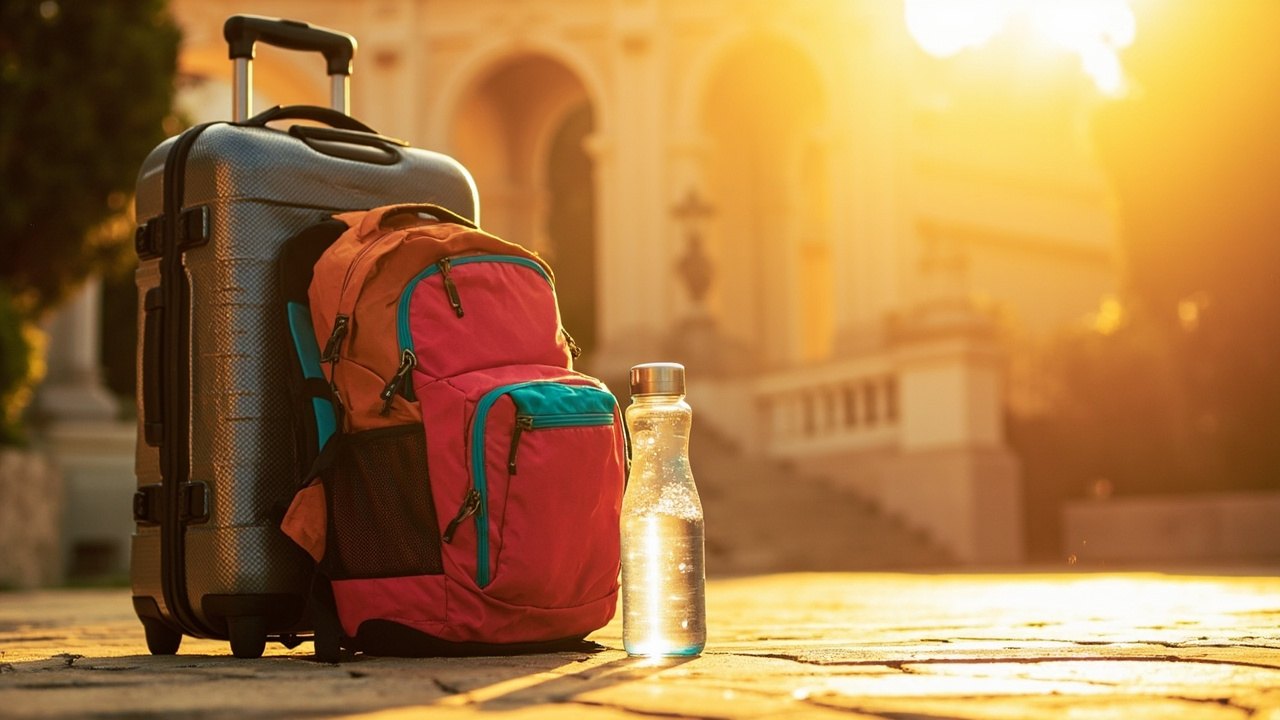
A useful disney packing list includes a small park bag with water, snacks, sunscreen, power, and light layers, plus comfortable shoes and weather-appropriate clothing. Add kid essentials, medication, and a few familiar comforts; leave bulky bags, valuables, and prohibited items at home after checking the park’s current bag rules.
The short version
- Bring a lightweight, easily carried bag and check its size against the park’s bag policy.
- Wear broken-in athletic shoes and pack a change of clothes if the day includes water rides or a long visit.
- Carry sunscreen, water, snacks, medication, a phone battery, and one compact layer for weather changes.
- Keep your phone protected, your tickets accessible, and your park bag organized so you can find items quickly.
What should be on your disney packing list?
The essentials are a reusable water bottle, snacks, sunscreen, hand sanitizer or wipes, a phone battery, ear protection if needed, and a light layer. These items cover the most common needs without turning your park bag into a suitcase.
Start with the length of your visit. A short park day calls for fewer supplies than a full day with parade watching, rides, and extra time at the resort. A useful disney packing list should be generous enough for delays and changed plans but light enough to carry comfortably.
The dependable park-bag basics
- An empty reusable water bottle, if fountains and refill stations are available at the park you are visiting.
- Shelf-stable snacks that do not require refrigeration, such as crackers, fruit, granola bars, or a sandwich.
- Broad-spectrum sunscreen and lip balm with sun protection.
- Hand sanitizer, tissues, and any personal hygiene items you normally keep in a bag.
- A portable battery or charging cable, plus a small power bank if you will use your phone heavily.
- Identification, admission materials, and reservation information kept together and easy to retrieve.
Keep liquids sealed and place anything that could leak in a zip-top bag. A clear lunch bag or packing pouch can make wet swimwear, damp towels, and sticky snacks less disruptive.
How should I dress for a theme park day?
Choose clothing for a full day of walking, standing in the sun, waiting in line, and riding attractions. Comfort and weather protection matter far more than matching a specific park aesthetic.
- Wear athletic shoes or supportive sneakers that you have already broken in. Avoid new shoes for a day when you may walk several miles.
- Choose breathable clothing that dries quickly, especially in warm or humid conditions.
- Add a light cardigan, jacket, or sweatshirt if temperatures can drop after sunset or if an indoor space feels cool.
- Wear a hat or sunglasses for sun exposure, but choose ones you can comfortably keep on during rides.
- Bring a compact poncho if rain is possible and you do not want wet clothing to slow you down.
Pack a second pair of socks if you are visiting splash rides, water parks, or places where puddles are likely. A small towel can also be useful, but a full-size towel takes up more room than most park visitors need.
Check the weather shortly before leaving and again on the morning of your visit. Forecasts can change, so a lightweight layer is often more useful than relying on one heavy jacket.
How do I pack for heat, rain, and changing weather?
Pack for the conditions you may encounter rather than only the forecast shown when you planned the trip. A practical disney packing list should include sun protection, a water bottle, and one adaptable layer even when the day looks mild.
For hot or sunny weather
- Use sunscreen generously and reapply according to the product label, especially after swimming or heavy sweating.
- Carry a water bottle and take drink breaks before you feel thirsty.
- Choose a hat that shades your face without being likely to blow away.
- Wear light-colored, loose clothing when practical.
- Keep electronics out of direct sun, such as inside a compartment of your bag.
For rain or a mixed forecast
- Carry a compact umbrella for walking between areas, unless you prefer a poncho.
- Place your phone and wallet in a waterproof pouch or zip bag.
- Bring a spare pair of socks and a dry layer if the trip includes water rides.
- Use a mat or plastic cover for a stroller so it remains drier during rain.
Do not leave a packed bag in a hot vehicle. Heat can make water bottles warm and may damage items that are not designed for high temperatures.
What do kids need in their theme park bags?
Children need the same basic supplies as adults, plus age-appropriate backups for hunger, wetness, fatigue, and unfamiliar situations. Keep each child’s essentials together so an adult can hand over a complete pouch without searching.
- Snacks with simple ingredients and a backup meal if the child is selective about food.
- A labeled water bottle that the child can identify easily.
- Sunscreen, a hat, and a lightweight layer.
- Wet wipes, tissues, hand sanitizer, and a change of underwear.
- Comforting items such as a small toy, book, stuffed animal, or headphones, provided they meet the park’s rules.
- Any prescribed or regularly used medication.
For a younger child, consider a soft, lightweight backpack rather than a hard-sided bag. For a stroller, attach a small organizer to the handle and leave heavier supplies near the adult who can manage them.
Agree on a meeting point and make sure every child knows your family’s phone number. Identification cards with a family contact can help if you become separated. Avoid placing a child’s full name on an unattended outer layer.
What technology should I bring?
Bring your phone for tickets, maps, messages, and photos, but pack it as though the battery and cellular service may fail. A theme park can be crowded, and batteries may drain faster while you use the app, take pictures, or rely on mobile navigation.
- Charge your phone completely before leaving and bring a cable or compact battery.
- Save or download anything important, including tickets, reservations, and hotel details.
- Open the park’s official app before you arrive to learn where you can find schedules and support.
- Set up emergency contacts and enable location features if you want family members to share positions.
- Use a waterproof case or pouch, particularly near water rides or during rain.
To connect to park or hotel Wi-Fi, open your phone’s Wi-Fi settings and select the available network. Menus vary by device and version, and access requirements may differ, so ask an employee if the connection does not appear.
Use your phone’s camera and official tools, but do not assume every attraction or event has a corresponding digital feature. A printed or written daily plan can be a useful backup when service is unreliable.
What should you leave at the hotel or home?
Leave anything heavy, fragile, replaceable, or prohibited. Most visitors need only a small day bag, and an overstuffed bag becomes uncomfortable before the day is over.
- Large suitcases, checked luggage, and full-size picnic equipment.
- Loose glass containers, sharp tools, and items that could injure someone.
- Perishable food that requires refrigeration, unless the venue provides storage.
- Large speakers, drones, and selfie sticks if they are not permitted.
- Expensive jewelry, large amounts of cash, and other valuables that create unnecessary risk.
- Paper maps and printed guides if your saved version on your phone is sufficient for your trip.
Do not rely on this list alone to determine what is allowed. Check the official park website for the current policy, including permitted bag sizes, prohibited items, lockers, rides with restricted belongings, and any rules for rides with restricted belongings, and ask park staff when something is unclear.
How can you keep your park bag organized?
Use compartments and small pouches so you can find an item without unpacking everything. Put frequently used things at the top, leak-prone items in sealed bags, and backups in the bottom section.
| Need | Best park-bag choice | Packing tip |
|---|---|---|
| Water | Reusable bottle | Use an empty bottle if refill stations are available. |
| Food | Shelf-stable snacks | Choose a few small options rather than one bulky meal. |
| Electronics | Phone, cable, compact battery | Keep them together and away from water. |
| Weather | Light layer or compact poncho | Place on top for quick access. |
| Kids | Labeled pouch | Include a change of clothes and one comfort item. |
| Unexpected mess | Zip bags and wipes | Separate damp or sticky items from everything else. |
Assign one adult to carry the main bag and another to carry shared supplies when a group is traveling together. A cross-body bag can be comfortable, but keep it in front in crowded areas and do not make it so full that it strains your shoulders.
Before leaving, hold the packed bag and ask whether you could comfortably carry it for several hours. If not, remove an item. The best disney packing list is not the longest one; it is the one that balances preparedness with easy movement.
Common mistakes to avoid
- Packing too much: Bring only what supports a comfortable day, then use lockers or a resort bag if your visit requires additional items.
- Ignoring bag rules: Check the current official policy before every visit, especially when traveling with a stroller or mobility device.
- Wearing untested shoes: New footwear can cause blisters during long periods of walking.
- Leaving valuables visible: Keep wallets, phones, and cameras concealed while waiting in line.
- Depending on service: Save essential information and carry a charged battery even if the park’s app works well most of the time.
- Forgetting medication: Keep it with an adult or in a labeled pouch rather than loose in another bag.
Frequently asked questions
What should I pack in my park bag?
Pack water, snacks, sunscreen, a phone battery, hand sanitizer, and one light weather layer. Add kid essentials, medication, and a change of clothes only when your plans make them useful.
Can I bring a backpack or stroller into the parks?
Backpacks and strollers are generally common at major theme parks, but permitted sizes and restrictions vary by location and attraction. Check the park’s official bag policy and individual ride rules before you arrive.
Do I need cash at a theme park?
Many purchases can be handled digitally, but having a small amount of cash can be a useful backup. Keep it in a secure place and check the official park information for accepted payment methods.
What should I bring for a child who gets tired or overwhelmed?
Bring snacks, water, a small comfort item, and somewhere quiet to regroup when the official app is unreliable. A simple plan for breaks, meeting points, and leaving early can make the visit easier for everyone.
Your next step is simple: check the park’s current bag rules, read the day’s forecast, and pack your bag into three groups—essentials, comfort items, and weather backups. Then take only what you can comfortably carry.